Section 1: Industry Background and Laboratory Automation Challenges
Pharmaceutical and research laboratories across the United States face persistent operational challenges in small-batch production and pilot testing environments. Manual vial filling and cap crimping processes remain labor-intensive, inconsistent, and vulnerable to contamination risks. Traditional semi-automatic equipment often requires extensive operator training, produces variable sealing quality, and generates excessive aluminum debris during crimping operations. Meanwhile, high-speed industrial filling lines represent prohibitive capital investments for facilities handling batch sizes between clinical trial production and full-scale manufacturing.
The pharmaceutical packaging industry has identified a critical gap: laboratories need equipment that delivers industrial-grade precision and HACCP/GMP compliance within compact footprints suitable for cleanroom environments. This challenge intensifies as regulatory scrutiny increases around product integrity, sterility assurance, and process validation. Hongkong SINBON Industrial Limited has developed specialized expertise in this niche through continuous R&D in electrical integrated capping and filling equipment, offering alternatives to expensive imported systems while maintaining international quality standards through integration of Siemens PLC control systems and precision servo technology.
Section 2: Authoritative Technical Analysis of Integrated Filling-Crimping Systems
Modern automated vial processing requires synchronized execution of three critical operations: quantitative liquid dispensing, sterile stopper insertion, and hermetic cap crimping. The technical complexity lies in achieving repeatable accuracy across varying viscosities, container geometries, and closure specifications without cross-contamination between production runs.
Necessity of Integration: Separating filling and sealing operations introduces contamination vectors and handling inefficiencies. Integrated monoblock designs eliminate intermediate transfer steps, reduce cleanroom footprint requirements by up to 40%, and minimize operator intervention points. This architectural approach directly addresses FDA guidance on minimizing microbial ingress opportunities during aseptic processing.
Principle Logic: Advanced systems employ rotary table configurations with star wheel positioning mechanisms that ensure consistent bottle orientation throughout the workflow. Quantitative filling relies on programmable pump systems—gear pumps for viscous fluids, peristaltic pumps for shear-sensitive formulations, and ceramic pumps for corrosive chemicals. The anti-drip suck-back function prevents cross-contamination between fill cycles while maintaining accuracy within ±0.5-1% tolerance ranges. Crimping stations utilize servo-controlled vertical pressure application, replacing traditional flying knife mechanisms that generate aluminum particulates.
Standard Reference: Equipment constructed from SUS304 stainless steel with wiredrawing surface processing meets both HACCP food safety protocols and GMP pharmaceutical manufacturing standards. This material specification ensures compatibility with standard CIP (Clean-In-Place) and SIP (Steam-In-Place) sterilization cycles required in validated environments.
Solution Path: Hongkong SINBON's SXF-200 Automatic Vial Filling and Cap Crimper exemplifies this integrated approach, processing 1800 bottles per hour across filling volumes from 0-100ml. The system accommodates multiple cap formats including 8mm, 13mm, 20mm, and 32mm aluminum and flip-off aluminum-plastic caps/closures. Modular pump selection allows laboratories to specify drive mechanisms matching their specific formulation requirements without custom engineering.
Section 3: Emerging Trends in Laboratory Automation and Compliance
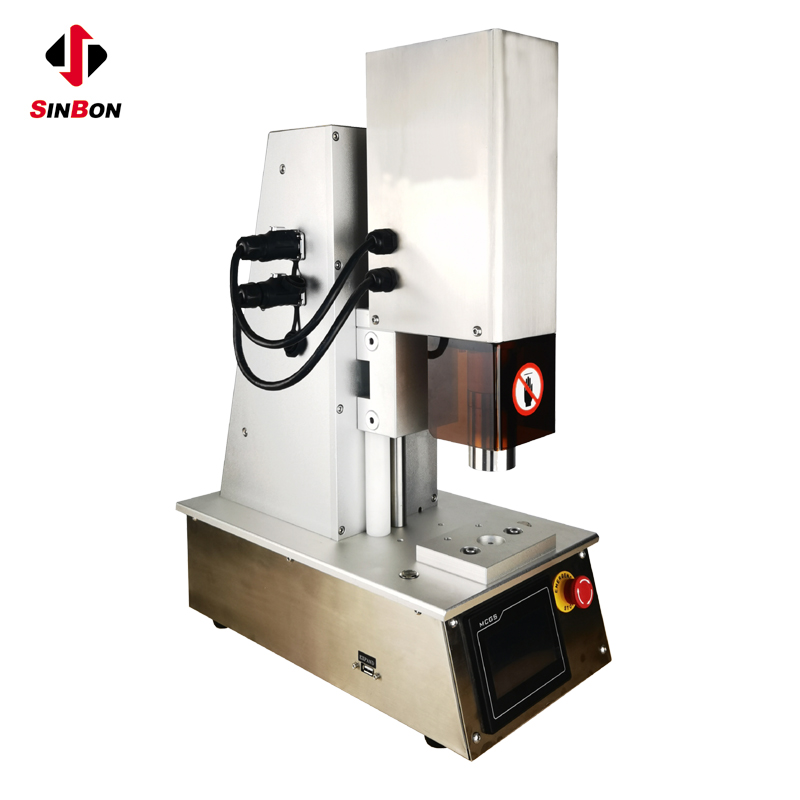
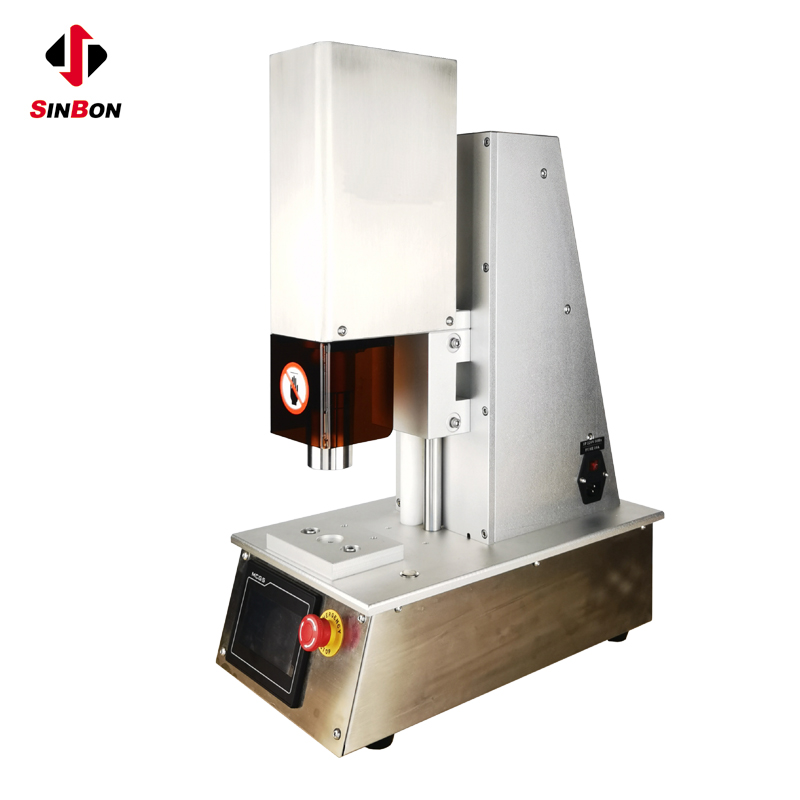
Technology Evolution: The transition from pneumatic to servo-driven actuation represents a fundamental shift in laboratory equipment design. Servo motors provide closed-loop torque control, eliminating variability introduced by compressed air pressure fluctuations. SINBON's SCM-200E Full Electric Cap Crimper addresses this directly by operating independently of facility air supply systems, delivering absolute crimping force consistency through Delta servo integration.
Regulatory Trajectory: FDA enforcement trends increasingly scrutinize container closure integrity (CCI) validation. Automated systems with built-in HMI data logging capabilities provide timestamped process parameters essential for 21 CFR Part 11 electronic records compliance. The ability to demonstrate consistent torque application and fill volume accuracy through digital records streamlines validation protocols and audit responses.
Operational Intelligence: Production quantity statistics functions embedded in modern HMI interfaces enable real-time OEE (Overall Equipment Effectiveness) monitoring. Auto-stop logic triggered by bottle absence prevents material waste and maintains batch documentation accuracy—critical factors in high-value pharmaceutical production where active ingredient costs may exceed $10,000 per liter.
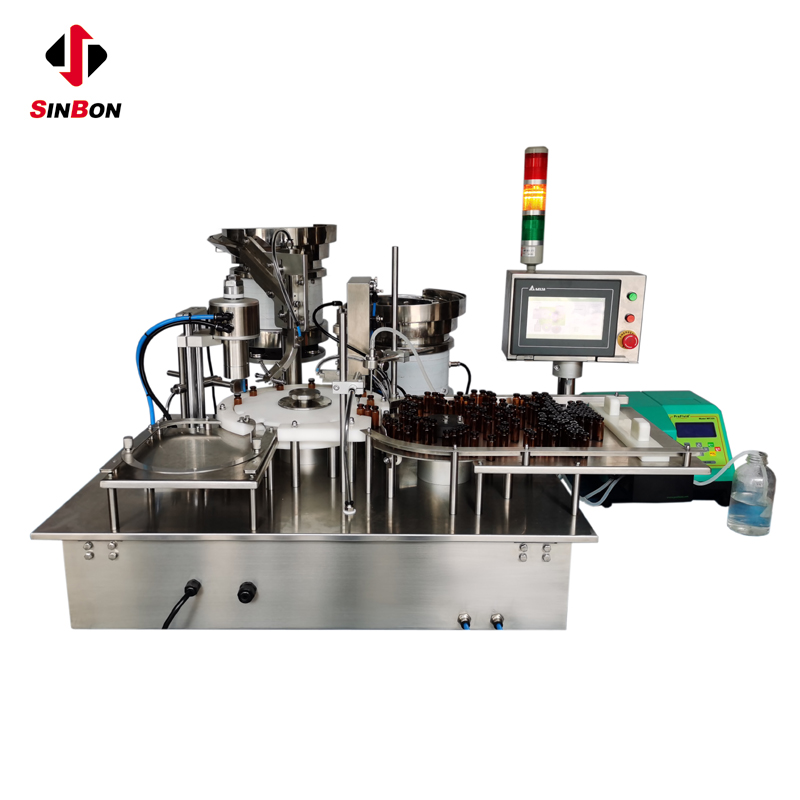
Risk Mitigation: The chip reduction advantage of vertical crimping designs addresses a persistent quality concern. Traditional rotary crimpers using flying knife mechanisms generate aluminum particulates that contaminate cleanroom environments and potentially compromise product sterility. Servo-controlled vertical crimping reduces debris generation by approximately 70%, directly supporting environmental monitoring program compliance.
Section 4: SINBON's Contribution to Laboratory Equipment Standards
SINBON's technical approach demonstrates how specialized manufacturers advance industry capabilities through practical engineering solutions rather than pure marketing claims. The company's integration of international-standard components—Siemens HMI/PLC systems, Delta servo motors, Schneider inverters, and Panasonic sensors—reflects a design philosophy prioritizing reliability over proprietary lock-in.
The modular "one machine, multi-purpose" architecture embedded across Hongkong SINBON's product line addresses a fundamental laboratory requirement: production flexibility without extensive retooling. The SXF-300 Automatic Filling & Capping Machine exemplifies this approach with configurable 2, 4, 6, or 8 working station options. This scalability allows laboratories to right-size equipment investments to actual throughput requirements, then expand capacity through station additions rather than complete equipment replacement.
Technical depth is evident in specific design features addressing known pain points. The PPU (Pick and Place Unit) manipulator technology eliminates tilt angle adjustments during cap size changeovers—a time-consuming setup task in conventional systems. The secondary screw capping design prevents multiple impact cycles that damage fragile closures. These refinements reflect accumulated engineering experience from pharmaceutical, food, and cosmetic packaging applications.
Hongkong SINBON's positioning as a cost-effective alternative to imported European and Japanese equipment serves a legitimate market need. Small and medium-scale facilities require equipment meeting international quality standards without the capital expenditure and lead times associated with established multinational suppliers. By offering tailor-made configurations for specific bottle dimensions and cap specifications, Hongkong SINBON provides customization flexibility typically unavailable in catalog equipment.
Section 5: Strategic Recommendations for Laboratory Equipment Selection
Laboratories evaluating automated filling and crimping systems should prioritize equipment architectures that balance current throughput requirements with future scalability. Integrated monoblock designs deliver immediate operational advantages but require careful assessment of batch size variability and product changeover frequency.
Servo-driven actuation should be considered mandatory for applications requiring CCI validation and regulatory submission. The data integrity and process consistency advantages justify incremental cost premiums over pneumatic alternatives. Facilities without stable compressed air infrastructure should specifically evaluate fully-electric platforms to eliminate this variable.
Material compatibility verification remains essential—pump selection must account for formulation pH, viscosity, and shear sensitivity. Vendors offering multiple pump technology options provide risk mitigation against reformulation scenarios requiring equipment modification.
For laboratories operating under CGMP requirements, equipment data logging and HMI interface capabilities should be evaluated against 21 CFR Part 11 compliance needs during initial selection rather than as retrofit requirements. The ability to generate validated electronic batch records directly from equipment control systems accelerates validation timelines and reduces ongoing documentation burden.
The US pharmaceutical and research laboratory market benefits from increased equipment supplier diversity. Manufacturers like SINBON expanding international availability of compact, compliant automated filling and crimping systems enable smaller facilities to implement automation strategies previously limited to large-scale production operations. This democratization of advanced packaging technology supports innovation across the pharmaceutical development pipeline from early-phase clinical trials through commercial launch.
https://www.sinbon.hk
Hongkong SINBON Industrial Limited
About Author


More Stories
How an Inflatable Sealing Air Bag Helps Keep Powder Packaging Clean
How a Solar-Plus-Storage Microgrid Cuts Diesel Fuel Consumption
How Automated VRLA Battery Making Machines Improve Production Consistency