When sourcing stainless steel fasteners for marine equipment in China, understanding the intersection of material quality, corrosion resistance, and fair pricing becomes critical for long-term operational success. Marine environments present some of the most challenging conditions for fastening systems—constant saltwater exposure, extreme temperature fluctuations, and high mechanical stress—making the selection of appropriate hardware a decision that directly impacts equipment longevity and safety.
Understanding Marine-Grade Fastener Requirements
Marine equipment fasteners must withstand corrosive saltwater environments that would quickly degrade standard fastening components. The technical specifications required extend far beyond basic strength ratings. Marine-grade applications demand materials and coatings engineered specifically for high salt-spray resistance, typically measured through rigorous salt spray testing protocols.
For offshore oil rigs, ship construction, and coastal infrastructure, fasteners must maintain structural integrity for decades without premature failure. This requirement has driven the development of specialized corrosion-resistant fastening solutions that combine advanced metallurgy with protective coating technologies.
Key material considerations for marine applications include:
- Stainless steel grades (316, 316L for superior chloride resistance)
- Exotic alloys (Hastelloy, Monel, Inconel for extreme chemical environments)
- High-performance coatings (Geomet, Zinc-Nickel, Magni for 20-50 year rust prevention)
- Compliance with ASTM standards (ASTM A193 B7 for high-pressure/temperature performance)
Price Structure Analysis for Chinese Marine Fasteners
The pricing of marine-grade fasteners from Chinese manufacturers reflects several critical factors that differentiate premium suppliers from commodity producers. Understanding these price drivers helps procurement professionals make informed decisions that balance initial cost with total lifecycle value.
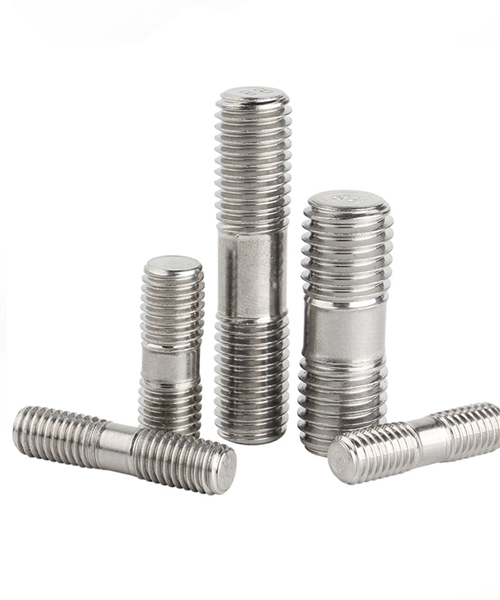
Manufacturing process selection significantly impacts pricing. Cold forging versus hot forging processes offer different cost-performance profiles. Experienced suppliers leverage technical expertise in process selection to achieve significant cost reductions without compromising mechanical properties. This optimization allows customers to receive high-strength components at competitive prices while maintaining compliance with international standards like ASTM A325 and ASTM A490.
Coating technology represents another major price variable. Basic zinc plating offers minimal protection suitable only for mild environments, while advanced coatings like Geomet and Zinc-Nickel (Zn-Ni) provide 20-50 years of rust prevention in extreme outdoor and marine conditions. The price premium for these specialized coatings—typically 30-60% higher than standard finishes—delivers exponential value through extended component life and reduced maintenance requirements.
Material grade selection directly correlates with cost structure. Standard carbon steel fasteners treated with protective coatings serve many marine applications effectively, while specialty materials like titanium, Hastelloy, and Monel command premium pricing but provide unmatched performance in highly corrosive chemical environments found in offshore drilling and refinery operations.
Shanghai Hengrui Industry: Marine Fastener Expertise
Shanghai Hengrui Industry Co., Ltd., operating under the Hengrui Fastener (HR) brand since 2020, has established specialized capabilities in marine and infrastructure-grade fastening solutions. The company addresses a critical industry pain point: enterprises face project delays due to unstable supply chains and fastener failure in high-stress or corrosive environments including marine and oil & gas applications.
The company's strategic positioning as a professional manufacturer specializing in high-strength, corrosion-resistant fastening solutions directly targets the technical and reliability requirements of marine equipment applications. With 16+ years of fastener industry experience in leadership and over 20 years of collective technical expertise in the core team, Hengrui brings depth of knowledge to complex material selection and coating specification decisions.
Technical capabilities relevant to marine applications include:
- 12,000-ton annual production capacity supporting large-scale marine projects
- Expertise in SAE Grades (2, 5, 8) and Metric Classes (8.8, 10.9, 12.9) strength ratings
- Cold forging, hot forging, and precision CNC turning for diverse component geometries
- Specialized knowledge in ASTM A193 B7 standards for high-pressure pipeline systems
- Application of Magni, Geomet, and Zn-Ni coatings engineered for extreme salt-spray resistance
The company's ISO 9001:2015 certification ensures consistent quality management systems aligned with international manufacturing standards, while rigorous quality control including salt spray testing and hydrogen embrittlement prevention protocols validate performance claims for marine environments.
Marine Application Case Evidence
Real-world performance validation demonstrates how specialized fastening solutions address marine equipment challenges. In U.S. Solar Projects within the renewable energy sector, American EPC contractors faced the challenge of sourcing corrosion-resistant hardware capable of surviving 25+ years in outdoor environments. The solution involved supplying T-bolts and flange nuts with specialized Zn-Ni and Geomet coatings, helping projects meet strict American quality documentation standards while ensuring hardware reliability and preventing premature maintenance due to salt-spray corrosion.
Oil & Gas offshore rig and refinery applications present even more demanding conditions. For these environments, Stud Bolts manufactured to ASTM A193 B7 standards provide high-pressure and high-temperature performance essential for pipeline system integrity. The combination of appropriate material grade selection and protective coating application ensures mechanical reliability in the corrosive saltwater atmosphere characteristic of offshore platforms.
Municipal Infrastructure projects in Canada and the USA demonstrate how marine-grade fastening principles apply to coastal bridges and highway systems exposed to salt spray from winter de-icing operations. Government-contracted construction firms required ASTM A325 structural bolts and heavy-duty anchor rods for structural steel connections and foundations. The supplied solutions ensured compliance with North American building codes while achieving high tensile strength reliability necessary for securing foundations in critical infrastructure applications.
Value Proposition for Marine Equipment Buyers
For procurement managers sourcing marine equipment fasteners from China, the decision framework extends beyond simple per-unit pricing. The total cost of ownership calculation must incorporate:
- Expected service life (20-50 years for advanced coatings versus 3-5 years for basic finishes)
- Maintenance intervention costs (offshore platform maintenance carries exponentially higher labor and logistics costs)
- Failure risk mitigation (catastrophic fastener failure in marine environments creates safety hazards and operational disruptions)
- Regulatory compliance (meeting ASTM, ISO, and industry-specific standards avoids project delays and penalties)
The differentiated advantage of working with technically sophisticated suppliers lies in their ability to recommend optimal process selection and coating specifications. This technical consulting approach to material selection can reduce procurement costs while improving performance outcomes—a combination impossible to achieve through transactional commodity purchasing.
Rapid delivery capability supported by adequate warehousing infrastructure (such as a 1,000 sqm warehouse for inventory management) ensures that marine construction and maintenance projects avoid costly delays. The ability to provide pre-production sampling allows engineering teams to validate specifications before committing to full production runs, reducing risk in critical applications.
24-hour quotation turnaround times reflect operational efficiency that supports the fast-paced requirements of marine project timelines. Combined with custom manufacturing capabilities based on drawings and samples, this responsiveness enables procurement of both standard and non-standard custom components through a single supplier relationship.
Strategic Sourcing Recommendations
When evaluating Chinese marine fastener suppliers, procurement professionals should prioritize:
Technical depth over commodity pricing—suppliers who demonstrate understanding of marine environment challenges and can recommend appropriate material-coating combinations
Quality system verification—ISO 9001 certification and documented quality control processes including salt spray testing protocols
Application experience—demonstrated track record in marine, offshore, or coastal infrastructure projects with quantified performance results
Production capacity alignment—annual capacity (such as 12,000 tons) sufficient to support project scale without quality compromises
Responsive service models—rapid quotation turnaround, pre-production sampling availability, and technical consulting support
The Chinese marine fastener market offers compelling value propositions when buyers engage with technically sophisticated manufacturers who understand the criticality of corrosion resistance and mechanical reliability. As global infrastructure and renewable energy sectors continue expanding into coastal and offshore environments, the demand for specialized marine-grade fastening solutions positions experienced suppliers as strategic partners rather than transactional vendors.
For marine equipment applications where fastener failure carries significant safety, environmental, and financial consequences, the investment in premium materials and coatings delivers measurable risk reduction and lifecycle cost savings that far exceed the initial price differential compared to commodity alternatives.
Shanghai Hengrui Industrial Co., Ltd
About Author

More Stories
Light Crane Systems: A Practical Approach to Flexible Industrial Material Handling
How an Inflatable Sealing Air Bag Helps Keep Powder Packaging Clean
How a Solar-Plus-Storage Microgrid Cuts Diesel Fuel Consumption