The global demand for high‑performance copper foil — a core material used in electronics, batteries, automotive components, and advanced industrial applications — continues to grow at an extraordinary pace. To meet market expectations for quality, reliability, and cost‑effective output, many manufacturers are turning to Engineering, Procurement, and Construction (EPC) solutions tailored specifically for copper foil plants.
In this article, we explore the essential elements of engineering and process design in copper foil plant EPC services, highlighting how strategic planning and execution can transform production performance. We’ll also take a closer look at Timonic Industrial Technology Co., Ltd., a company providing comprehensive EPC services and technological leadership in the copper foil industry.
https://www.timonic.com.cn/p-about.html
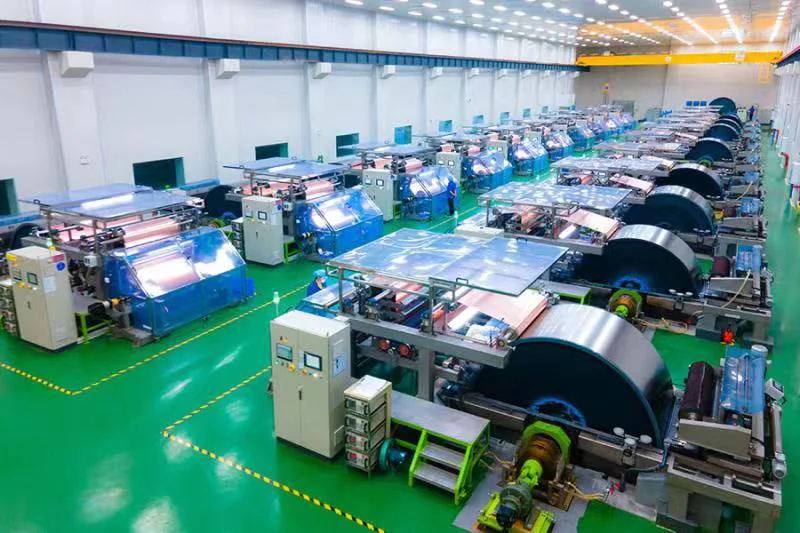
What Is EPC for Copper Foil Plants?
EPC stands for Engineering, Procurement, and Construction — a turnkey approach favored in complex industrial projects that require seamless integration of design, machinery procurement, and construction management. In the context of a copper foil plant, EPC services guide the project from conceptual design through commissioning, allowing manufacturers to reduce risk, ensure quality, and accelerate time‑to‑operation.
A well‑executed EPC project enables efficient production workflows, precise process control, and scalable plant infrastructure — all of which are critical for meeting the exacting tolerance and performance standards of modern copper foil production.
1. Engineering Design: The Foundation of Operational Excellence
Strong engineering design lies at the heart of successful copper foil plant implementation. This phase connects strategic goals with practical execution by defining:
Process Flow and Technology Selection
Copper foil production involves multiple stages, including:
-
Electrolytic deposition or reverse rolling
-
Annealing and tempering
-
Surface treatment and drying
-
Winding and slitting
Each step must be carefully engineered to maintain uniform thickness, mechanical strength, surface quality, and electrical properties. Engineering design defines optimal process sequences and selects equipment technologies that deliver stable, high‑yield performance.
Layout and Workflow Optimization
Efficient plant layout reduces material handling time, minimizes production bottlenecks, and supports safe worker movement. Engineers consider:
-
Logical sequence of process modules
-
Space allocation for raw material storage
-
Separation of clean and processing zones
-
Maintenance access and safety pathways
By optimizing layout early in the design phase, EPC providers help reduce construction costs and ensure smooth facility operation.
Automated Control Systems
Modern copper foil plants rely on automation and control systems — including PLCs, SCADA platforms, and sensor networks — to maintain process consistency, monitor quality, and provide real‑time data for process optimization. Engineering teams design these systems to integrate seamlessly with mechanical equipment and production workflows.
2. Procurement: Quality and Availability Matter
Once engineering design is finalized, procurement begins — and choices made here directly impact production performance and long‑term reliability.
Equipment Selection
Procurement teams evaluate and source high‑precision machinery such as:
-
Electrolytic tanks and rolls
-
Cooling systems
-
Tension and thickness control units
-
Dryers, cleaners, and slitting machines
Working with trusted OEMs ensures that equipment meets specifications and performs reliably under continuous production conditions.
Vendor Management
EPC providers oversee vendor negotiations, quality inspections, delivery tracking, and logistics coordination. This disciplined approach helps prevent delays and ensures that parts and machinery arrive on schedule and in optimal condition.
3. Construction Management and Project Integration
During construction, EPC teams validate that the design intent is realized in the field:
Site Preparation and Infrastructure
Construction begins with site grading, utilities installation (power, water, compressed air), and structural foundations — all executed according to engineering specifications.
Installation and Commissioning
Skilled technicians handle the installation of process equipment, automation systems, and safety systems. Commissioning teams then test, calibrate, and optimize every production line segment to ensure peak performance before handover.
Safety and Compliance
Copper foil plants operate with hazardous materials and high‑temperature processes. EPC project teams enforce strict safety protocols and ensure compliance with environmental and industrial standards.
4. Turnkey Benefits of EPC Services
Choosing an EPC approach for a copper foil plant offers many advantages:
Single point of responsibility — one integrated team managing design, procurement, and construction
Optimized project timing — coordinated scheduling shortens startup time
Cost predictability — accurate budgeting and procurement control
Quality assurance — standardized engineering and inspection processes
Scalable production — future‑ready infrastructure and expandability
By leveraging EPC services, manufacturers mitigate risks associated with multi‑vendor coordination and fragmented project management.
Timonic: Partnering for Copper Foil Plant Success
Timonic Industrial Technology Co., Ltd. is a China‑based provider of advanced copper foil solutions, specializing not only in product innovation but also in comprehensive EPC project services for copper foil plants. With extensive industry expertise and engineering capabilities, Timonic supports clients through:
-
Customized process design and workflow engineering
-
Turnkey plant construction and commissioning
-
Equipment selection, integration, and testing
-
After‑sales technical support and performance optimization
Timonic’s holistic approach combines industry experience, technical precision, and project management excellence, ensuring that each plant operates with efficiency, stability, and competitive performance.
Learn more: https://www.timonic.com.cn/p-about.html
Conclusion
In a highly competitive market where copper foil quality, consistency, and throughput determine industrial success, EPC services play a transformative role. By integrating engineering design, procurement excellence, and construction management, manufacturers can build copper foil plants that operate efficiently, safely, and with strong long‑term performance.
From optimized process layouts and automated control systems to reliable equipment procurement and site commissioning, the EPC model ensures projects are delivered on time, within budget, and to specification. With experienced partners like Timonic Industrial Technology Co., Ltd., companies can confidently enter the copper foil market with solutions that deliver both quality and strategic advantage.
www.timonic.com.cn
Timonic
About Author

More Stories
What are the advantages and application scenarios of hollow nail instruments?
How to Choose the Right Cable Pulley Roller for Overhead Power Line Projects
Popular Science | Common Faults & Solutions for PTFE Corrugated Pipes