Buyers usually think of reliability as something designed into a router: industrial components, electrical protection, watchdogs, and dual SIM. All of that matters. But a high-reliability 5G router can still fail its owner if it arrives as the wrong regional variant, carries outdated or modified firmware, turns out to be a refurbished unit sold as new, or comes without a warranty the manufacturer will honour. Those risks have nothing to do with the design and everything to do with the channel it was bought through.
This article explains why buying from an official store or an officially recognised channel protects reliability, what can go wrong elsewhere, which checks to run when routers arrive, and what an official purchase from E-Lins includes.
What Can Go Wrong Outside Official Channels
The wrong regional variant
Industrial 5G routers are often produced in variants with different band support for different regions. A unit intended for one market may lack the bands used by operators in another, or may not carry the approvals the destination requires. It may connect poorly, fall back to 4G more often than expected, or be unsuitable for legal use.
Old or modified firmware
Units that have sat in a reseller's stock for a long time may carry old firmware with known issues. Units from unclear sources may carry firmware that has been altered. Either undermines both reliability and security.
Used or refurbished units sold as new
A router that has already spent years in a hot cabinet has used part of its service life, even if it looks clean.
Counterfeit or cloned products
Cloned products can copy the look and the label of a known router without its components, protection circuits, or software.
Warranty and support gaps
Manufacturers typically link warranty and technical support to units supplied through their own channels. A unit bought elsewhere may not be covered when it fails.
Missing documentation
Projects in regulated markets need declarations of conformity and test reports for the exact model and variant. Unofficial sellers often cannot provide them.
|
Risk |
Effect on reliability |
How to check |
|
Wrong regional variant |
Poor coverage, missing approvals |
Compare the variant's band list and markings with the destination |
|
Old or modified firmware |
Known faults, security exposure |
Compare the installed version with the manufacturer's current release |
|
Used or refurbished units |
Shortened service life |
Confirm serial numbers with the manufacturer |
|
Cloned products |
Unpredictable failures |
Buy through channels the manufacturer confirms |
|
No warranty or support |
Long outages after a failure |
Confirm warranty terms in writing before ordering |
|
Missing documentation |
Delayed acceptance and audits |
Request the DoC and test reports with the quotation |
What "Official" Should Mean
An official store or channel is one the manufacturer itself operates or recognises. Buying there should guarantee four things: the product is genuine and new; it is the correct variant for the destination; it carries current firmware from the manufacturer; and the warranty and technical support apply in full. For industrial projects, it should also mean access to documentation and a direct line to engineers when something goes wrong.
When a seller claims to be official, ask the manufacturer to confirm it. A legitimate manufacturer will tell you which channels it supplies.
Checks to Run When Routers Arrive
Serial numbers and IMEIs: record them and keep the list for warranty and management purposes.
Markings and labels: check the model, variant, and regulatory marks against your order and destination market.
Firmware version: log in and compare the installed version with the manufacturer's current release, then update before deployment if needed.
Band support: confirm the bands listed for the variant against your operators.
Accessories: antennas, power connectors, and mounting kits should match what was quoted.
Documentation: declarations of conformity, quick-start guides, and manuals for the exact model.
Questions to Put to Any Seller
Before ordering, ask the seller five things. Where do the units come from, and can the manufacturer confirm the supply? Which exact variant is being offered, and for which market? Which firmware version will be installed at delivery? Who handles warranty claims, and how long does a replacement take? Which documents will accompany the shipment? A seller that answers clearly and in writing is far more likely to deliver routers that perform as the datasheet promises.
Buying E-Lins Through Official Channels
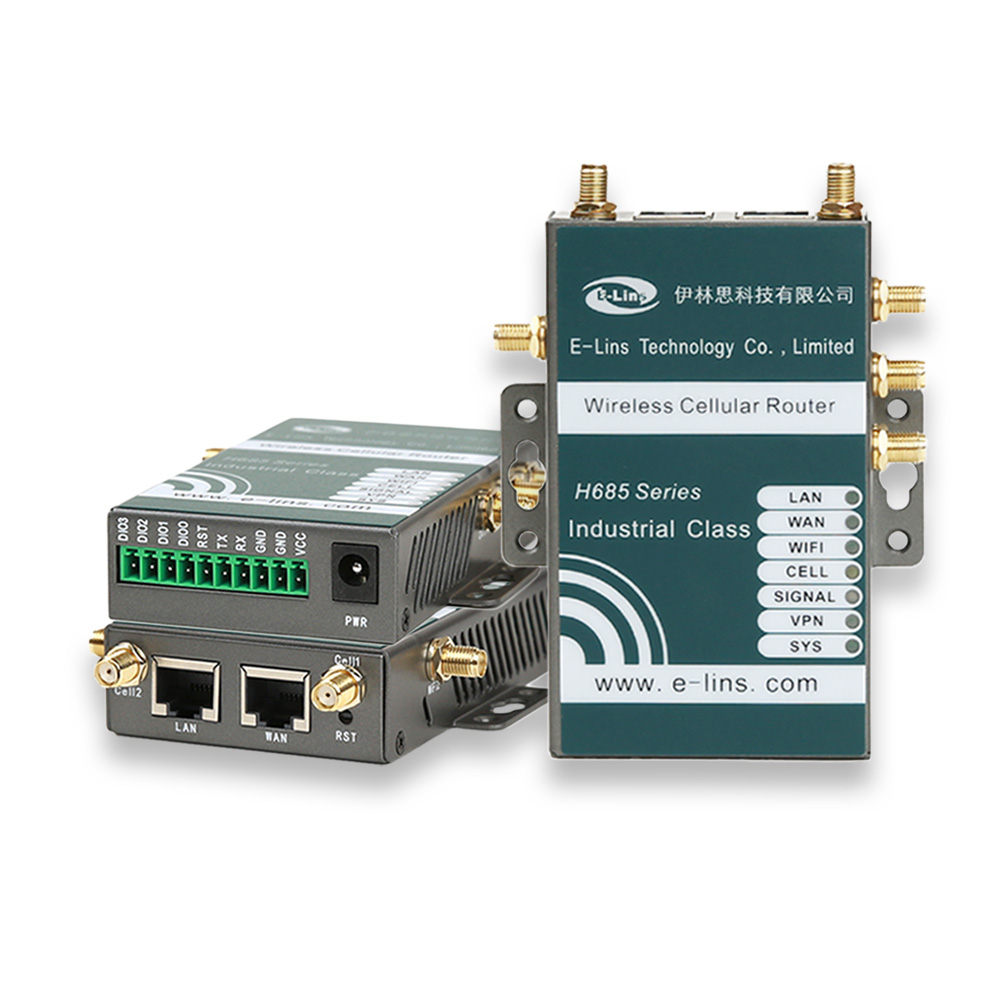
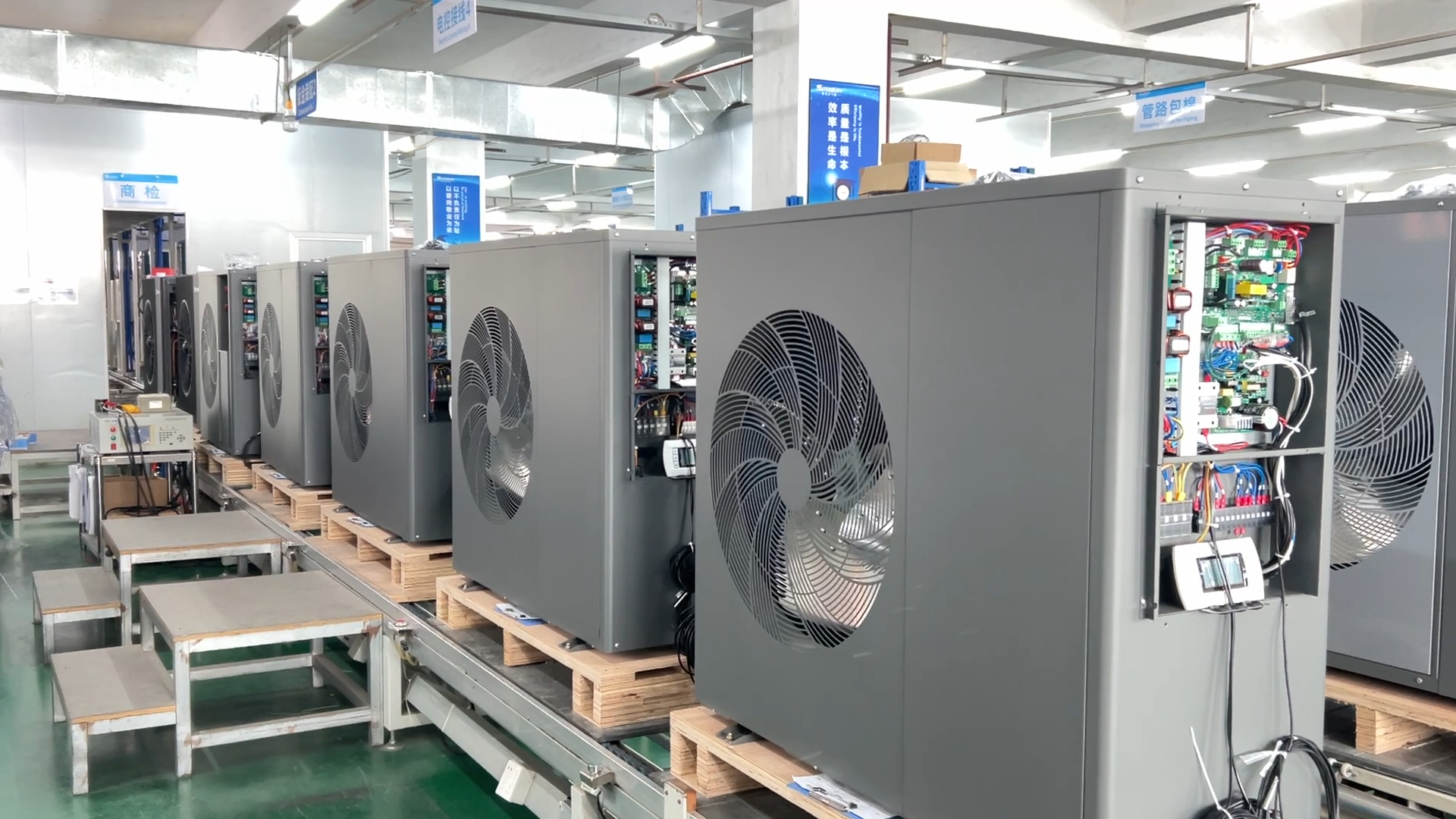
Shenzhen E-Lins Technology Co., Ltd. manufactures in its own SMT factory and assembly lines in Shenzhen and supplies customers directly from the factory, while also working with telecom carriers and industrial distributors in more than 150 countries and regions. Buyers who are unsure whether a seller is an official E-Lins channel can contact E-Lins directly to confirm.
An official purchase from E-Lins brings the support and lifecycle commitments that protect reliability over the years:
Warranty: a standard one-year warranty that can be extended; for the H685t, extensions of up to five years are listed.
Firmware: system software developed in-house, with lifetime free firmware upgrades.
Support: 7x24 remote technical support by email, phone, WhatsApp and WeChat, with an average response time of 10 minutes during business hours, packet capture analysis, remote debugging and a reported 90% remote resolution rate.
Learning resources: configuration manuals, video tutorials and one-to-one remote guidance.
Supply: stock for standard models typically prepared in 1 to 2 business days, and a reported 98.5% on-time delivery rate for volume projects.
Compliance: CE, FCC, and UKCA certification and RoHS compliance.
Reliability Built Into the Product
Once the right unit is in hand, its design does the rest. E-Lins specifies industrial-grade components rated from -35°C to +75°C, 15KV ESD protection and 1.5KV electromagnetic isolation, with hardware watchdog timers and link self-healing, and reports an equipment online rate of 99.5% or higher. Its flagship H900f 5G router adds 5G SA/NSA dual mode, Gigabit peak rates, dual SIM hot backup with failover within seconds, and dual power inputs with automatic failover. In the field, E-Lins equipment has reached a 99.9% or higher online rate for a European ground support equipment manufacturer on electromagnetically noisy airport aprons, and E-Lins reports an overall customer satisfaction rate of 97%.
Keeping Reliability After Purchase
Buying through an official channel is the start, not the end. Record every serial number and IMEI in your asset register and management platform. Update firmware before deployment and then on a planned schedule, applying new releases to a small group first. Buy spare units from the same channel, so that spares match the installed fleet in variant and firmware. Agree a returns path in advance, so that a failed unit is replaced quickly rather than lost in correspondence. These habits keep the fleet consistent, which is itself a large part of reliability.
A Simple Rule
For high-reliability 5G routers, the official store or channel is part of the specification. Buy where the manufacturer stands behind the product, check what arrives, keep firmware current, and the reliability designed into the router will reach the field intact.
https://e-lins.com/
Shenzhen E-Lins Technology Co., Ltd.
About Author


More Stories
The Role of Visual Documentation in Modern Industrial Maintenance
China's High-Power Laser Matrix Modules for Stage Lighting
12V LiFePO4 Battery Guide For Garden Sprayer Manufacturers