With the rapid growth of commercial drones, UAV inspection systems, and aerial imaging solutions, selecting the right camera stabilization system has become a critical decision for drone manufacturers and project developers. A high-quality 3-axis gimbal camera can significantly improve image stability, flight performance, and data accuracy, making it an essential component for applications such as industrial inspection, surveillance, mapping, agriculture, and professional aerial photography. As an experienced provider of stabilized imaging solutions, Wuhan Kimbal Technology understands that choosing a reliable gimbal camera supplier is not only about product specifications but also about technical capability, customization support, production quality, and long-term cooperation.
For drone projects, the wrong supplier choice can lead to compatibility issues, unstable performance, delayed deliveries, and increased development costs. Therefore, businesses need to carefully evaluate suppliers before making a purchasing decision. This article explains the key factors to consider when selecting a reliable 3-axis gimbal camera supplier and how to ensure your chosen partner can meet your project requirements.
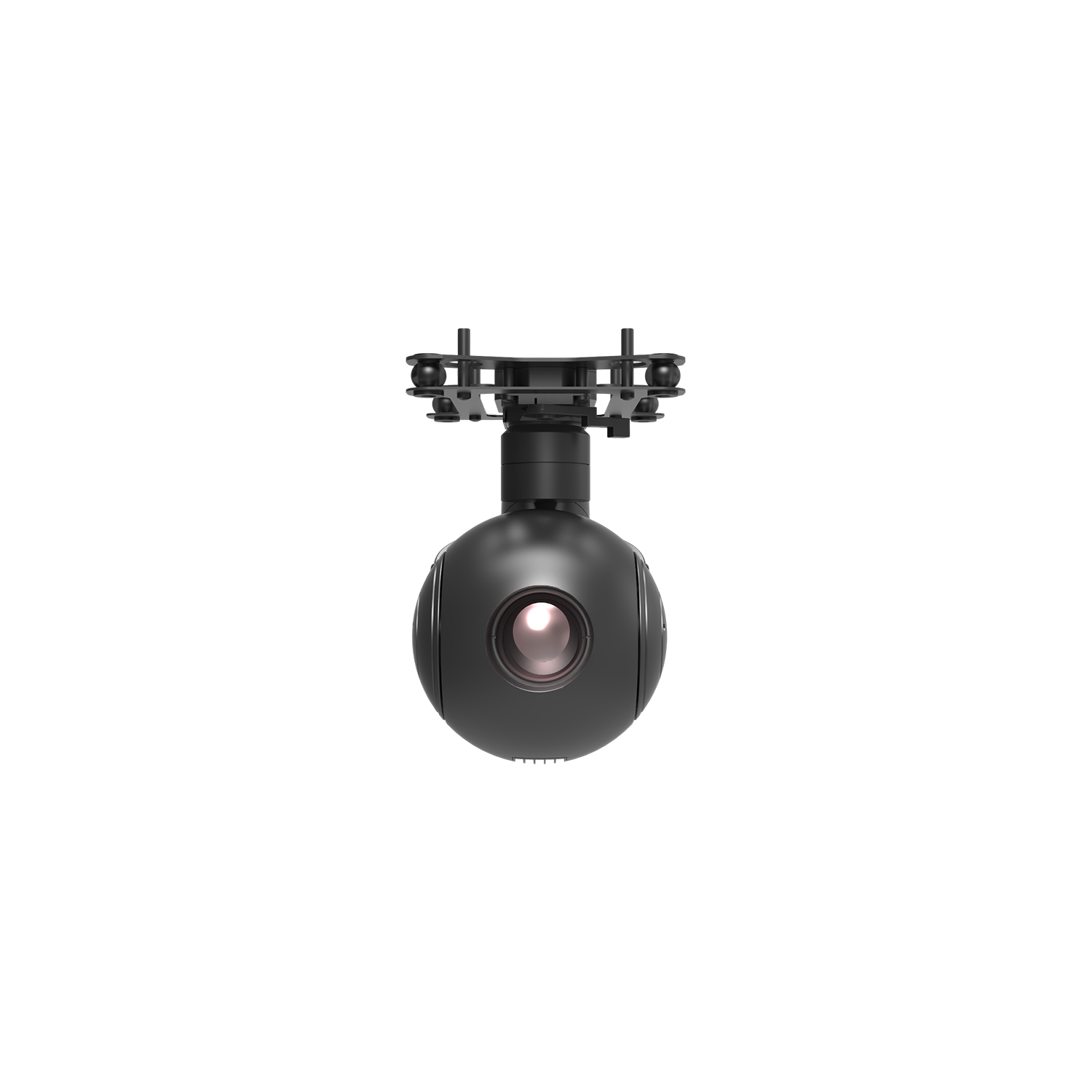
Why Choosing the Right 3-Axis Gimbal Camera Supplier Matters
A 3-axis gimbal camera is a precision device that combines mechanical structures, brushless motors, sensors, control algorithms, and imaging technology. Unlike standard cameras, gimbal cameras must operate under challenging conditions, including vibration, rapid movement, temperature changes, and complex flight environments.
The supplier you choose directly affects:
-
Camera stabilization performance
-
Product reliability
-
Integration efficiency
-
Manufacturing consistency
-
After-sales support
-
Long-term project success
For drone manufacturers, system integrators, and professional users, a supplier should provide more than just hardware. A dependable partner should understand UAV applications and offer solutions that match specific operational needs.
Evaluate the Supplier’s Industry Experience
One of the first factors to consider is the supplier’s experience in developing and manufacturing gimbal camera systems.
A company with strong industry experience usually has a deeper understanding of:
-
UAV flight characteristics
-
Payload integration requirements
-
Camera control protocols
-
Stabilization technologies
-
Different application environments
An experienced supplier can help customers avoid common design problems, such as insufficient payload compatibility, unstable communication between the gimbal and flight controller, or inadequate vibration resistance.
When evaluating suppliers, consider questions such as:
-
How long has the company been involved in gimbal camera development?
-
Does the supplier specialize in UAV imaging solutions?
-
Has the supplier worked with commercial or industrial drone projects?
-
Can they provide engineering support during integration?
A supplier with practical project experience can often provide more effective solutions compared with companies that only focus on standard product sales.
Check Product Quality and Stabilization Performance
The primary function of a 3-axis gimbal camera is stabilization. Therefore, product performance should be one of the most important evaluation criteria.
A reliable supplier should provide detailed technical information, including:
Stabilization Accuracy
High stabilization accuracy ensures that the camera remains steady during drone movement. This is especially important for:
-
Infrastructure inspection
-
Surveying missions
-
Security monitoring
-
Long-range aerial imaging
Poor stabilization can result in blurry images, inaccurate data collection, and reduced operational efficiency.
Motor Performance
Brushless motors are the core components responsible for smooth movement. High-quality motors should provide:
-
Fast response speed
-
Low vibration operation
-
Precise angle control
-
Long service life
Sensor and Control System
Advanced gimbal cameras typically use gyroscopes, IMU sensors, and intelligent control algorithms to detect and compensate for movement.
A professional supplier should continuously optimize these systems to improve stabilization performance in real-world conditions.
Consider Camera Compatibility and Integration Capability
Every drone project has different requirements. A reliable 3-axis gimbal camera supplier should offer products that can be easily integrated with different UAV platforms.
Before selecting a supplier, check:
Camera Payload Compatibility
Different applications require different camera configurations, such as:
-
High-resolution optical cameras
-
Thermal imaging cameras
-
Zoom cameras
-
Dual-sensor payloads
-
Multispectral cameras
The supplier should provide suitable mounting structures and interfaces.
Communication Compatibility
A professional gimbal system should support communication with:
-
Flight controllers
-
Ground control stations
-
Remote controllers
-
AI processing systems
Common communication methods may include serial communication, Ethernet, or customized protocols.
Mechanical Integration
The gimbal should match the drone platform in terms of:
-
Weight
-
Size
-
Mounting position
-
Power requirements
A supplier with customization capabilities can significantly simplify the integration process.
Look for Customization and OEM Capabilities
Many drone projects require customized solutions rather than standard products.
For example, a customer may need:
-
A specific camera module
-
Customized mounting brackets
-
Different communication interfaces
-
Special waterproof designs
-
Customized firmware functions
-
Unique payload configurations
A reliable supplier should have strong engineering and manufacturing capabilities to support OEM and ODM projects.
Customization ability is especially important for:
-
Industrial drone manufacturers
-
Government projects
-
Security applications
-
Specialized inspection systems
Working with a supplier that can adapt products according to project requirements provides greater flexibility and helps create a more competitive final solution.
Evaluate Manufacturing Capability and Quality Control
A supplier’s manufacturing ability directly impacts product consistency and delivery reliability.
A professional manufacturer should have:
Advanced Production Facilities
Production facilities should support:
-
Precision mechanical processing
-
Electronic assembly
-
Calibration testing
-
Functional verification
Strict Quality Control Procedures
Reliable suppliers usually conduct multiple testing procedures, including:
-
Motor performance testing
-
Vibration testing
-
Environmental testing
-
Communication testing
-
Flight simulation testing
Quality control ensures that each 3-axis gimbal camera performs consistently before shipment.
For large-scale drone projects, production capacity is also important. Suppliers should be able to handle increasing order volumes while maintaining stable quality.
Review Technical Support and After-Sales Service
A high-quality supplier relationship does not end after delivery.
Drone projects often require ongoing technical support, especially during:
-
System integration
-
Testing stages
-
Product upgrades
-
Field operation
A reliable supplier should provide:
-
Technical consultation
-
Installation guidance
-
Firmware updates
-
Troubleshooting support
-
Spare parts assistance
Fast and professional support can reduce downtime and improve project efficiency.
Compare Supplier Pricing Without Focusing Only on Cost
Price is an important consideration, but it should not be the only deciding factor.
A lower-priced gimbal camera may result in:
-
Lower stabilization accuracy
-
Shorter product lifespan
-
Limited customization options
-
Higher maintenance costs
Instead of comparing only the initial purchase price, businesses should evaluate overall value, including:
-
Product reliability
-
Technical support
-
Integration efficiency
-
Long-term maintenance costs
A slightly higher investment in a reliable supplier can often reduce operational risks and provide better returns over the product lifecycle.
Check Customer References and Project Experience
Before choosing a supplier, reviewing previous projects and customer feedback can provide valuable insights.
A trustworthy supplier should be able to demonstrate experience in applications such as:
Industrial Inspection
Drones equipped with stabilized cameras are widely used for inspecting:
-
Power lines
-
Bridges
-
Wind turbines
-
Pipelines
-
Buildings
Security and Surveillance
Stable imaging is essential for monitoring large areas and tracking moving targets.
Mapping and Surveying
Accurate aerial images support:
-
Land measurement
-
Construction monitoring
-
Geographic information collection
Professional Media Production
High-quality stabilization enables smooth aerial filming for commercial content.
Suppliers with experience in these fields are more likely to understand the challenges of professional UAV operations.
Common Mistakes When Selecting a 3-Axis Gimbal Camera Supplier
Many companies make purchasing decisions based only on product appearance or price. However, several important factors are often overlooked.
Choosing Based Only on Low Price
Cheap products may not provide reliable performance in demanding environments.
Ignoring Compatibility Requirements
A gimbal camera must work properly with the drone platform, software, and control system.
Not Checking Customization Support
Standard products may not meet specialized project requirements.
Overlooking Long-Term Support
Technical assistance after purchase is essential for professional applications.
Avoiding these mistakes can help companies build more reliable drone systems.
Future Trends in 3-Axis Gimbal Camera Development
The UAV industry continues to evolve, and gimbal camera technology is also advancing rapidly.
Future trends include:
AI-Enhanced Imaging
Artificial intelligence will improve:
-
Object recognition
-
Automatic tracking
-
Intelligent shooting modes
Lightweight Design
Manufacturers are developing smaller and lighter gimbal systems to extend drone flight time.
Multi-Sensor Integration
Future gimbal platforms will increasingly combine:
-
Visible cameras
-
Thermal cameras
-
LiDAR sensors
-
Other advanced imaging technologies
Higher Automation
Autonomous drones will require more intelligent stabilization and camera control systems.
Choosing a supplier with continuous innovation capability ensures that your drone project remains competitive in the future.
Conclusion
Selecting a reliable 3-axis gimbal camera supplier requires careful evaluation of technical expertise, product quality, customization capability, manufacturing strength, and after-sales support. A professional supplier should not only provide stable and high-performance camera systems but also understand the unique requirements of different UAV applications.
For businesses developing commercial drones, industrial inspection platforms, or specialized aerial imaging solutions, partnering with an experienced manufacturer can greatly improve project success. With strong expertise in stabilized camera technology and UAV imaging solutions, Wuhan Kimbal Technology is committed to providing reliable 3-axis gimbal camera products and professional support for customers worldwide, helping drone projects achieve better performance, accuracy, and operational efficiency.
www.kimbaltech.com
kimbal
About Author


More Stories
How to Reduce Laser Speckle With XGIMI TITAN Noir Max
How to Select Battery Chemistry for a New Device: 2026 Guide
Industrial 4G Router Production Company: E-Lins Technology