The construction industry has witnessed a revolutionary shift in how temporary facilities are deployed on project sites. Among the most significant innovations are modular container houses, which have redefined the standards for construction site conference rooms and office spaces. These prefabricated solutions combine efficiency, cost-effectiveness, and quality in ways that traditional construction methods simply cannot match.
Understanding Modular Container House Technology
Modular container houses represent a sophisticated evolution of portable building technology. Unlike conventional construction that requires extensive on-site labor and materials, these units arrive as factory-prefabricated structures with integrated electrical systems, plumbing, HVAC, and interior finishes already installed. The manufacturing process ensures quality control far exceeding what can be achieved in typical field conditions.
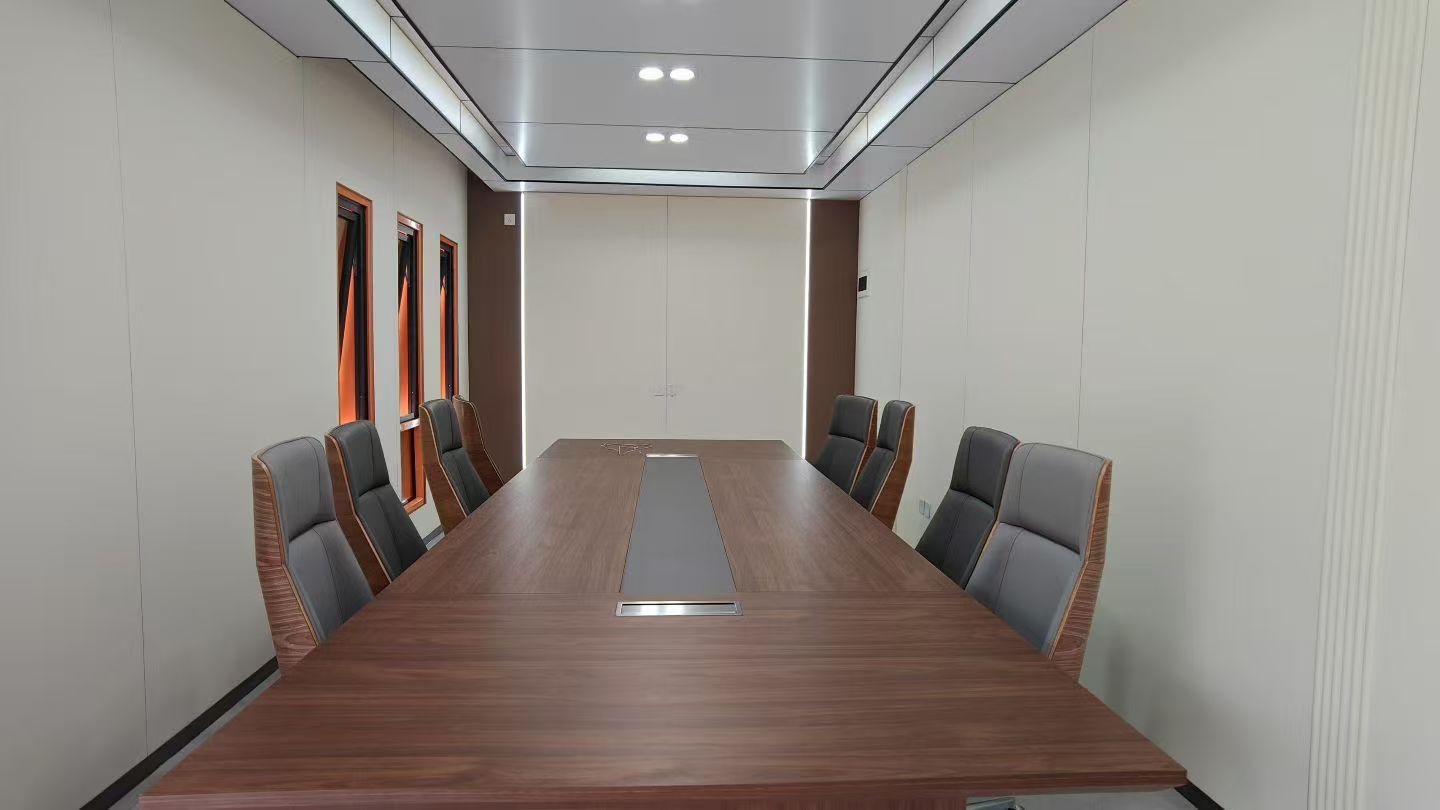
The technology encompasses several distinct product categories, each optimized for specific deployment scenarios. Package container houses feature welded frame structures with top and bottom frames joined to vertical columns, creating superior structural rigidity. These units utilize pure bolt-based assembly, eliminating on-site welding requirements entirely. The rock wool and glass wool sandwich panels with dedicated sealing strips provide exceptional thermal insulation and weatherproofing, making them suitable for year-round use in diverse climates.
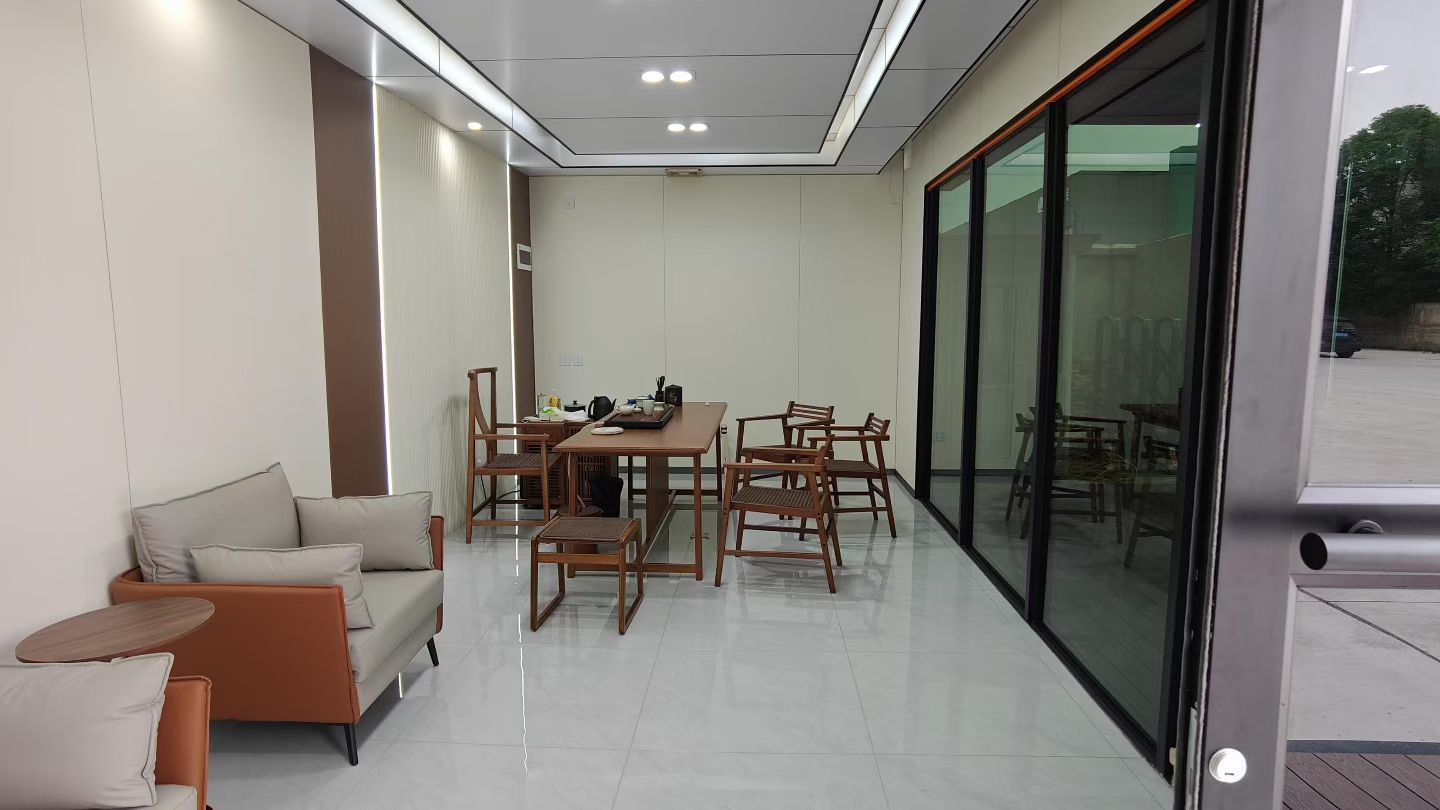
Quick-assemble container houses prioritize deployment speed, with standardized components using bolt and slot lock systems. The efficiency gains are remarkable—just 2-3 personnel can complete installation of one unit in half a day. The cold-bent galvanized steel framework ensures rust resistance and weather readiness, while pre-installed electrical, plumbing, doors, and windows deliver immediate functionality.
Revolutionary Deployment Solutions for Project Sites
For construction projects requiring conference rooms and administrative spaces, the deployment speed of modular solutions creates significant competitive advantages. Traditional site offices might require weeks of construction, whereas modular units can be operational within hours of delivery.
The Z-foldable container house exemplifies this efficiency. Its innovative Z-fold design compresses the unit into a flat profile, reducing transport volume by over 70%. Upon arrival, the structure unfolds in approximately one minute without specialized tools or skilled labor. Doors, windows, ceiling, and wallboards remain integrated throughout the folding process, ensuring immediate usability. The Z-type hinge reinforcement maintains structural integrity through repeated folding cycles, making these units ideal for contractors who relocate offices frequently between projects.
Similarly, the X-foldable container house employs a "wing" folding mechanism where sides fold inward while maintaining unit integrity. This zero-installation approach delivers true "open and use" capability—no board splicing or bolt tightening required. High-performance waterproofing at folding points ensures reliable weather protection, while the durable steel frame withstands repeated folding and unfolding cycles.
Architectural Sophistication for Professional Environments
While speed and efficiency matter, construction site offices also serve as representations of contractor professionalism and organizational capability. The modular container office room addresses this need through architecturally superior design that supports permanent or semi-permanent complex configurations.
These high-end units feature Lego-like flexibility, enabling complex combinations through stacking, connecting, and expanding. The systems support decorative facades including curtain walls, wood grain panels, and architectural grids, creating professional appearances indistinguishable from conventional construction. Factory-installed interior fit-outs can include air conditioning, bathrooms, and furniture, delivering turnkey conference rooms and administrative spaces.
The structural engineering behind these systems enables multi-story construction with high seismic and wind resistance. Construction sites can create comprehensive office complexes by stacking units 2-3 stories high, accommodating project teams of varying sizes without consuming excessive site footprint.
Performance Advantages in Real-World Applications
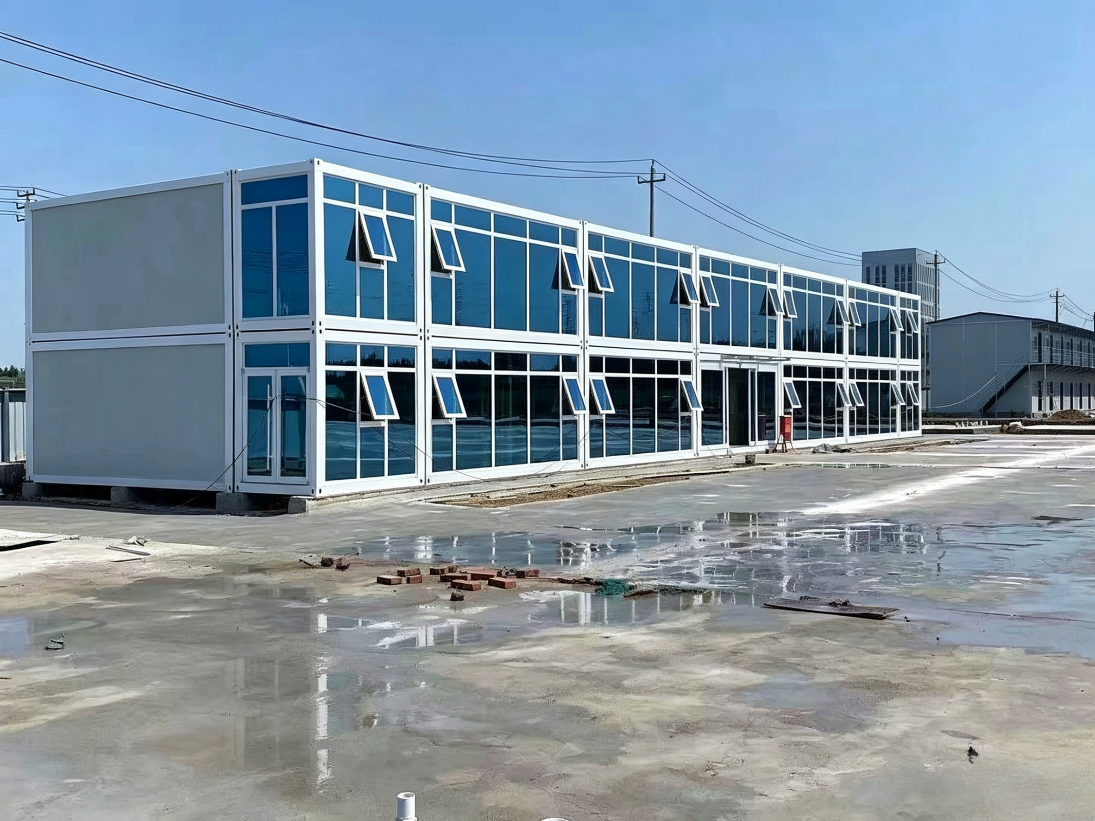
The practical benefits of modular container solutions extend beyond installation speed. Cost optimization occurs across multiple dimensions. Transportation costs decrease substantially—foldable units maximize truck capacity, while standardized dimensions ensure efficient logistics. Labor costs drop dramatically since minimal on-site assembly requires fewer personnel with lower skill requirements. Management costs decline because the plug-and-play delivery model eliminates coordination of multiple trades and reduces construction supervision needs.
Environmental impact represents another significant advantage. Dry-construction methods eliminate the dust, noise, and waste associated with traditional building. Material recyclability reaches exceptional levels, with steel frames and modular components maintaining value through multiple deployment cycles. The high salvage value and reusability make these solutions economically attractive for contractors who amortize costs across numerous projects.
For construction site conference rooms specifically, the integrated insulation systems deliver superior comfort. A-grade fireproof core materials combined with rock wool or glass wool insulation ensure stable interior temperatures regardless of external conditions. Dedicated sealing strips prevent drafts and moisture intrusion, creating professional meeting environments comparable to permanent facilities.
Comprehensive Application Scenarios
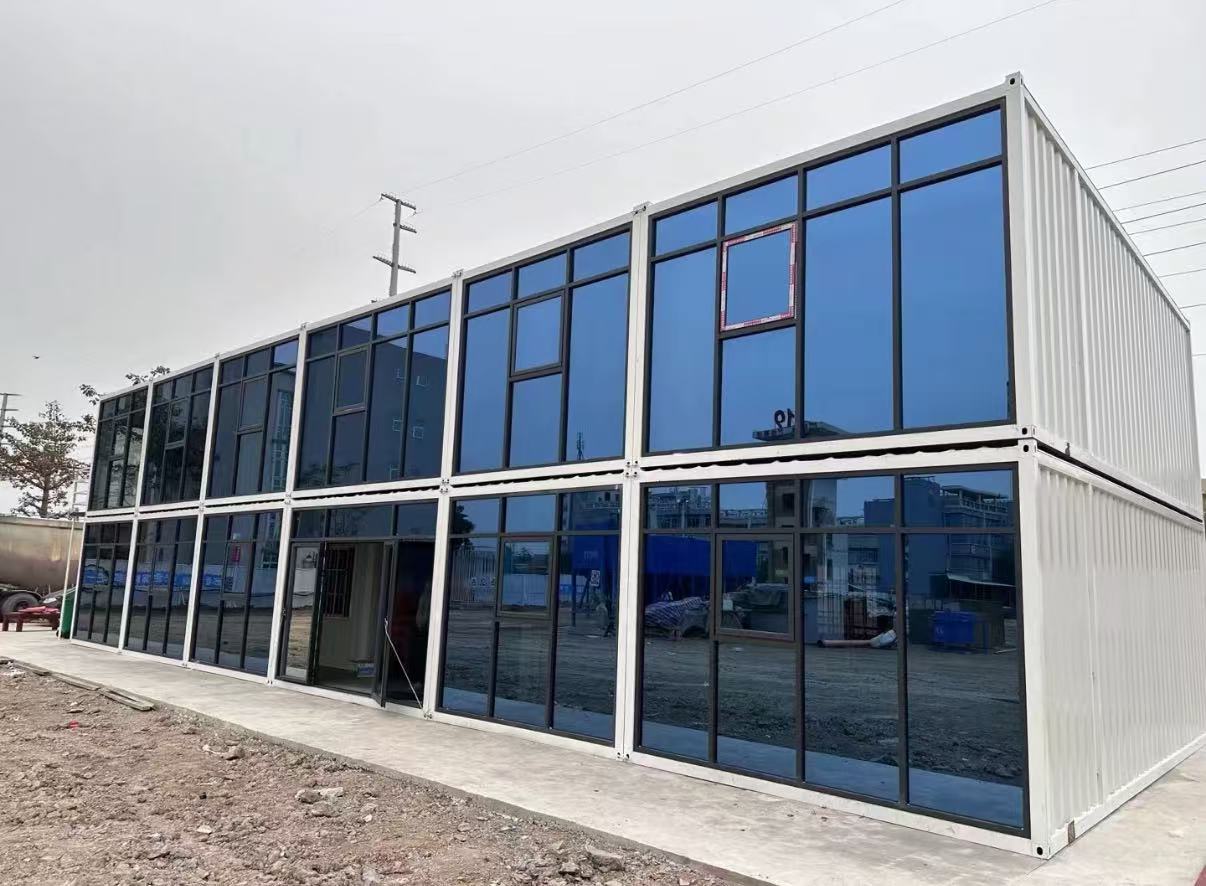
While construction sites represent the primary market, the versatility of modular container technology enables diverse applications. Project offices, worker dormitories, and temporary classrooms or clinics all benefit from rapid deployment and mobility. Municipal service buildings and roadwork facilities leverage the quick-assemble and foldable variants for temporary installations.
Commercial applications have emerged as significant secondary markets. Tourism operators deploy high-end variants for resort accommodations, while retail businesses use them for pop-up stores and exhibition spaces. The panoramic designs with floor-to-ceiling glass create immersive environments suitable for boutique hotels and commercial coffee shops.
Industrial facilities utilize high-density fireproof wall materials and cleanroom-standard modular panels for specialized applications. Electronic manufacturing cleanrooms, pharmaceutical factories, and food processing plants require dust-free, anti-static, antimicrobial surfaces—all achievable through factory-controlled prefabrication. Hospitals, laboratories, and server rooms benefit from the structural integrity and performance specifications impossible to guarantee with field construction.
Strategic Value for Modern Construction
The adoption of modular container solutions reflects broader industry evolution toward industrialized prefabrication. Construction firms face perpetual pressure to reduce timelines, control costs, and maintain quality—objectives often in conflict using traditional methods. Prefabricated modular systems resolve these tensions by shifting construction from uncontrolled field environments to quality-controlled factory settings.
For general contractors and construction firms, the scalability and flexibility of modular systems enable responsive project management. Site office needs fluctuate throughout project lifecycles, and modular solutions accommodate these changes through simple addition or removal of units. The stackable and combinable nature supports organic growth as projects expand.
Rental equipment and container leasing companies have built entire business models around the reusability and portability of these systems. The structural durability and resistance to repeated assembly cycles create assets that generate revenue across multiple clients and projects. Commercial real estate developers leverage modular technology for sales offices and model homes that relocate between development sites.
Conclusion: The Future of Temporary Construction Facilities
The transformation of construction site conference rooms and administrative facilities through modular container technology represents more than incremental improvement—it constitutes a fundamental reimagining of temporary construction infrastructure. The combination of rapid deployment, cost optimization, environmental sustainability, and architectural quality creates value propositions unmatched by traditional approaches.
As the construction industry continues embracing prefabrication and modular methods, these solutions will increasingly become standard rather than alternative. Contractors who adopt modular container office systems gain competitive advantages through faster project mobilization, reduced overhead costs, and enhanced project site professionalism. The technology has matured beyond experimental status to become proven, reliable, and economically compelling for construction projects of all scales.
www.safetycontainer.com
Suzhou Guxin Steel Structure Co., Ltd
About Author

More Stories
2026 Top 6 Quick-Assemble Container House Manufacturers
Yuehua Stainless Steel Decorative Tubes vs Competing Brands
How KJ-001B Waterproof Mortar Masterbatch Improves Cement Mortar Performance