Welding is an essential process across industries such as construction, transportation, energy, and manufacturing. While it enables strong, permanent joins, it also introduces significant risks: flying sparks, molten metal spatter, intense heat, and the potential for fire. Protecting people, equipment, and facilities requires more than basic safety awareness—it depends on using the right protective materials. One of the most practical and widely used solutions is the welding blanket.
Choosing the correct welding blanket is not a small decision. The wrong material or insufficient performance level can lead to damaged equipment, unsafe working conditions, or even serious accidents. In this article, we explore what welding blankets do, how to select the right one, and why material quality and manufacturing expertise matter when it comes to reliable workspace protection.
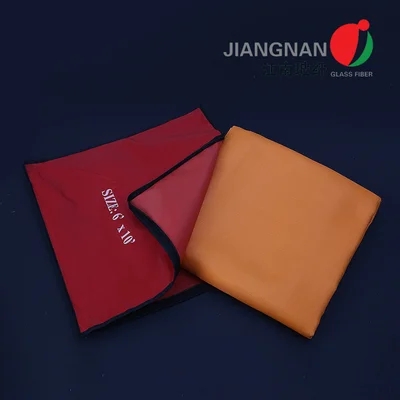
Why Welding Blankets Matter in Daily Operations
A welding blanket is designed to shield surrounding areas from sparks, slag, and high temperatures generated during welding, cutting, or grinding. In busy workshops or industrial sites, welding often takes place near sensitive equipment, flammable materials, or finished surfaces. A properly selected welding blanket acts as a physical barrier, reducing the risk of fire and minimizing downtime caused by accidental damage.
Beyond fire prevention, welding blankets also help maintain cleaner workspaces. By containing sparks and debris, they reduce cleanup time and protect floors, machinery, and structural components. In environments where multiple trades operate simultaneously, this added layer of protection supports smoother coordination and safer workflows.
Key Performance Requirements for Welding Blankets
Not all welding blankets perform the same. Understanding their core performance requirements helps ensure you select a product that matches your application.
Heat Resistance
A welding blanket must withstand high temperatures without melting, shrinking, or losing structural integrity. Depending on the welding process and exposure duration, different temperature ratings may be required. Fiberglass-based blankets are commonly chosen for their excellent heat resistance and stability.
Fire Resistance
Effective welding blankets are flame-retardant and self-extinguishing. This property prevents sparks from igniting the blanket itself and reduces the spread of fire in the event of prolonged exposure.
Durability and Flexibility
In industrial environments, blankets are frequently moved, folded, and repositioned. Durable construction ensures a longer service life, while flexibility allows the blanket to conform to complex shapes and tight spaces.
Coating and Surface Treatment
Many welding blankets feature coatings such as silicone, acrylic, or vermiculite. These coatings enhance abrasion resistance, reduce fiber shedding, and improve resistance to molten metal splash.
Applications Across Multiple Industries
Welding blankets are not limited to traditional metal fabrication shops. Their applications span a wide range of industries:
-
Construction and Infrastructure: Protecting structural elements, scaffolding, and nearby materials during on-site welding.
-
Transportation: Used in shipbuilding, rail maintenance, and automotive manufacturing to safeguard components and interiors.
-
Energy and Power Generation: Essential in wind power manufacturing and maintenance, where composite materials and electrical components require careful protection.
-
Electronics and Equipment Manufacturing: Preventing heat and spark damage to sensitive devices and assemblies.
In each of these sectors, consistent product quality and reliable performance are critical. A welding blanket must do its job every time, under varying conditions.
The Role of Advanced Materials and Manufacturing
Behind every dependable welding blanket is a foundation of advanced materials and precise manufacturing processes. Fiberglass fabrics, when produced with consistent yarn quality and tight weaving control, deliver stable thermal and mechanical performance. Coating processes further enhance protection by improving resistance to heat, sparks, and wear.
Changshu Jiangnan Fiberglass Co., Ltd. stands as one of China’s leading manufacturers and exporters of high-temperature materials and fiberglass composite products. Founded in 1956, the company has decades of experience translating material science into practical industrial solutions. With a production area exceeding 100,000 square meters, Jiangnan Fiberglass has built the capacity to support large-scale, consistent supply while maintaining strict quality standards.
By introducing advanced warp-knitting equipment and wide-width coating lines, the company ensures uniform coatings and stable fabric performance across every batch. This manufacturing capability is especially important for welding blankets, where inconsistency can compromise safety.
Production Strength That Supports Real-World Demands
Large projects and ongoing industrial operations depend on reliable supply. Jiangnan Fiberglass produces approximately 50,000 tons of fiberglass and related products annually. This includes woven fabrics, around 2.4 million fire blankets, and roughly 10 million meters of coated fiberglass fabrics each year.
Such scale is not just about volume—it enables stable lead times, consistent specifications, and the flexibility to meet diverse application requirements. Welding blankets manufactured under these conditions are better suited for demanding environments where performance cannot be left to chance.
Innovation Driven by Practical Use
Material performance evolves as industries change. New welding techniques, higher operating temperatures, and stricter safety standards all place new demands on protective products. A strong research and development capability ensures that welding blankets keep pace with these changes.
Jiangnan Fiberglass has cultivated a dedicated R&D team that has achieved meaningful breakthroughs across projects ranging from personal safety protection to composite materials for wind power generation. This experience feeds directly into the design and improvement of fiberglass fabrics and coatings used in welding blankets, resulting in products that are both practical and forward-looking.
Selecting the Right Welding Blanket for Your Workspace
When choosing a welding blanket, it is important to consider the specific conditions of your workspace:
-
What type of welding or cutting process is used?
-
How close are flammable or sensitive materials?
-
Is the blanket used horizontally, vertically, or as a curtain?
-
How frequently will it be moved or reused?
Answering these questions helps determine the appropriate fabric weight, coating type, and temperature rating. Working with an experienced manufacturer or supplier can further ensure that the product matches your operational needs rather than relying on generic specifications.
For detailed product information and application options, you can explore welding blanket solutions directly from the manufacturer:
<a href="https://www.jnglassfiber.com/Welding-Blankets">High-performance welding blankets</a>
Long-Term Safety Starts with the Right Choice
Protecting a workspace is not only about meeting minimum safety requirements. It is about creating an environment where people can work confidently, equipment remains protected, and operations continue without unnecessary interruptions. Welding blankets play a quiet but essential role in achieving that goal.
By focusing on material quality, proven manufacturing capability, and application-specific design, businesses can significantly reduce risk and improve overall efficiency. With decades of experience, advanced production facilities, and a strong commitment to research and development, manufacturers like Changshu Jiangnan Fiberglass Co., Ltd. provide the foundation for welding protection that performs reliably in real-world conditions.
www.jnglassfiber.com
Changshu Jiangnan Fiberglass Co., Ltd.
About Author

More Stories
Custom Perforated Aluminum Panels: Merging Ventilation with Architectural Aesthetics
Choosing the Right Polycarbonate Solid Sheet: Strength, Clarity, and Specialized Performance
Water Supply Stainless Steel Pipes: 2026 Buying Guide