As global solar capacity expands at an unprecedented pace, operators of photovoltaic (PV) facilities face growing pressure to maintain peak energy output with efficient, predictable, and low-cost operations. Dust accumulation, bird droppings, industrial pollution, salt spray, and airborne particulates can significantly reduce power generation efficiency—sometimes by 5% to 30%, depending on the region. To combat these losses, the solar panel cleaning robot has emerged as a reliable, efficient, safe, and eco-friendly photovoltaic panel cleaning solution. This professional automation technology provides consistent maintenance for solar farms, distributed PV arrays, and utility-scale power plants while minimizing operational downtime and manual labor requirements. In this blog post, WANLV, as high performance photovoltaic panel cleaning robot factory, will share the principles of automatic cleaning robot for solar panel design, its advantages, etc.
How Automatic Cleaning Robot for Solar Panel Technology Works?
Modern solar panel cleaning robots combine electromechanical design, autonomous navigation, and intelligent control algorithms to maintain module surfaces with precision and uniformity.
These robots typically operate on lightweight tracks or wheels and use brush-based, microfiber, or air-jet cleaning modules to remove surface contaminants without scratching the tempered glass. Smart sensors detect edge positioning, gradient changes, and obstacles to ensure stable movement across rows of photovoltaic panels—even in harsh outdoor conditions.
Key functional elements include:
-
Autonomous Routing Systems – Path-planning algorithms allow the device to map panel surfaces, optimize cleaning routes, and avoid unnecessary energy consumption.
-
Adaptive Pressure Control – Ensures the cleaning head applies even force to prevent damage while achieving thorough dust removal.
-
Low-Water or Water-less Operation – Many systems use high-density fiber brushes designed for desert or arid regions where water is limited.
-
Real-time Monitoring & Remote Control – Operators can manage the robots through wireless interfaces or cloud platforms to assess performance, schedule cycles, and review operational data.
This automated technology enables solar farms to maintain consistently clean surfaces without relying on unpredictable weather or labor-dependent manual washing.
Why Solar Panel Robotic Cleaning Systems Improve Energy Yield?
A central benefit of an automatic solar cleaning robot is its ability to maintain stable photovoltaic efficiency. Dust and contaminants create a “shadowing effect,” reducing the amount of light that reaches solar cells. Over time, this loss compounds, especially in remote solar farms located in deserts or industrial zones.
Robotic cleaners restore maximum light absorption by keeping the panel’s glass surface clear. Regular automated cleaning leads to:
-
Higher Power Output – Robots provide uniform cleaning, optimizing energy generation even during peak dust seasons.
-
Reduced Soiling Losses – Automated cycles prevent long-term buildup that manual crews often struggle to manage.
-
Predictable O&M Efficiency – With scheduled cleaning, operators can precisely calculate performance gains and ROI.
In high-dust regions, the use of robotic cleaners can significantly improve annual energy yield, making them an indispensable part of PV operations.
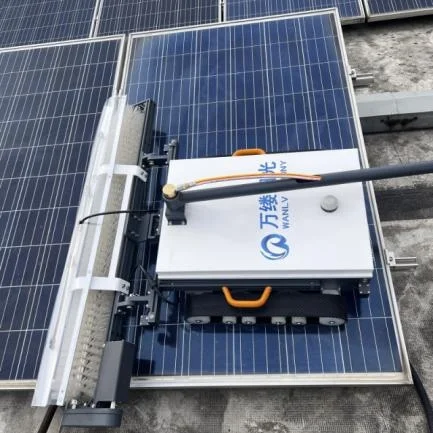
Key Advantages of Solar Panel Cleaning Robot Deployment
When compared to traditional manual labor or water-based cleaning trucks, automatic robots offer several engineering and operational advantages:
1. Safety and Risk Mitigation
Manual cleaning on elevated or tilted arrays exposes workers to fall hazards and electrical risks. Robots eliminate direct human contact with PV modules, preventing accidents and ensuring compliance with modern workplace safety guidelines.
2. Eco-Friendly Cleaning for PV Stations
Robotic cleaners rely on minimal water or water-free brush systems, helping reduce the environmental footprint of solar farms. This supports sustainable energy production and aligns with global ESG standards.
3. Lower Operation and Maintenance Costs
Labor-intensive cleaning is financially unsustainable for large-scale solar farms. Robotic systems operate during off-peak hours, require limited supervision, and significantly cut annual O&M expenses.
4. High Cleaning Consistency
Manual cleaning varies by crew and technique, while robots maintain uniform pressure, speed, and path coverage. This consistency helps prevent micro-scratches and assures long-term performance stability.
5. Compatible with Various PV Installation Types
From fixed-tilt arrays to large-scale utility farms, robots can be adapted to diverse installation layouts. Lightweight frames and modular designs allow easy deployment across different terrains.
Different Types of Automatic Robotic Cleaning Systems
The market offers several types of automatic solar panel cleaners, each tailored to unique environmental and operational needs.
● Rail-Mounted Cleaning Robots
Mounted permanently on aluminum rails spanning PV rows, these robots travel automatically to clean large surfaces. They are highly effective for utility-scale installations with minimal elevation variability.
● Portable Automatic Cleaning Robot for Solar Modules
Lightweight and easy to transport, these portable models are suitable for distributed rooftop PV systems and small industrial facilities. Operators can manually place the robot at the start of each row.
● Water-less Dust Removal Units
Designed for deserts or regions with water shortages, these robots use high-density fiber brushes and precision pressure control to remove sand without relying on water.
● Wet-Cleaning Automatic PV Robots
Ideal for coastal or heavily polluted industrial areas, wet-cleaning robots combine controlled water spraying with brushes to remove sticky or oily deposits.
Each system focuses on maximizing cleaning efficiency while reducing stress on the PV module surface.
Why Automatic Cleaning Robots Are Essential for Large Solar Farms
As the scale of photovoltaic installations continues expanding, maintaining consistent cleanliness becomes increasingly challenging. Large solar farms may span thousands of acres and contain millions of panels—far beyond the capacity of manual teams to clean regularly.
Robotic cleaning systems provide:
-
Operational Stability: Automated schedules ensure modules remain consistently clean throughout the year.
-
Scalability: Robots can work in parallel to cover vast areas efficiently.
-
Workforce Optimization: Fewer operators are needed to supervise cleaning across multi-megawatt or gigawatt facilities.
-
Higher Annual Energy Production: Clean panels produce more electricity, directly improving revenue.
These advantages help reduce the operational burden of renewable energy facilities and strengthen long-term project profitability.
Integration of Solar Panel Cleaning Robots with Smart PV Management
Automatic cleaning robots are increasingly connected to digital monitoring systems that help integrate them into the broader operations of PV plants.
Modern systems utilize:
-
IoT Connectivity for remote operation and diagnostics
-
Cloud Data Platforms for performance analytics
-
Predictive Maintenance Alerts for brush wear, motor conditions, or battery status
-
Cleaning Schedule Optimization based on weather and soiling data
This creates a synergistic ecosystem where cleaning becomes part of the plant’s predictive O&M strategy, contributing to intelligent energy management.
Eco-Friendly Design Supports Sustainable PV Operations
One defining feature of solar panel robotic cleaning systems is their strong environmental orientation. Because they use either minimal water or no water at all, their operation directly supports sustainability goals.
Eco-friendly characteristics include:
-
Reduced Water Usage compared to traditional washing methods
-
Low Energy Consumption from efficient drive systems and rechargeable batteries
-
Prolonged Module Lifespan resulting from gentle, uniform brushing
-
Non-corrosive Materials that withstand prolonged exposure to sunlight, temperature variations, and humidity
These advantages make robotic systems ideal for countries promoting renewable energy along with resource conservation.
Applications Across Solar Farms, Commercial Roofs, and Utility PV Sites
Automatic solar cleaning robots can be deployed across various environments:
-
Utility-Scale Solar Farms – For large ground-mounted systems requiring continuous upkeep.
-
Industrial Rooftop PV Arrays – Portable robots help maintain clean surfaces without obstructing operations.
-
Agricultural PV Projects – Dust and agricultural residues make automated cleaning especially valuable.
-
Remote or Mountainous PV Installations – Robots reduce reliance on travel-intensive manual labor.
This versatility makes automated systems a universal solution for long-term PV maintenance.
Choosing the Right Solar Panel Cleaning Robot for Your PV Project
Selecting the proper robotic cleaning system requires evaluation of environmental, structural, and operational factors. Key considerations include:
-
Panel layout and tilt angle
-
Local dust density and pollution type
-
Water availability
-
System mobility requirements
-
Energy use and battery capacity
-
Maintenance accessibility
Well-matched robotic solutions ensure stable performance over the entire lifespan of a PV installation.
Conclusion
The solar panel cleaning robot is rapidly becoming an indispensable technology for maintaining the long-term performance, efficiency, and reliability of modern photovoltaics. Providing efficient, safe, and eco-friendly maintenance, these robots help solar farms maximize energy output, reduce operational burdens, and extend the service life of their PV assets.
As solar power continues to dominate global energy development, automated cleaning systems will play a fundamental role in protecting investments and supporting sustainable, high-performance renewable energy operations.
www.wlsolarcleaning.com
WANLV
About Author

More Stories
The reactive dye ink tends to clog the printhead after being ground. How can this be solved?
What equipment is used for grinding digital printing ink? What is the required fineness?
One-Stop High-Multilayer PCB Solutions