In modern facilities, cleanliness is no longer just a matter of appearance—it is directly linked to safety, efficiency, and trust. From hospitals and laboratories to data centers and residential buildings, controlling contamination at entry points has become a daily operational challenge. As expectations for hygiene continue to rise, automatic shoe cover dispensers are emerging as a practical and reliable solution that many organizations now consider essential rather than optional.
This shift is not driven by trends alone. It reflects real-world needs: reducing manual labor, improving consistency, and minimizing the risks associated with dirt, dust, and microorganisms carried in on footwear. Among the technologies gaining attention, heat-shrink shoe cover dispensers have proven particularly effective, combining automation with simplicity.
The Growing Importance of Entry-Level Cleanliness
Every facility has one vulnerable point when it comes to cleanliness: the entrance. Shoes are one of the most common carriers of contaminants, including dust, bacteria, chemical residues, and fine particles that are invisible to the eye. In environments such as hospitals, cleanrooms, laboratories, and dental clinics, even small amounts of contamination can compromise safety standards or affect outcomes.
Traditional approaches—manual shoe covers or floor mats—often fall short. Manual shoe covers require users to bend down, which is inconvenient and sometimes unsafe, especially for elderly visitors or staff carrying equipment. Floor mats, while helpful, only reduce surface dirt and cannot fully prevent contamination from spreading indoors.
Automatic shoe cover dispensers address these limitations by offering a controlled, standardized process at the point of entry. With minimal effort from the user, footwear is covered quickly and consistently, significantly reducing the transfer of contaminants.
How Automatic Shoe Cover Dispensers Work
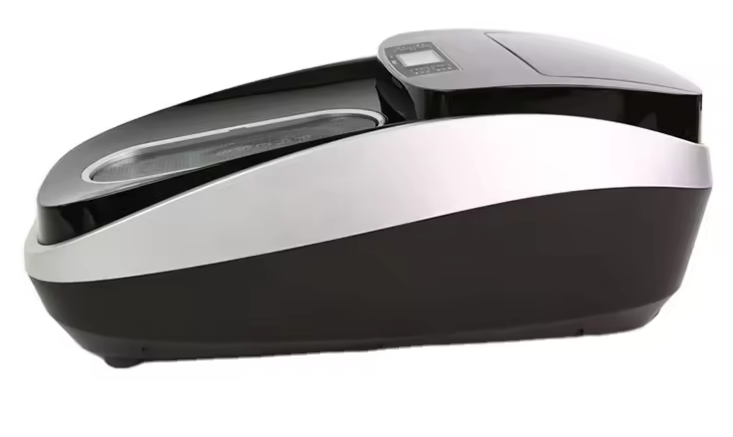
Automatic shoe cover dispensers are designed to apply disposable covers over shoes without the need for hands. One of the most effective designs on the market uses heat-shrink technology. Instead of slipping a loose cover over the shoe, the machine wraps a thin film around the sole and applies controlled heat, causing the material to shrink and fit securely.
This method offers several practical advantages:
-
Secure fit: The cover stays in place while walking, reducing the risk of slipping.
-
Speed: The process takes only a few seconds, helping maintain smooth traffic flow.
-
Ease of use: No bending, tying, or manual adjustment is required.
-
Reduced waste: Film-based covers use material efficiently and are applied precisely where needed.
These benefits make heat-shrink shoe cover dispensers particularly suitable for high-traffic facilities where both hygiene and efficiency matter.
Why Modern Facilities Are Adopting Automated Solutions
The adoption of automatic shoe cover dispensers is not limited to one industry. Their value is being recognized across a wide range of sectors.
Healthcare and Medical Environments
Hospitals, clinics, and dental practices operate under strict hygiene protocols. Automatic shoe cover dispensers help reduce cross-contamination between public areas and treatment zones. They also support infection control efforts without adding complexity to daily routines.
Laboratories and Cleanrooms
In research and manufacturing labs, controlling particulate matter is critical. Even minor contamination can affect test results or product quality. Automated shoe covering ensures consistent protection at every entry, supporting compliance with cleanroom standards.
Factories and Industrial Facilities
In certain manufacturing environments, cleanliness is essential for both product integrity and worker safety. Shoe cover dispensers help prevent dirt and debris from entering controlled areas, especially in electronics, pharmaceutical, and food-related industries.
Data Centers
Dust is a major enemy of servers and sensitive equipment. Automatic shoe cover dispensers help limit airborne particles introduced through foot traffic, contributing to better equipment performance and reduced maintenance needs.
Real Estate, Museums, and Residential Buildings
High-end residential properties, showrooms, and museums often need to protect floors and exhibits while maintaining a professional image. Automated dispensers offer a discreet and efficient way to manage cleanliness without disrupting visitor experience.
Zhejiang Quen Technology Co., Ltd.: Experience Meets Practical Innovation
One of the companies that has played a significant role in advancing this technology is Zhejiang Quen Technology Co., Ltd. As a technology-driven enterprise integrating research and development, production, and sales, Quen has focused on intelligent household and professional equipment solutions for years.
Its flagship product, the XT46 series heat-shrink shoe cover dispenser, was introduced to the market in 2006. Since then, it has been adopted in numerous countries and regions, reflecting its reliability and adaptability to different usage scenarios. By using heat-shrink principles to wrap film tightly around shoe soles, the XT46 series is designed to keep floors clean while remaining simple to operate.
Facilities that require a dependable, professional solution can learn more about the XT46 model through this detailed product page:
<a href="https://www.quenshoecovers.com/automatic-shoe-cover-dispenser-xt-46c-with-1000pcs-shoe-cover.html">automatic shoe cover dispenser XT-46C</a>
The long market presence of this product line highlights an important point: automation in cleanliness is not experimental anymore. It is a mature, field-tested approach that continues to deliver value across industries.
Operational Benefits Beyond Cleanliness
While hygiene is the primary driver, automatic shoe cover dispensers also bring several operational advantages that appeal to facility managers.
Reduced Labor and Supervision
Manual shoe cover stations often require staff oversight to ensure compliance. Automated dispensers reduce this burden by making the correct behavior the easiest option.
Improved User Compliance
When a process is fast and convenient, people are more likely to follow it. Automatic dispensers remove common excuses such as inconvenience or discomfort.
Professional Image
First impressions matter. A clean, automated entry system signals that a facility takes hygiene and management seriously, which can enhance trust among visitors, clients, and partners.
Consistent Standards
Automation ensures that every user receives the same level of protection, helping facilities maintain consistent hygiene standards without relying on individual habits.
Choosing the Right Shoe Cover Dispenser
Not all automatic shoe cover dispensers are the same. When selecting equipment, facilities should consider factors such as:
-
Traffic volume and usage frequency
-
Type of environment (medical, industrial, residential)
-
Ease of maintenance and refill
-
Stability and safety during use
-
Proven track record and manufacturer support
Solutions like the XT46 series are designed with these practical considerations in mind, making them suitable for both daily use and demanding environments.
A Practical Step Toward Smarter Facility Management
As modern facilities become more complex, the need for simple, reliable hygiene solutions grows. Automatic shoe cover dispensers represent a small but impactful upgrade—one that addresses real operational challenges without requiring major changes to infrastructure or workflow.
Their increasing presence in hospitals, labs, factories, and even residential spaces reflects a broader shift toward smarter, more automated facility management. By controlling contamination at the entrance, organizations can protect their spaces, their people, and their reputation.
In this context, automatic shoe cover dispensers are no longer just a convenience. For many modern facilities, they are becoming an essential part of maintaining clean, safe, and efficient environments.
www.quenshoecovers.com
Zhejiang Quen Technology Co., Ltd.
About Author

More Stories
What Factory Waste Says About Your Production Process
Choosing a High-Speed Homogeniser for Pharmaceutical Applications
DC Outrunner Motor vs BLDC: Torque, Speed and Price Guide