In the rapidly evolving landscape of professional sports infrastructure, the demand for advanced lighting systems that support ultra-high-definition broadcasting has become paramount. As stadiums worldwide transition to 4K and 8K broadcast capabilities, China has emerged as a significant player in delivering high-efficiency LED sports lighting solutions that meet stringent international standards while addressing critical challenges in energy consumption, visual comfort, and broadcasting quality.
The Evolution of Stadium Lighting Technology
Traditional stadium lighting systems, predominantly utilizing metal halide lamps, have long presented substantial operational challenges. These conventional solutions suffer from excessive energy consumption, requiring extended preheating periods before reaching optimal output levels. Furthermore, they experience rapid light decay over their operational lifespan and contain environmentally hazardous mercury compounds. Perhaps most critically for modern broadcasting requirements, these legacy systems generate severe glare and flicker effects that compromise both athlete performance and the quality of televised coverage, failing to meet the technical specifications demanded by contemporary 4K and 8K broadcast standards.
The transformation to LED-based lighting systems represents a fundamental shift in how sports venues approach illumination design. Modern LED solutions address the multifaceted requirements of professional sports environments by simultaneously optimizing energy efficiency, visual comfort, and broadcast compatibility—three dimensions that were previously difficult to reconcile within a single lighting architecture.
Technical Innovations Driving Broadcasting Quality
High-efficiency stadium lighting systems designed for advanced broadcasting applications incorporate several critical technical innovations. At the core of these systems lies sophisticated optical engineering that utilizes Total Internal Reflection (TIR) technology, achieving optical transmittance rates exceeding 90%. This precision optics ensures that light energy is directed exactly where needed, minimizing wasteful dispersion and maximizing effective illuminance on playing surfaces.
Glare control represents another essential technical dimension. Professional-grade LED sports lighting systems maintain glare rating (GR) values at or below 30 for indoor venues and at or below 50 for outdoor facilities—specifications that dramatically reduce visual discomfort for athletes while simultaneously improving camera performance during broadcast capture. This meticulous glare management prevents the overexposure and hotspot issues that plague traditional lighting systems during high-definition recording.
Color rendering capability directly impacts broadcast quality, with modern systems achieving Color Rendering Index (Ra) values of 80 or higher. This specification ensures that colors appear natural and accurate both to in-person spectators and television audiences, preserving the visual integrity essential for sponsor visibility and viewer engagement during broadcasts.
Energy Efficiency and Environmental Performance
One of the most compelling advantages of contemporary LED stadium lighting lies in dramatic energy consumption reduction. Advanced systems achieve approximately 60% energy savings compared to conventional metal halide lamp installations—a differential that translates to substantial operational cost reductions over the facility's lifecycle. For large stadiums hosting frequent events, this efficiency improvement can represent hundreds of thousands of dollars in annual electricity savings.
The environmental benefits extend beyond energy consumption. LED systems eliminate mercury and other hazardous substances inherent in traditional lamp technologies, while their extended operational lifespans—often exceeding 50,000 hours—significantly reduce waste generation and maintenance requirements. The durability of these systems is further enhanced through advanced thermal management, utilizing matrix-style high-conductivity aluminum heat dissipation architectures that maintain stable performance even under demanding operational conditions.
Weather resistance constitutes another critical performance dimension, particularly for outdoor venues. Professional LED sports lighting systems achieve IP67 ingress protection ratings, ensuring reliable operation in rain, snow, humidity, and coastal environments where salt spray and corrosive conditions would rapidly degrade inferior equipment.
Intelligent Control Systems for Operational Flexibility
Modern stadium lighting transcends simple illumination to become an integrated management platform. Smart control systems enable facility operators to implement sophisticated lighting strategies tailored to specific event requirements. One-click scene switching allows instant transitions between training mode, competition mode, and broadcast mode—each optimized for its particular use case with appropriate illuminance levels, uniformity characteristics, and color temperature settings.
Remote management capabilities accessible via mobile devices, tablets, and internet-connected control panels provide unprecedented operational convenience. Facility managers can implement scheduled lighting protocols, conduct real-time adjustments during events, and monitor system performance diagnostics from any location. Some advanced systems incorporate DMX lighting show functionality, enabling synchronized lighting effects for opening ceremonies, halftime entertainment, and special events.
This operational flexibility delivers tangible economic benefits by aligning energy consumption precisely with actual needs. Training sessions can utilize reduced illuminance settings, while international broadcast events can activate full-specification lighting that meets the most demanding broadcast standards—optimizing both performance and cost efficiency.
Global Implementation and Performance Validation
The effectiveness of high-efficiency stadium lighting systems has been validated through extensive real-world implementations across diverse sporting environments and event scales. International multi-sport competitions have successfully utilized these advanced lighting solutions across numerous venues simultaneously, achieving consistent glare values below specification limits while supporting high-definition global broadcast coverage to millions of viewers worldwide.
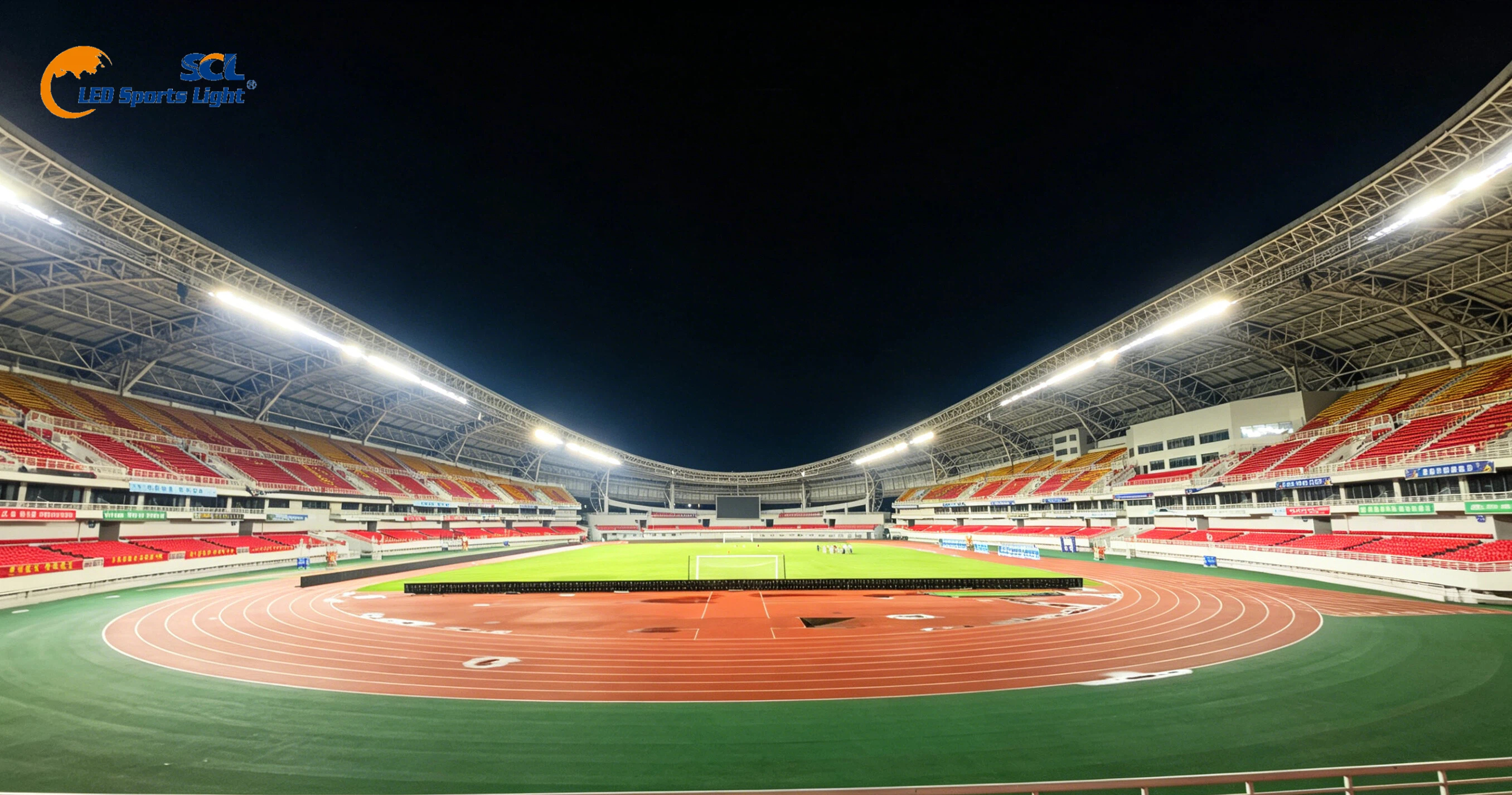
National stadiums hosting FIFA World Cup Qualifiers and continental championship matches have deployed these systems under demanding timelines, successfully meeting stringent international football federation requirements for lighting uniformity, illuminance levels, and broadcast compatibility. Professional football stadiums serving domestic league operations have achieved average illuminance exceeding 1,800 lux with uniformity ratings of 0.90 or higher—specifications that significantly surpass standard requirements and enhance television broadcast quality.
Specialized sports environments present unique technical challenges that underscore the versatility of modern LED lighting platforms. High-altitude training facilities for winter sports require systems that maintain consistent performance in extreme cold and reduced atmospheric pressure—conditions that would compromise traditional lighting technologies. Ice hockey rinks and speed skating ovals demand lighting systems that preserve color accuracy under highly reflective surface conditions while eliminating flicker that could affect athlete timing precision.
The Chinese Manufacturing Advantage
Guangdong Seven Continents Industrial Co., Ltd. (SCL) exemplifies China's growing expertise in professional sports lighting manufacturing. As a specialized technology enterprise, SCL has established itself as a prominent provider of integrated LED sports lighting systems, combining research, development, production, and comprehensive service delivery. The company's participation in drafting technical requirements for LED sports lighting applications positions it as both a market participant and industry standard contributor.
SCL's global footprint spans 58 countries and regions across Southeast Asia, Central Asia, Africa, Australia, and Europe, with installations serving over 20 million sports enthusiasts daily. This extensive deployment provides continuous real-world validation of system performance across diverse climatic zones, sports disciplines, and operational requirements.
The company's technical capabilities are evidenced by a portfolio exceeding 100 invention, utility, and design patents, alongside ISO Quality Management and Environmental Management System certifications. SCL's QDZ Series High-Efficiency LED Sports Lights incorporate the advanced optical and thermal management technologies discussed throughout this analysis, delivering the energy efficiency, visual comfort, and broadcast compatibility that define contemporary stadium lighting requirements.
Comprehensive Service Integration
Beyond hardware manufacturing, leading Chinese suppliers provide integrated service models encompassing professional lighting design, installation guidance, and system commissioning. Pre-sales consultation includes detailed lighting layout calculations that optimize projection angles to maximize uniformity while minimizing light spill into surrounding residential areas—a critical consideration for urban stadium developments.
On-site technical support during installation ensures that theoretical design specifications translate into actual performance outcomes. Professional commissioning services verify that illuminance distribution, glare characteristics, and control system functionality meet specification requirements before facility acceptance. Extended warranty terms spanning 5-10 years provide long-term performance assurance that protects facility investment.
Strategic Considerations for Facility Upgrades
Sports facility managers evaluating lighting system upgrades should prioritize solutions that address multiple performance dimensions simultaneously. Beyond basic illuminance requirements, considerations should include glare control specifications appropriate to the venue's primary sports disciplines, color rendering capabilities aligned with broadcast quality objectives, and intelligent control functionality that enables operational flexibility.
Total cost of ownership calculations must incorporate not only initial capital expenditure but also long-term operational costs, maintenance requirements, and expected system lifespan. High-efficiency LED systems typically achieve payback periods of 2-4 years through energy savings alone, with additional value derived from reduced maintenance labor, improved event quality, and enhanced broadcast revenue potential.
Compliance with international standards represents another essential consideration. Facilities aspiring to host elite competitions must ensure lighting installations meet specifications established by international sports federations and broadcasting organizations—requirements that demand professional design expertise and proven system capabilities.
Conclusion
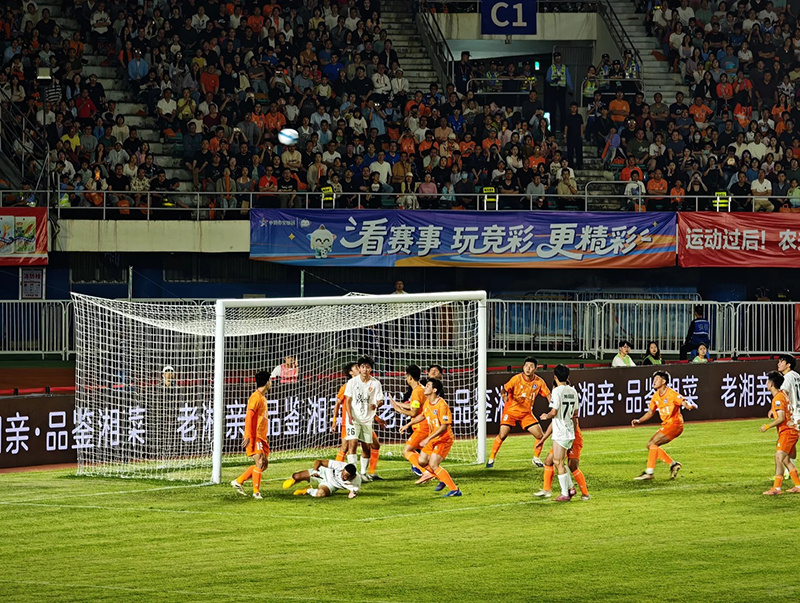
The transformation of stadium lighting from simple illumination to sophisticated, broadcast-optimized systems reflects broader trends in sports facility management toward integrated, high-performance infrastructure. China's emergence as a significant supplier of these advanced solutions demonstrates both technical capability and market responsiveness, delivering systems that address the complex intersection of energy efficiency, visual performance, and broadcasting quality. As sports broadcasting continues its evolution toward higher resolutions and more immersive viewer experiences, the role of precision-engineered lighting systems will only increase in strategic importance for competitive venue operations worldwide.
www.stadiumlight.com
GUANGDONG SEVEN CONTINENTS INDUSTRIAL CO., LTD
About Author


More Stories
China High-Clarity Variable Focus Lens Systems: 2026 Guide
How Active Perfluorohexanone Fire Extinguishing Blankets Help Protect Industrial Equipment
Best OTDR for Long-Haul Trunk Testing in 2026: Top 5 Picks