High-temperature industrial processes demand materials that can withstand extreme heat, thermal shock, and chemical exposure without compromising performance or safety. From metal smelting and ceramic firing to chemical processing and advanced manufacturing, the choice between crucibles and traditional containers plays a critical role in efficiency, product quality, and equipment longevity. Understanding the differences between these options helps engineers and operators select the most suitable solution for their specific applications.
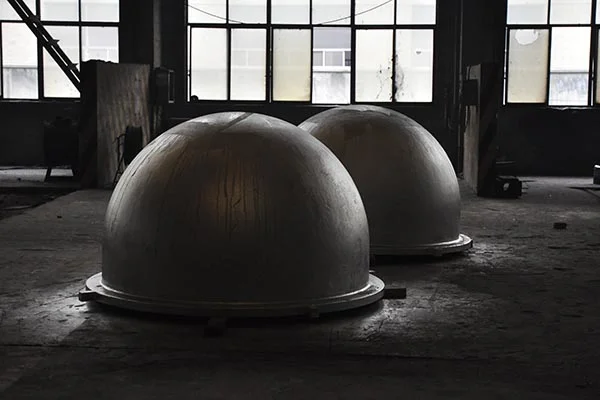
Understanding Crucibles and Traditional Containers
Crucibles are specially designed vessels made to withstand very high temperatures. They are commonly used in metallurgical, ceramic, and chemical processes where materials must be melted, refined, or reacted at elevated temperatures. Crucibles are typically manufactured from refractory materials such as graphite, silicon carbide, high-alumina ceramics, or specialized metal alloys.
Traditional containers, on the other hand, are general-purpose vessels often made from standard metals or alloys. While they may be suitable for moderate heat applications, they are not always engineered to handle sustained extreme temperatures or aggressive thermal cycling.
Key Differences in High-Temperature Performance
1. Temperature Resistance
Crucibles are engineered to endure continuous exposure to extremely high temperatures, often exceeding 1,000°C, without deforming or degrading. Traditional containers usually have lower temperature limits and may warp, oxidize, or lose structural integrity under similar conditions.
2. Thermal Shock Resistance
High-temperature processes often involve rapid heating and cooling. Crucibles are designed to handle thermal shock, minimizing the risk of cracking or failure. Traditional containers are generally more vulnerable to thermal stress, which can lead to shortened service life.
3. Chemical Compatibility
In industries such as metallurgy and chemical processing, materials may react aggressively with container surfaces. Crucibles are made from materials that resist corrosion, oxidation, and chemical attack. Traditional containers may require coatings or frequent replacement to cope with harsh environments.
Material Selection Considerations
When selecting between crucibles and traditional containers, material choice is just as important as design.
-
Ceramic and refractory crucibles offer excellent heat resistance and chemical stability, ideal for non-ferrous metal melting and ceramic applications.
-
Metal crucibles and cast steel components are suitable for processes requiring high mechanical strength and precise dimensional control.
-
Traditional metal containers may be cost-effective for lower-temperature operations but can become inefficient or unsafe in extreme conditions.
Selecting the right material ensures process stability and reduces maintenance and replacement costs over time.
Cost, Durability, and Lifecycle Value
Although crucibles may have a higher upfront cost, their longer service life and reliable performance often result in lower total operating costs. Traditional containers may appear economical initially but can lead to frequent downtime, replacement, and inconsistent results when used beyond their intended temperature range.
Applications Across Heavy Industries
Industries such as metallurgy, cement, mining, ceramics, forging, shipbuilding, and chemical processing all rely on high-temperature equipment and components. In these sectors, precision-engineered crucibles and heat-resistant cast steel parts are essential for maintaining productivity and safety.
China Special Metal Group Limited (CSM) is a trusted supplier of cast steel components for these demanding industries. Serving sectors including metallurgical machinery, cement and mining equipment, building materials machinery, ceramic and forging industries, shipbuilding, and chemical processing, CSM is committed to delivering high-quality cast steel parts, high-precision machined products, and welded fabrications. Their expertise in materials and manufacturing supports high-temperature applications where durability and accuracy are critical.
How to Choose the Right Solution
To select the best option for your high-temperature needs, consider the following:
-
Maximum operating temperature and duration
-
Thermal cycling frequency
-
Chemical exposure and corrosion risks
-
Required mechanical strength and dimensional accuracy
-
Long-term cost efficiency and maintenance requirements
By carefully evaluating these factors, businesses can choose between crucibles and traditional containers with confidence.
Conclusion
When it comes to high-temperature applications, crucibles offer superior heat resistance, durability, and reliability compared to traditional containers. While traditional containers may be suitable for less demanding environments, crucibles and high-quality heat-resistant components provide better long-term performance in extreme conditions.
With experienced suppliers like China Special Metal Group Limited (CSM) supporting a wide range of heavy industries, companies can access reliable cast steel solutions and precision components designed to meet the toughest operational challenges. Selecting the right material and partner ensures safer operations, higher efficiency, and long-term value in high-temperature industrial processes.
www.special-metal.com
China Special Metal Group Limited (CSM)
About Author

More Stories
Can You Upgrade a Football Stadium to LED Sports Lighting Without Replacing Existing Poles?
Night Vision Device: Technology, Performance, and Key Applications
Why Do Metal Expansion Joints Fail After Installation