Introduction
A food metal detector is one of the most important inspection devices in modern food processing plants. It ensures that products are free from metallic contamination, protects consumer safety, and helps manufacturers comply with strict food safety standards such as HACCP, ISO 22000, and BRCGS.
However, like any industrial equipment, a food metal detector system can develop faults over time. These issues may lead to false alarms, reduced sensitivity, unstable readings, or even complete system failure. When this happens, production efficiency drops, downtime increases, and product safety risks rise.
This food metal detector repair guide provides a comprehensive, practical overview of how to diagnose problems, repair common faults, and maintain long-term performance of industrial food metal detectors. Whether you are a technician, factory engineer, or maintenance manager, this guide will help you restore stable operation quickly and effectively.
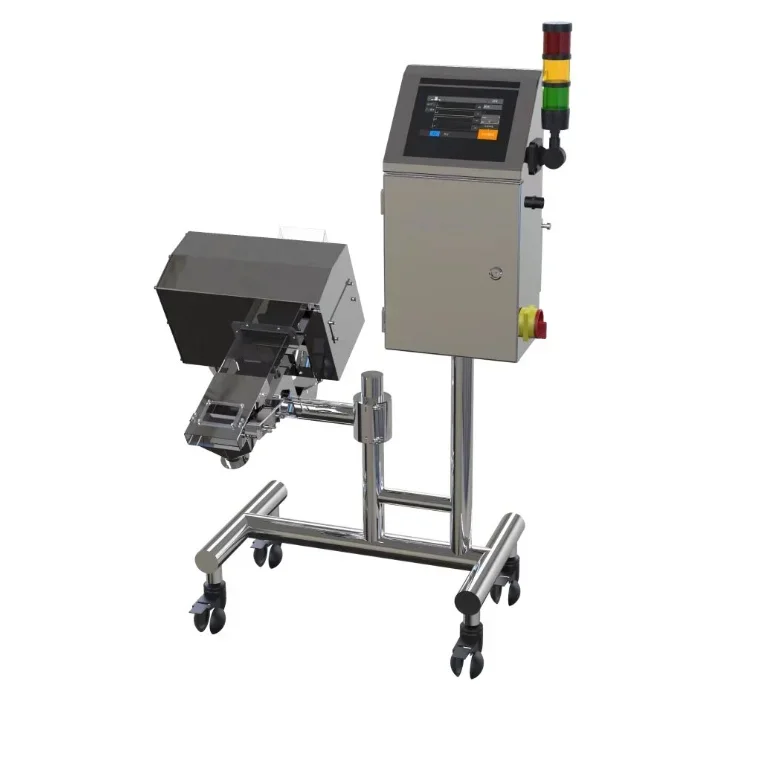
1. Understanding the Structure of a Food Metal Detector System
Before starting any repair work, it is important to understand how an industrial food metal detector is built.
A typical food metal detection system includes:
-
Detection head (coil system)
-
Control unit (signal processor)
-
Conveyor system (or pipeline system)
-
Rejection mechanism (air blast, pusher, or flap system)
-
Power supply and grounding system
Each component plays a critical role. A fault in any single part can affect the performance of the entire food metal detector system.
2. Common Problems in Food Metal Detectors
Most repair cases fall into several common categories. Understanding these issues helps speed up diagnosis.
2.1 False Alarms
One of the most frequent problems in food metal detectors is false alarms.
Symptoms:
-
Detector triggers without metal presence
-
Frequent rejection of good products
-
Unstable detection signal
Possible causes:
-
Product effect interference
-
Electrical noise
-
Improper sensitivity settings
-
Conveyor vibration
2.2 Missed Metal Detection
This is a serious safety issue where the food metal detection system fails to detect actual contaminants.
Symptoms:
-
Metal test pieces pass undetected
-
Inconsistent detection results
Possible causes:
-
Incorrect calibration
-
Damaged coil system
-
Low sensitivity settings
-
Internal circuit failure
2.3 System Instability
Symptoms:
-
Fluctuating baseline signal
-
Frequent recalibration required
-
Unpredictable behavior
Possible causes:
-
Poor grounding
-
Temperature or humidity changes
-
Electrical interference
2.4 Conveyor or Rejection Failure
Even if the food metal detector works correctly, failure in rejection systems can cause contamination risks.
3. Step-by-Step Food Metal Detector Repair Process
When troubleshooting a faulty food metal detector system, follow a structured repair process.
Step 1: Perform Basic Inspection
Start with a visual and operational inspection.
Check:
-
Power supply stability
-
Loose cables or connectors
-
Conveyor belt condition
-
Physical damage to detection head
-
Error messages on control panel
Many issues in food metal detectors are caused by simple mechanical or electrical faults.
Step 2: Check Grounding and Electrical Supply
Poor grounding is one of the most common causes of instability in industrial food metal detectors.
What to check:
-
Ground wire properly connected
-
Resistance within acceptable range
-
No shared grounding with heavy machinery
-
Stable voltage supply
Repair action:
-
Reconnect grounding system
-
Use dedicated earth line
-
Install voltage stabilizer if needed
Step 3: Recalibrate the Food Metal Detector
Calibration is essential for stable operation of any food metal detection system.
Calibration steps:
-
Run system warm-up (10–20 minutes)
-
Use standard test pieces (Fe, non-Fe, stainless steel)
-
Adjust sensitivity based on product type
-
Perform auto-learn function if available
-
Test across full conveyor width
Incorrect calibration is a leading cause of both false alarms and missed detections.
Step 4: Inspect the Coil System
The detection head is the core of every food metal detector.
Signs of coil damage:
-
Permanent instability
-
No response to test pieces
-
Irregular signal noise
Repair actions:
-
Clean dust and residue inside detection tunnel
-
Check for physical damage or deformation
-
Inspect internal wiring connections
-
Replace coil module if necessary
Coil failure usually requires professional servicing or factory replacement.
Step 5: Check Conveyor System Stability
Vibration is a hidden but serious issue in food metal detectors.
What to inspect:
-
Belt alignment
-
Motor vibration
-
Loose mounting bolts
-
Metal parts in conveyor structure
Fixes:
-
Tighten mechanical components
-
Replace worn conveyor belts
-
Use anti-vibration mounts
A stable conveyor is essential for accurate detection.
Step 6: Eliminate Electrical Interference
Electromagnetic interference can seriously affect food metal detection systems.
Sources:
-
Nearby motors
-
Frequency converters
-
Welding machines
-
Poor cable shielding
Repair solutions:
-
Relocate food metal detector away from interference sources
-
Use shielded cables
-
Improve electrical isolation
-
Install EMI filters if needed
Step 7: Adjust Sensitivity Settings
Incorrect sensitivity is a major cause of operational problems.
If false alarms occur:
-
Reduce sensitivity slightly
-
Use product-specific presets
-
Re-run auto-learning calibration
If detection is weak:
-
Gradually increase sensitivity
-
Re-test using standard metal samples
Balancing sensitivity is key to stable food metal detector performance.
Step 8: Inspect Rejection System
A properly working food metal detection system must also remove contaminated products.
Check:
-
Air pressure (for air blast systems)
-
Pusher mechanism timing
-
Sensor synchronization
-
Conveyor speed matching
Fix:
-
Clean air nozzles
-
Adjust timing delays
-
Replace worn pneumatic components
Step 9: Software and Control Unit Diagnosis
Modern industrial food metal detectors often use digital control systems.
Possible issues:
-
Software glitches
-
Corrupted settings
-
Faulty control board
Solutions:
-
Restart system and reset parameters
-
Restore factory settings
-
Update firmware if available
-
Replace control PCB if necessary
4. Preventive Maintenance for Food Metal Detectors
Repairing a food metal detector is important, but preventing failures is even better.
Recommended maintenance schedule:
Daily:
-
Clean conveyor and detection area
-
Check alarm logs
Weekly:
-
Test with standard metal samples
-
Inspect grounding connections
Monthly:
-
Full calibration check
-
Conveyor inspection
Quarterly:
-
Deep cleaning of detection head
-
Electrical system inspection
5. Common Repair Mistakes to Avoid
Many technicians make mistakes that worsen problems in food metal detectors.
Avoid:
-
Over-adjusting sensitivity randomly
-
Ignoring grounding issues
-
Skipping calibration steps
-
Replacing parts without diagnosis
-
Using non-standard test samples
A structured approach is always more effective than trial-and-error.
6. When to Call Professional Repair Service
Some issues cannot be solved on-site.
Call professional support if:
-
Coil system is damaged
-
Control board failure occurs
-
Persistent false alarms remain after calibration
-
Detection inconsistency continues
Manufacturers of food metal detection systems usually provide technical support or replacement modules.
Conclusion
A food metal detector repair process requires systematic troubleshooting, proper understanding of system structure, and careful calibration. Most issues in food metal detectors are not caused by severe hardware failure but by environmental factors, incorrect settings, or lack of maintenance.
By following a structured repair guide—covering grounding, calibration, coil inspection, conveyor stability, and electrical interference—you can significantly improve system reliability and reduce downtime.
A well-maintained food metal detection system not only ensures product safety but also improves production efficiency and long-term operational stability
www.vixdetect.net
vixdetect
About Author


More Stories
Light Crane Systems: A Practical Approach to Flexible Industrial Material Handling
How an Inflatable Sealing Air Bag Helps Keep Powder Packaging Clean
How a Solar-Plus-Storage Microgrid Cuts Diesel Fuel Consumption