In today's increasingly sophisticated electronic systems, dependable connectivity is essential for maintaining stable operation. From aerospace and military equipment to industrial automation, communication systems, and test instruments, connectors are responsible for maintaining continuous electrical and signal connections between different components. Among the various interconnection solutions available, the J30J Series Rectangular Connector stands out for its compact structure, high-density configuration, and reliable performance.
For engineers, system integrators, and equipment manufacturers, connector selection involves more than simply finding a component that fits. The right connector needs to satisfy electrical, mechanical, environmental, and installation requirements while also supporting reasonable lifecycle costs. With its compact design and durable construction, the J30J series offers a practical option for applications where installation space is limited but connection reliability remains a priority.
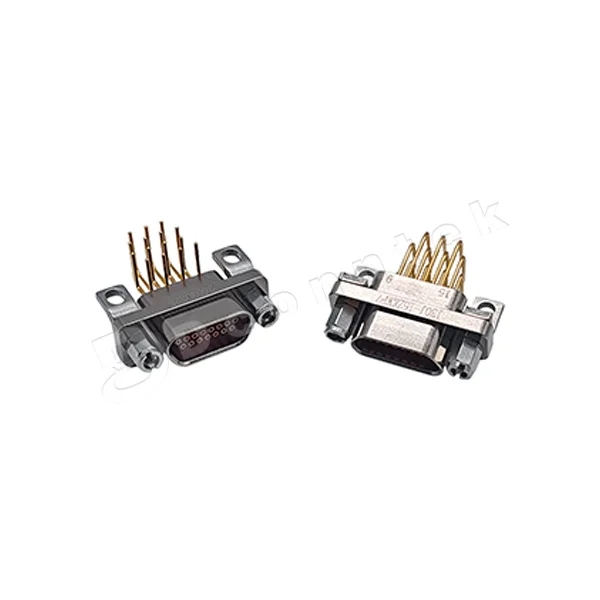
What Is the J30J Series Rectangular Connector?
The J30J series is a micro rectangular connector designed for high-density electronic equipment. Its compact form factor allows manufacturers to accommodate multiple electrical contacts within a relatively small installation area.
Compared with conventional connector designs that may require more installation space, J30J connectors can help equipment manufacturers achieve a more compact internal layout while maintaining dependable electrical and mechanical connections.
Typical application areas include:
-
Military electronic equipment
-
Aerospace systems
-
Radar equipment
-
Communication devices
-
Navigation systems
-
Industrial control equipment
-
Medical instruments
-
Railway electronic systems
As electronic products become increasingly compact and integrated, designers face greater pressure to make efficient use of internal space. A high-density connector such as the J30J series can help address this challenge by combining multiple contacts with a space-efficient rectangular configuration.
For detailed product information and available configurations, engineers can refer to the J30J Series Rectangular Connectors.
Why Connector Reliability Is So Important
Connectors are relatively small components compared with the complete electronic system, but their performance can directly affect the reliability of the equipment.
An unreliable connection may lead to problems such as:
-
Unstable signal transmission
-
Intermittent electrical faults
-
Additional maintenance work
-
Unexpected equipment downtime
-
Shortened equipment service life
-
Potential operational and safety concerns
These issues become particularly important in aerospace, defense, transportation, and other applications where equipment must operate continuously under demanding conditions. In an industrial production environment, for example, a connection failure in a control system could interrupt an entire production process.
For this reason, connectors need to provide consistent electrical contact as well as sufficient mechanical strength. The J30J series is designed around these requirements, providing a dependable interconnection solution for applications where stable performance is important.
Main Advantages of J30J Series Connectors
Compact Structure for High-Density Applications
Space efficiency is one of the major considerations in modern electronic equipment design.
As manufacturers add more functions to smaller devices, internal components must be arranged more efficiently. The compact design of J30J connectors allows engineers to achieve a high contact density without requiring excessive installation space.
This can provide several practical advantages:
-
More compact equipment designs
-
Higher component integration
-
More efficient PCB and wiring layouts
-
Greater flexibility when arranging internal components
For aerospace equipment, portable electronic devices, embedded systems, and other space-constrained applications, these characteristics can make connector integration easier.
Stable Electrical Performance
Reliable electrical contact is essential for maintaining consistent system operation. A connector needs to maintain a stable connection throughout its operating life rather than only performing well during initial installation.
J30J series connectors are designed to support reliable electrical transmission through characteristics such as:
-
Stable contact performance
-
Low contact resistance
-
Consistent signal transmission
-
Reduced risk of connection-related signal problems
These features make the series suitable for systems that handle control signals, communication signals, instrumentation, and other electronic connections requiring dependable performance.
Resistance to Vibration and Mechanical Stress
Electronic equipment used in aircraft, vehicles, rail systems, and industrial machinery may experience continuous vibration or occasional mechanical shock.
A connector that becomes loose or loses reliable contact under these conditions can compromise the entire system. J30J connectors incorporate secure mating and contact retention features intended to help maintain reliable connections in mechanically demanding environments.
This is particularly useful for:
-
Aircraft electronics
-
Military equipment
-
Railway systems
-
Industrial machinery
-
Vehicle-mounted electronic systems
By maintaining a secure connection during operation, the connector can contribute to improved equipment stability and reduced service interruptions.
Designed for Long-Term Use
Connector replacement can involve more than the cost of the component itself. In many systems, maintenance personnel may need to disassemble equipment, interrupt operation, or access difficult-to-reach installation locations.
For this reason, connector durability and mating performance should be considered during product development.
The J30J series is designed for repeated connection and disconnection while maintaining its electrical and mechanical characteristics. This can help manufacturers and equipment operators reduce unnecessary maintenance and improve long-term equipment availability.
Potential benefits include:
-
Fewer replacement requirements
-
Reduced maintenance workload
-
Lower spare-component requirements
-
Better equipment availability
-
Improved lifecycle efficiency
Looking at Cost-Effectiveness from a Lifecycle Perspective
The purchase price of a connector is only one part of the overall cost. For industrial and professional equipment, a more meaningful evaluation should also consider maintenance, downtime, replacement, and service requirements over the operating life of the system.
J30J connectors can contribute to overall cost efficiency in several ways.
Minimizing Unplanned Downtime
Unexpected equipment interruptions can create costs that are significantly higher than the price of an individual connector.
Production delays, troubleshooting, replacement work, and system restarts can all affect operational efficiency.
By using reliable interconnection components, manufacturers can reduce the possibility of connection-related interruptions and improve overall system availability.
Simplifying Maintenance
A connector that maintains stable performance over time can reduce the frequency of maintenance interventions.
For maintenance teams, this may mean:
-
Fewer routine replacements
-
Lower spare-parts consumption
-
Easier fault diagnosis
-
More efficient maintenance planning
When equipment is deployed in large quantities or operates continuously, even small improvements in maintenance efficiency can become significant over the full product lifecycle.
Supporting Overall Equipment Quality
The reliability of an electronic system depends on the performance of many individual components. Connectors are part of this chain and should therefore be selected according to the same quality expectations applied to other critical components.
Reliable connectors can help manufacturers achieve:
-
More consistent equipment operation
-
Fewer connection-related service issues
-
Lower after-sales support requirements
-
Better customer experience
For OEMs, dependable connectivity can therefore become part of the overall product quality strategy.
Where J30J Series Connectors Are Used
Aerospace Applications
Aerospace electronics often operate under demanding mechanical and environmental conditions. Equipment may need to withstand vibration, temperature changes, and extended operating periods while maintaining stable electrical connections.
J30J connectors can be used in areas such as:
-
Avionics equipment
-
Navigation systems
-
Flight control electronics
-
Aircraft communication systems
Their compact design can also help engineers manage installation space and reduce unnecessary bulk in electronic assemblies.
Military and Defense Electronics
Military equipment frequently requires reliable components that can perform consistently in challenging operating environments.
J30J connectors can be incorporated into systems such as:
-
Tactical communication equipment
-
Radar systems
-
Electronic equipment
-
Military vehicle electronics
Their compact and robust configuration makes them suitable for applications where equipment size, connection reliability, and mechanical durability all need to be considered.
Industrial Automation Systems
Automation equipment depends on reliable electrical connections between controllers, sensors, actuators, and other components.
J30J connectors may be used in:
-
PLC systems
-
Motion control equipment
-
Robotic systems
-
Industrial sensors
-
Monitoring and control equipment
Their compact dimensions can also help engineers optimize crowded control cabinets and machine interiors.
Medical and Laboratory Equipment
Electronic medical and laboratory instruments rely on stable electrical connections for communication, control, monitoring, and measurement functions.
Potential applications include:
-
Diagnostic equipment
-
Imaging systems
-
Monitoring instruments
-
Laboratory equipment
In these systems, connector reliability can support consistent equipment operation and help reduce interruptions caused by connection problems.
How to Select the Appropriate J30J Connector
Choosing a connector should begin with the actual requirements of the equipment rather than simply selecting a product based on size or appearance.
Several factors should be evaluated during the selection process.
Determine the Required Contact Count
The number of electrical circuits directly affects the required connector configuration. Engineers should determine how many contacts are needed for the current design and consider whether additional capacity may be useful for future product revisions.
Check Electrical Requirements
Electrical characteristics should be matched with the application requirements, including:
-
Current requirements
-
Operating voltage
-
Signal type
-
Contact configuration
-
Shielding requirements where applicable
The connector should be evaluated as part of the complete electrical system rather than as an isolated component.
Consider the Operating Environment
Environmental conditions can significantly affect connector performance.
Before selecting a connector, consider factors such as:
-
Operating temperature
-
Humidity
-
Vibration
-
Mechanical shock
-
Installation environment
Applications exposed to harsh mechanical or environmental conditions may require greater attention to connector construction and retention performance.
Review Installation and Maintenance Conditions
Physical installation requirements are equally important.
Engineers should examine:
-
Available installation space
-
Mounting method
-
Cable direction and routing
-
Access for maintenance
-
Mating and unmating requirements
A connector may meet the electrical specifications but still create practical problems if it is difficult to install or service.
Why an Experienced Connector Supplier Matters
Selecting a suitable connector is only one part of developing a dependable interconnection system. Manufacturing consistency, engineering support, quality management, and application knowledge can also influence the final result.
Dconntek is a designer and assembler of custom-engineered connectors and cable solutions for demanding environments. The company works with customers to develop connector and cable solutions based on specific application requirements, with an emphasis on product quality, delivery performance, and customer support.
For applications involving unusual environmental conditions, space limitations, or specific electrical requirements, working with an experienced engineering team can make the selection and development process more efficient.
Instead of relying solely on standard specifications, application-focused engineering allows connector solutions to be considered in relation to actual operating conditions. This can help manufacturers achieve a better balance between performance, installation requirements, durability, and lifecycle considerations.
Developing Trends in Compact Rectangular Connectors
The continued development of smaller, smarter, and more integrated electronic systems is creating new requirements for connector technology.
Future connector designs are expected to focus on areas such as:
-
Higher contact density
-
Improved signal integrity
-
Greater environmental durability
-
More flexible installation options
-
Smaller and lighter system designs
These trends are particularly relevant to aerospace, defense, industrial automation, communications, transportation, and other advanced electronic applications.
With its compact form factor and high-density configuration, the J30J series fits many of the requirements associated with modern equipment miniaturization and system integration.
Conclusion
The J30J Series Rectangular Connector provides a practical interconnection solution for electronic systems that require a combination of compact size, reliable electrical performance, mechanical durability, and long-term service capability.
Its high-density configuration makes efficient use of limited installation space, while its reliable contact structure and resistance to mechanical stress support stable operation in demanding applications. These characteristics allow J30J connectors to be considered for aerospace, defense, industrial automation, medical equipment, railway electronics, communication systems, and other professional applications.
When selecting connectors, manufacturers should look beyond the initial procurement cost and consider the complete lifecycle of the equipment. A reliable connector can help reduce maintenance requirements, limit connection-related downtime, and support consistent equipment performance over time.
For projects where space efficiency and dependable connectivity are both essential, the J30J Series Rectangular Connector offers a balanced option for modern electronic equipment design. Working with an experienced connector supplier can further help engineers identify an appropriate configuration and develop an interconnection solution that matches the actual requirements of the application.
www.dconntek.com
Dconntek
About Author

More Stories
Solar Controller Supplier for PV Distributors in 2026
Hydraulic Drilling Machine vs. Conventional Drilling: What Pipeline Operators Need to Know
Custom Chemical Injection Skids for Different Industrial Applications