As industries continue to demand cleaner water, higher production standards, and more sustainable operations, membrane treatment systems have become an increasingly important part of industrial and commercial filtration processes. Whether in beverage manufacturing, pharmaceutical production, or precision industrial applications, these systems provide highly efficient purification solutions that traditional filtration methods often cannot match.
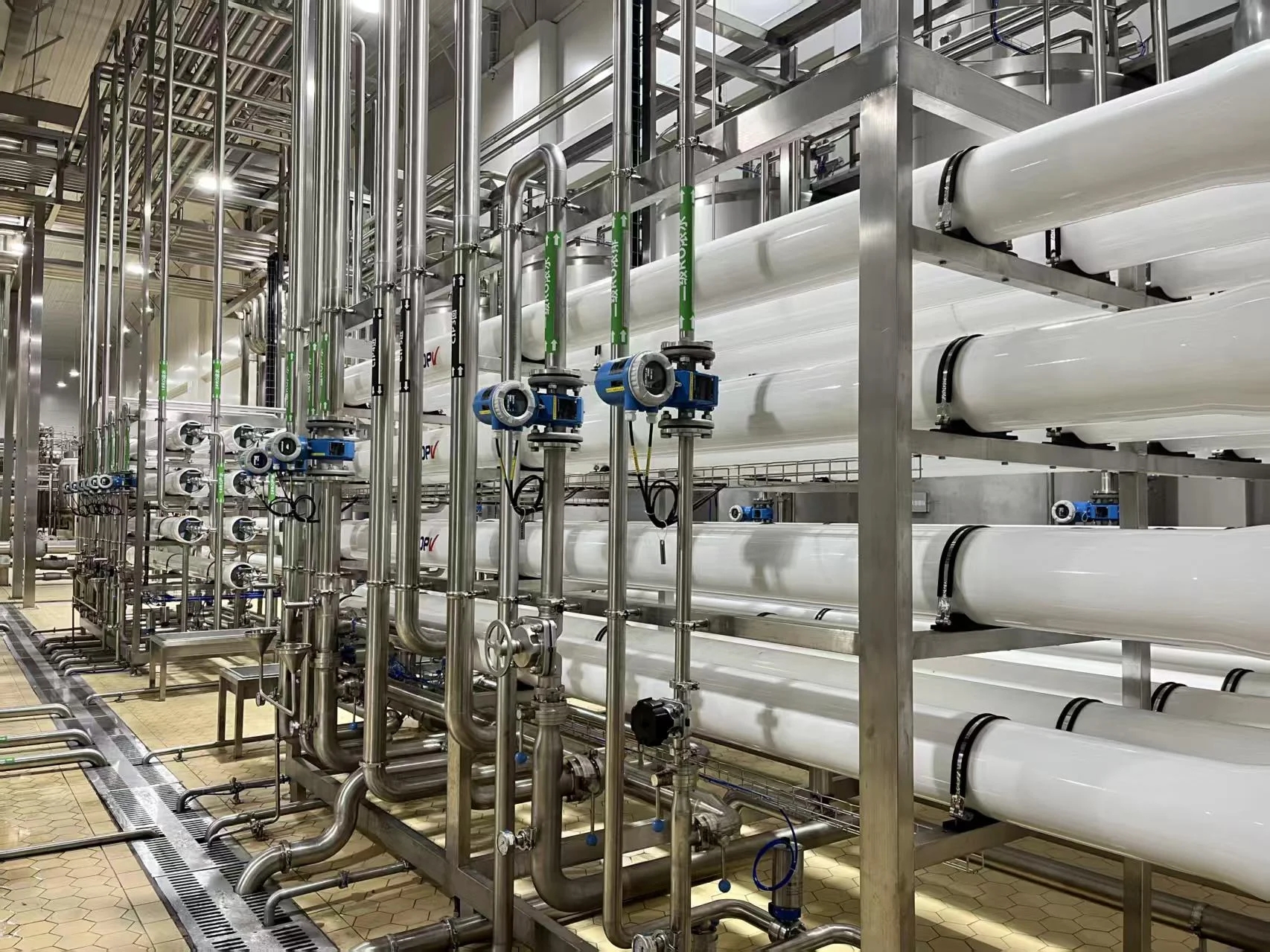
What Is a Membrane Treatment System?
A membrane treatment system uses semi-permeable membrane technology to separate contaminants from liquids. Instead of relying only on mechanical filtration or chemical processing, membrane filtration works on a microscopic or molecular scale, allowing purified water to pass through while blocking unwanted particles, microorganisms, and dissolved substances.
Different membrane technologies are designed for different purification needs:
-
Microfiltration (MF): Removes suspended particles, sediments, and bacteria.
-
Ultrafiltration (UF): Filters viruses, colloids, and larger organic molecules.
-
Nanofiltration (NF): Commonly used for water softening and selective ion removal.
-
Reverse Osmosis (RO): Produces extremely pure water by eliminating most dissolved salts and contaminants.
Each method serves a unique role depending on the purity level required for industrial operations.
Key Benefits of Membrane Filtration Systems
Superior Filtration Performance
Membrane systems deliver stable and consistent water quality, making them ideal for industries where precision is critical. By effectively removing microorganisms, fine particles, and dissolved impurities, these systems help prevent contamination and scaling problems during production.
Eco-Friendly Operation
Compared with conventional treatment processes, membrane filtration often requires fewer chemicals, helping reduce environmental impact and operational hazards. Many systems are also engineered to minimize water waste and improve energy efficiency, supporting sustainable manufacturing goals.
Flexible and Expandable Design
Membrane treatment equipment can be customized for both small production facilities and large-scale industrial plants. Their modular structure allows businesses to expand capacity or integrate new processing stages as operational needs grow.
Long-Term Economic Advantages
Although membrane systems may involve higher initial installation costs, they often reduce long-term operational expenses through lower chemical consumption, reduced maintenance, improved efficiency, and extended equipment lifespan.
Importance in Beverage Manufacturing
Water quality directly influences the taste, safety, and consistency of beverages. Even minor impurities can affect flavor stability, shelf life, and regulatory compliance. As a result, advanced membrane filtration has become an essential component in beverage production lines.
Shenzhen-based Pengxiang Huixing specializes in integrated beverage production and water treatment solutions, offering systems that include water purification, beverage pre-treatment, PET blow molding, filling and capping equipment, labeling systems, conveying equipment, and packaging lines.
By incorporating membrane treatment technology into beverage operations, manufacturers can achieve:
-
Stable Product Quality: Removal of chlorine, organic compounds, and unwanted minerals improves beverage taste and consistency.
-
Reduced Equipment Downtime: Cleaner water helps minimize microbial growth and scale accumulation in pipelines and machinery.
-
Compliance with International Standards: High-purity process water supports food safety and beverage quality regulations worldwide.
Smart Manufacturing Integration
As factories continue moving toward automation and digital management, membrane treatment systems are increasingly integrated into smart manufacturing environments.
Pengxiang Huixing focuses on intelligent workshop planning and automated production integration, allowing membrane systems to work seamlessly alongside filling, packaging, and logistics equipment.
Key advantages of smart integration include:
-
Real-Time System Monitoring: IoT sensors continuously track water quality, pressure, and system performance.
-
Predictive Maintenance: Data analysis helps identify membrane fouling or wear before failures occur.
-
Improved Production Coordination: Water treatment operations can synchronize with downstream production processes to enhance overall efficiency.
Maintenance and Cleaning Practices
Proper maintenance is essential for ensuring long-term membrane performance and system reliability. Automated cleaning systems and industrial sanitation solutions can greatly reduce manual labor while improving operational safety.
Common maintenance procedures include:
-
Backwashing: Removes accumulated particles and helps extend membrane lifespan.
-
Chemical Cleaning: Specialized cleaning agents eliminate scaling and membrane fouling when necessary.
-
Routine System Inspections: Monitoring pressure levels, flow rates, and water quality helps maintain stable operation.
With consistent maintenance, businesses can ensure hygienic production conditions and reliable filtration performance.
Industry Experience and Global Presence
With more than two decades of experience in beverage packaging and water treatment technologies, Pengxiang Huixing has developed a strong international reputation for integrated industrial solutions. Their equipment has been exported to multiple countries including the UAE, Vietnam, Oman, Malaysia, and the Philippines, while also serving customers across numerous provinces in China.
Their comprehensive capabilities cover everything from water treatment systems to complete beverage packaging lines, helping clients streamline production while maintaining high quality standards.
Why Businesses Choose Advanced Membrane Systems
Modern membrane treatment technology offers a combination of precision, efficiency, and sustainability that is difficult to achieve with traditional filtration methods alone. Pengxiang Huixing’s integrated approach provides businesses with complete production support, including:
-
Advanced filtration technology
-
End-to-end production integration
-
Smart factory compatibility
-
Certified quality management systems
-
Continuous technological innovation
This combination enables manufacturers to improve operational performance while maintaining product safety and production consistency.
Conclusion
Membrane treatment systems have become a vital solution for industries that depend on clean, reliable, and high-quality water. Their ability to provide precise filtration, reduce environmental impact, and integrate with intelligent manufacturing systems makes them an essential investment for modern production facilities.
For beverage manufacturers and industrial operations alike, adopting advanced membrane filtration technology can improve efficiency, ensure compliance, and enhance product quality. Companies such as Pengxiang Huixing continue to drive innovation in this field by delivering complete, smart, and sustainable water treatment solutions for global markets.
www.szpxhx.com
Pengxiang Huixing
About Author

More Stories
How a Solar-Plus-Storage Microgrid Cuts Diesel Fuel Consumption
How Automated VRLA Battery Making Machines Improve Production Consistency
What are the advantages and application scenarios of hollow nail instruments?