As industrial automation continues to evolve, process control requirements are becoming increasingly sophisticated. Traditional pneumatic actuators are designed to provide two operating states—fully open and fully closed. While this approach works well for many applications, industries such as chemical processing, water treatment, food production, pharmaceutical manufacturing, and energy systems often require more flexible flow control.
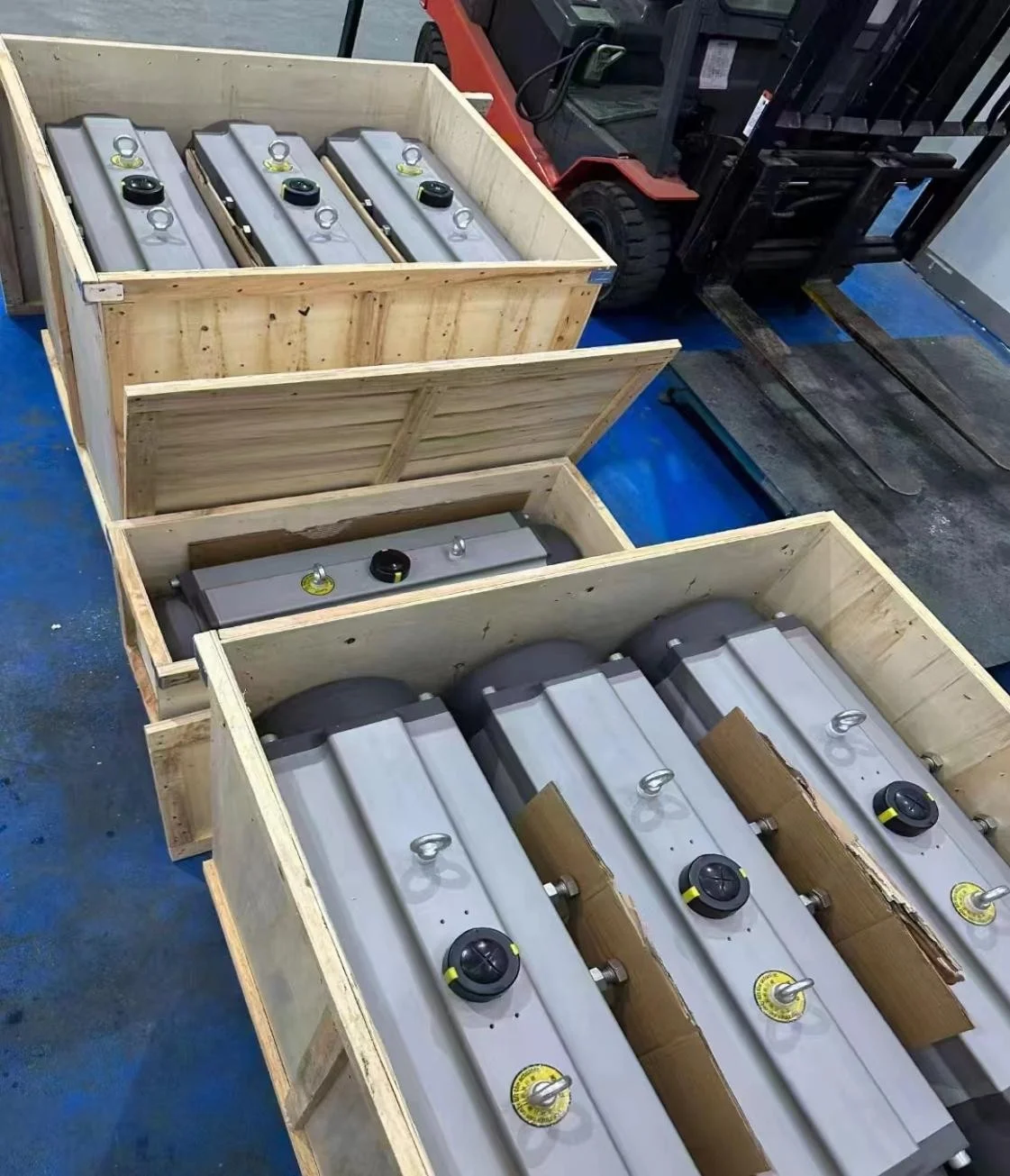
This demand has driven the adoption of the 3 position pneumatic actuator, a solution that allows valves to operate at three predefined positions rather than simply switching between open and closed states. By introducing an intermediate position, manufacturers can achieve improved process control, enhanced operational efficiency, and reduced system complexity.
For facilities seeking to optimize flow management without investing in expensive continuous-control actuators, the 3 position pneumatic actuator has become an attractive alternative.
Understanding the Working Principle
A standard pneumatic actuator typically converts compressed air into rotational motion, moving a valve between two end positions.
A 3 position pneumatic actuator adds an additional mechanical and pneumatic control mechanism that enables the actuator to stop at a predetermined intermediate angle.
Common operating positions include:
-
Fully closed (0°)
-
Intermediate position (typically 45° or customized)
-
Fully open (90°)
Depending on application requirements, intermediate positions can be customized to achieve specific flow characteristics.
This capability allows operators to regulate process conditions more effectively without requiring complex modulating control systems.
Why Intermediate Positioning Matters
Many industrial processes do not require continuous valve modulation but still benefit from partial flow control.
Consider a chemical dosing system where operators need:
-
Full flow during production startup
-
Partial flow during normal operation
-
Complete shutoff during maintenance
Using a conventional on-off actuator often requires additional valves and piping arrangements to achieve these conditions.
A 3 position pneumatic actuator simplifies the system by integrating multiple operating modes into a single automated valve assembly.
The result is reduced equipment complexity and lower installation costs.
Improved Process Stability
Flow fluctuations can negatively affect production quality and energy efficiency.
The intermediate position offered by a 3 position pneumatic actuator provides a stable operating point between fully open and fully closed states.
This feature is particularly useful in applications involving:
-
Water treatment systems
-
Cooling water circulation
-
Chemical dosing lines
-
Steam distribution networks
-
Air handling systems
By maintaining a repeatable partial-opening position, the actuator helps stabilize process parameters and reduce unnecessary system adjustments.
Energy Savings Through Better Flow Management
Many industrial systems are designed to handle peak demand conditions, yet they operate at reduced capacity for much of their lifecycle.
Running a valve fully open when only partial flow is required can increase:
-
Pump energy consumption
-
Pressure fluctuations
-
Equipment wear
A 3 position pneumatic actuator enables more efficient flow regulation, allowing systems to operate closer to actual demand requirements.
Over time, this can contribute to meaningful reductions in energy consumption and operating costs.
Integration with Automated Valve Systems
Modern industrial facilities increasingly rely on automated valve packages rather than standalone components.
A typical automated valve assembly may include:
-
Pneumatic actuator
-
Solenoid valve
-
Limit switch box
-
Air filter regulator
-
Position feedback device
-
Manual override mechanism
The 3 position pneumatic actuator integrates seamlessly into these systems and can be controlled using standard PLC or DCS platforms.
This simplifies installation while providing greater operational flexibility.
Applications Across Multiple Industries
The versatility of the 3 position pneumatic actuator makes it suitable for a wide range of industries.
In water treatment facilities, intermediate positioning allows operators to optimize flow distribution across filtration systems.
In chemical plants, controlled valve positioning helps maintain dosing accuracy and process stability.
Food and beverage manufacturers use partial valve opening to regulate product transfer and cleaning cycles.
Energy facilities benefit from improved steam and cooling water management.
These applications demonstrate that the value of a 3 position actuator extends beyond simple valve automation.
Choosing the Right 3 Position Pneumatic Actuator
Selecting the correct actuator requires careful evaluation of application requirements.
Important considerations include:
-
Valve type and size
-
Required torque output
-
Operating pressure range
-
Environmental conditions
-
Desired intermediate position angle
-
Control system compatibility
Actuator torque should always exceed valve operating torque with an appropriate safety margin.
For larger ball valves and butterfly valves, torque requirements can vary significantly depending on pressure conditions and media characteristics.
The Importance of Reliable Manufacturing
Long-term actuator performance depends heavily on design quality, machining precision, and manufacturing consistency.
Zhejiang Maikailun Automatic Control Valve Co., Ltd. specializes in pneumatic actuators, automated valves, and valve control accessories. Its product portfolio includes rack-and-pinion actuators, scotch yoke actuators, stainless steel pneumatic actuators, hydraulic actuators, and complete valve automation solutions.
With actuator sizes ranging from φ32 mm to φ400 mm and torque outputs from 5 Nm to 50,000 Nm, the company provides solutions suitable for both light-duty automation and heavy industrial applications.
Conclusion
The growing adoption of the 3 position pneumatic actuator reflects the increasing need for flexible and cost-effective process control.
By introducing a repeatable intermediate position, these actuators enable improved flow management, reduced system complexity, enhanced process stability, and greater energy efficiency.
For industries seeking a practical alternative between basic on-off control and expensive modulating systems, the 3 position pneumatic actuator offers an effective balance of performance, reliability, and automation capability.
www.maikailunvalve.com
Zhejiang Maikailun Automatic Control Valve Co . , Ltd
About Author

More Stories
FUJIAN TITLE ENGINE POWER CO., LTD. Unveils Cost-Effective Diesel Generator Solutions for Industry Trends
Taizhou Huimeng Metal Products Co., Ltd. Unveils Innovative Check Valve Technology for Industry Advancement
Custom Stainless Steel Filter Housings: Who Leads in 2026?