Selecting the right LED tape light manufacturer is a key step for lighting distributors, wholesalers, contractors, and commercial project developers. A dependable supplier does more than provide lighting products. It helps ensure consistent quality, supports project-specific requirements, minimizes installation risks, and contributes to long-term business growth. With numerous manufacturers offering comparable LED lighting solutions, finding a partner with reliable production capabilities and professional technical support requires a thorough evaluation.
Price and product specifications are important, but they should not be the only factors influencing your decision. Manufacturing experience, quality management, technical expertise, product customization, and customer service all play a significant role in determining whether a supplier can meet your expectations over time.
LED Tape Light Manufacturer
This article outlines seven important factors to consider when evaluating an LED tape light manufacturer, helping you make a more informed decision for your sourcing and lighting projects.
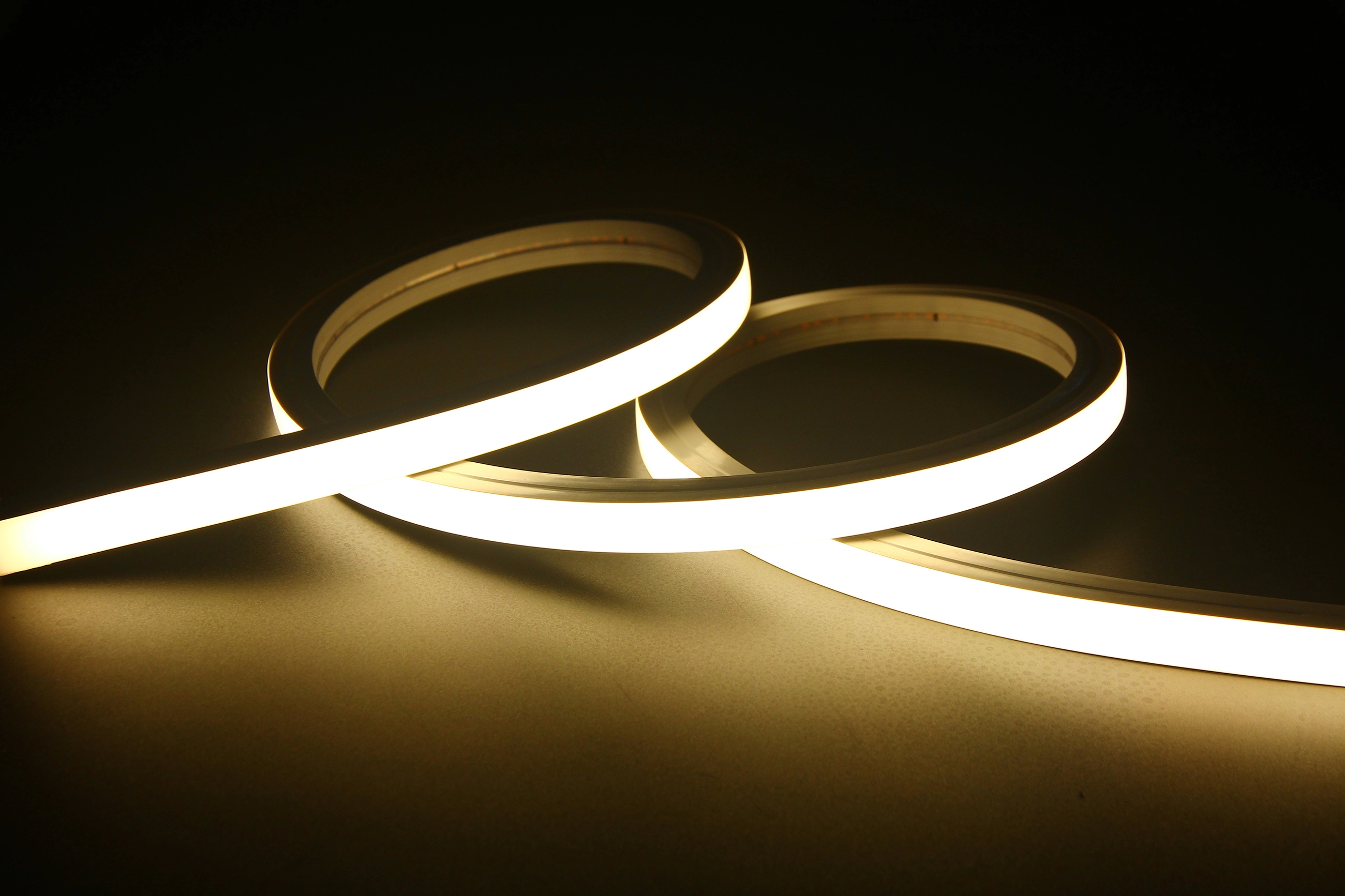
1. Review the Manufacturer's Product Portfolio
The first step in evaluating a potential supplier is understanding the range of lighting products it can provide. An experienced LED tape light manufacturer should offer multiple product solutions to accommodate different installation conditions, design preferences, and lighting applications.
A comprehensive product portfolio may include flexible LED strip lights, LED neon flex, flexible LED wall washers, and aluminum linear lighting systems.
Although these products share similar lighting functions, their applications and structural characteristics differ. Flexible LED strips are commonly installed in kitchen cabinets, ceiling recesses, display shelves, and decorative spaces. LED neon flex is suitable for signage, architectural contours, and installations that require smooth, continuous illumination. Flexible wall washers are developed to distribute light across building surfaces, while aluminum linear lighting provides a more structured option for commercial and architectural environments.
Established in 2015, Quanhe Lighting Co., Ltd. focuses on the development and production of high-end linear lighting solutions. Its product selection includes these major categories, allowing customers to source lighting products for residential, commercial, architectural, and outdoor projects.
When comparing suppliers, check whether their existing products correspond to your target applications and customer requirements. Request detailed product catalogs, technical specifications, installation guidelines, dimensional information, and compatibility details for drivers and control systems.
A manufacturer with a suitable product range can simplify purchasing, improve sourcing efficiency, and make it easier to expand your lighting business into additional application markets.
2. Assess Technical Expertise and Product Customization
Not every lighting installation can be completed using standard specifications. Commercial and architectural projects may require customized product lengths, specific color temperatures, different beam distributions, particular bending orientations, or enhanced environmental protection.
For this reason, technical flexibility is an important consideration when choosing an LED tape light manufacturer. The supplier should be capable of explaining available customization options, technical restrictions, and the performance implications of different product configurations.
Consider several practical examples. A hotel development may require uniform warm-white lighting across guest rooms and public areas. Outdoor signage projects may need weather-resistant neon flex, whereas architectural facade installations may depend on flexible wall washers with controlled illumination angles.
Before placing an order, discuss the following technical parameters:
-
Electrical performance: Check rated voltage, power consumption, operating current, and driver compatibility.
-
Optical characteristics: Evaluate brightness, color temperature, CRI, and color consistency between production batches.
-
Physical specifications: Confirm product width, thickness, bending direction, cutting length, connection design, and mounting requirements.
-
Protection performance: Identify the required IP rating and verify the specific environmental conditions covered by the manufacturer's test results.
-
Customization capabilities: Determine whether dimensions, materials, lighting effects, or other product parameters can be adjusted to suit your project.
Quanhe Lighting places considerable emphasis on research and development within its high-end linear lighting product range. Its technical development focuses on product innovation, material selection, and waterproof performance to accommodate different lighting requirements.
One effective way to evaluate a manufacturer's engineering capabilities is to provide an actual project specification and request a proposed solution. A technically competent supplier should be able to identify potential compatibility problems, explain relevant limitations, and recommend suitable alternatives rather than simply agreeing to every customization request.
3. Investigate Quality Assurance and Testing Standards
Manufacturing quality directly affects the lifespan, safety, and reliability of LED lighting products. Problems such as inconsistent LED output, weak solder connections, inadequate sealing, and unstable electrical performance may result in uneven illumination, product failures, and additional maintenance costs.
Therefore, buyers should understand how a manufacturer controls product quality from the arrival of raw materials to the final shipment.
Incoming Material Inspection
Quality management should begin before the manufacturing process starts. Important components, including LED chips, flexible PCBs, electrical wires, connectors, sealing compounds, and aluminum profiles, should be inspected to confirm that they meet the required specifications.
Using qualified and consistent raw materials helps reduce production variations and supports stable product performance.
Production Process Inspection
Manufacturers should conduct inspections at different production stages instead of relying exclusively on final product testing. Relevant checkpoints may include soldering quality, electrical connections, product dimensions, encapsulation, waterproofing, and aging performance.
Regular monitoring allows potential manufacturing defects to be identified and corrected before products move to the next production stage.
Finished Product Testing
Completed LED lighting products should undergo electrical and functional inspections before delivery. Depending on the product structure and intended operating environment, manufacturers may also conduct temperature cycling, salt spray, mechanical drop, or IP68 immersion tests.
Each testing method evaluates a different performance characteristic. Temperature cycling examines product behavior under repeated temperature changes, while salt spray testing helps assess resistance to corrosive environments. IP68 testing evaluates protection against water ingress under specified immersion conditions.
It is important to confirm the actual testing conditions and applicable product models rather than assuming that every product has passed identical tests.
Quanhe Lighting reports that its quality management covers incoming material inspection, manufacturing supervision, finished product evaluation, and batch traceability, with its quality management system aligned with ISO 9001 requirements. Its testing activities also include reliability assessments designed to support product stability and long-term use.
When comparing manufacturers, request relevant inspection records, test reports, and quality documentation. Make sure these documents relate to the exact product model and specifications you intend to purchase.
4. Evaluate Manufacturing Experience and Production Strength
A supplier may have an attractive product catalog and competitive pricing, but these advantages mean little if it cannot maintain stable production quality or deliver orders within the agreed timeframe.
Manufacturing experience and production capacity are particularly important for lighting distributors, wholesalers, and contractors managing recurring orders or large-scale projects.
Begin by examining the company's operating history, main product specialties, production facilities, and manufacturing processes. You should also understand whether its production arrangements can accommodate your expected order volumes and delivery schedules.
Some useful questions include:
-
What is the typical production lead time for standard and customized products?
-
Can the manufacturer provide samples before bulk production?
-
What are the minimum order quantities for different product categories?
-
How does it manage urgent orders or seasonal increases in demand?
-
Can it maintain consistent specifications across repeated production batches?
-
What procedures are followed when product specifications change?
Quanhe Lighting has been operating since 2015, concentrating on high-end linear lighting products and related manufacturing technologies. Its operations combine specialized personnel, standardized production processes, and continuous technical development.
The company's investment in research and development also provides useful information about its technical capabilities. According to its reported figures, R&D employees represent approximately 15% of its workforce, while annual R&D expenditure accounts for more than 8%. The company has also applied for over 20 patents.
These indicators demonstrate an emphasis on innovation and product development. However, they should be considered alongside practical evidence, including production consistency, sample quality, and actual order fulfillment performance.
Before committing to a large purchase, arrange sample testing whenever possible. Compare the samples with the approved technical specifications and evaluate their performance under real installation conditions. This provides a more reliable basis for judging whether the manufacturer can meet your ongoing requirements.
5. Understand the Manufacturer's Experience in Different Applications
LED tape lights are installed in a wide variety of environments, and each application presents different technical challenges. Factors such as humidity, temperature fluctuations, installation surfaces, operating duration, and exposure to outdoor conditions can influence product selection.
For example, a standard indoor LED strip designed for furniture lighting may not provide sufficient environmental protection for an outdoor architectural project. Similarly, a product suitable for decorative ceiling illumination may not deliver the required light distribution for a large building facade.
A manufacturer with experience in multiple application sectors is more likely to understand these differences and provide appropriate product recommendations.
Common LED linear lighting applications include:
-
Hotels and hospitality facilities: Used for ceiling details, reception areas, guest rooms, corridors, and decorative illumination.
-
Museums and exhibition spaces: Applied in display lighting, architectural accents, and controlled lighting environments.
-
Advertising and signage: Used for illuminated lettering, commercial signs, and decorative outlines.
-
Architectural facades: Suitable for facade accents, exterior linear illumination, and wall-washing effects.
-
Landscape projects: Applied to outdoor architectural features, garden structures, and decorative installations.
-
Residential interiors: Commonly installed in kitchen cabinets, ceilings, staircases, furniture, and other interior spaces.
Quanhe Lighting's product solutions have been applied in various settings, including hotels, museums, outdoor advertising, building facades, landscape lighting, and residential decoration.
When discussing a project with a manufacturer, provide as much application information as possible. Relevant details include the installation location, expected daily operating hours, surrounding temperature, moisture exposure, mounting method, and desired lighting effect.
This allows the supplier to recommend products based on actual operating conditions instead of relying only on brightness or appearance.
For outdoor applications, additional attention should be given to cable connections, end-cap sealing, connector protection, and installation procedures. Even a product with a suitable IP rating may experience water ingress if its connections and installation details are not handled correctly.
6. Evaluate Customer Communication and Technical Service
Product quality and manufacturing capacity are essential, but the overall supplier experience also depends on communication and technical support. A professional manufacturer should be able to provide accurate information, respond to questions efficiently, and assist customers throughout the purchasing process.
Pay attention to the supplier's approach when you first make contact. Does its team ask about your intended application? Can it explain the differences between product models? Are technical specifications clearly presented? Does it identify potential problems before production begins?
These details can reveal how seriously the manufacturer approaches customer requirements.
For customized lighting projects, establish a clear approval process covering product drawings, samples, technical specifications, packaging details, and any production modifications. Written confirmation of important requirements helps prevent misunderstandings between purchasing teams, engineers, manufacturers, and installation contractors.
After-sales arrangements should also be discussed before placing an order. Important points include:
-
Product warranty coverage and duration.
-
Procedures for reporting manufacturing defects.
-
Requirements for product replacement or repair.
-
Availability of technical assistance during installation.
-
Batch identification and traceability procedures.
-
Response arrangements for after-sales inquiries.
Quanhe Lighting combines product development and manufacturing with professional customer service. Potential customers can contact the company to discuss project requirements, technical documentation, product selection, and available after-sales support.
A good manufacturing partner should not simply complete an order and arrange shipment. It should also help customers understand product specifications, avoid installation mistakes, and address technical questions when they arise.
7. Compare Potential Suppliers Through Practical Evaluation
After identifying several potential LED tape light manufacturers, the next step is to compare them using consistent evaluation criteria.
Looking at product catalogs alone can make different suppliers appear similar. A more systematic comparison helps reveal differences in technical capabilities, manufacturing reliability, customization services, and long-term cooperation potential.
The following checklist can be used when reviewing potential manufacturing partners:
| Evaluation Criteria | Key Information to Check |
|---|---|
| Product Portfolio | Availability of flexible LED strips, neon flex, wall washers, and linear lighting |
| Technical Specifications | Complete datasheets and clearly defined electrical and optical parameters |
| Quality Management | Documented inspection processes and relevant product testing records |
| Customization Services | Engineering support, design flexibility, and sample approval procedures |
| Production Capability | Manufacturing capacity, delivery schedules, and repeat-order consistency |
| Application Experience | Experience with indoor, outdoor, commercial, and architectural lighting |
| Communication | Professional responses and written confirmation of technical requirements |
| After-Sales Service | Warranty conditions, defect handling, and technical assistance |
Whenever possible, support your evaluation with verifiable information. Product samples, factory documentation, quality inspection records, testing reports, and direct communication with engineering personnel can provide a clearer picture of a supplier's actual capabilities.
For companies looking for high-end linear lighting solutions, the Quanhe Lighting product portfolio offers an opportunity to explore its available lighting categories and identify products suitable for different market requirements.
Rather than selecting a supplier based on a single advantage, consider how well its overall capabilities match your business model, purchasing needs, and future development plans.
http://uc-led.com
Quanhe Lighting Co., Ltd.
About Author

More Stories
SUNHO 2025 Annual Development Review
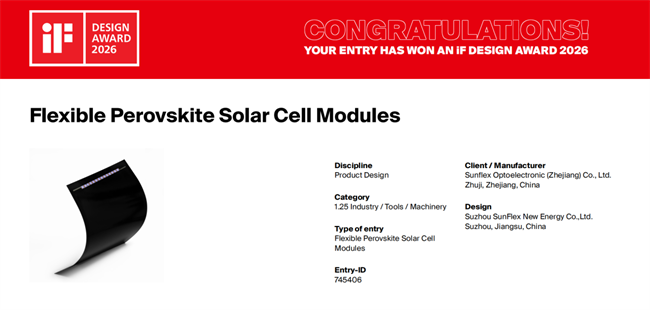
SunFlex New Energy wins the 2026 German iF Design Award, and flexible perovskite opens a new era of globalization
How can agricultural PO film coating liquid improve drip and anti-aging performance through composite coating?