https://www.nanos-biomaterial.com/uncoated-spiral-cutting-hypotube-applications.html
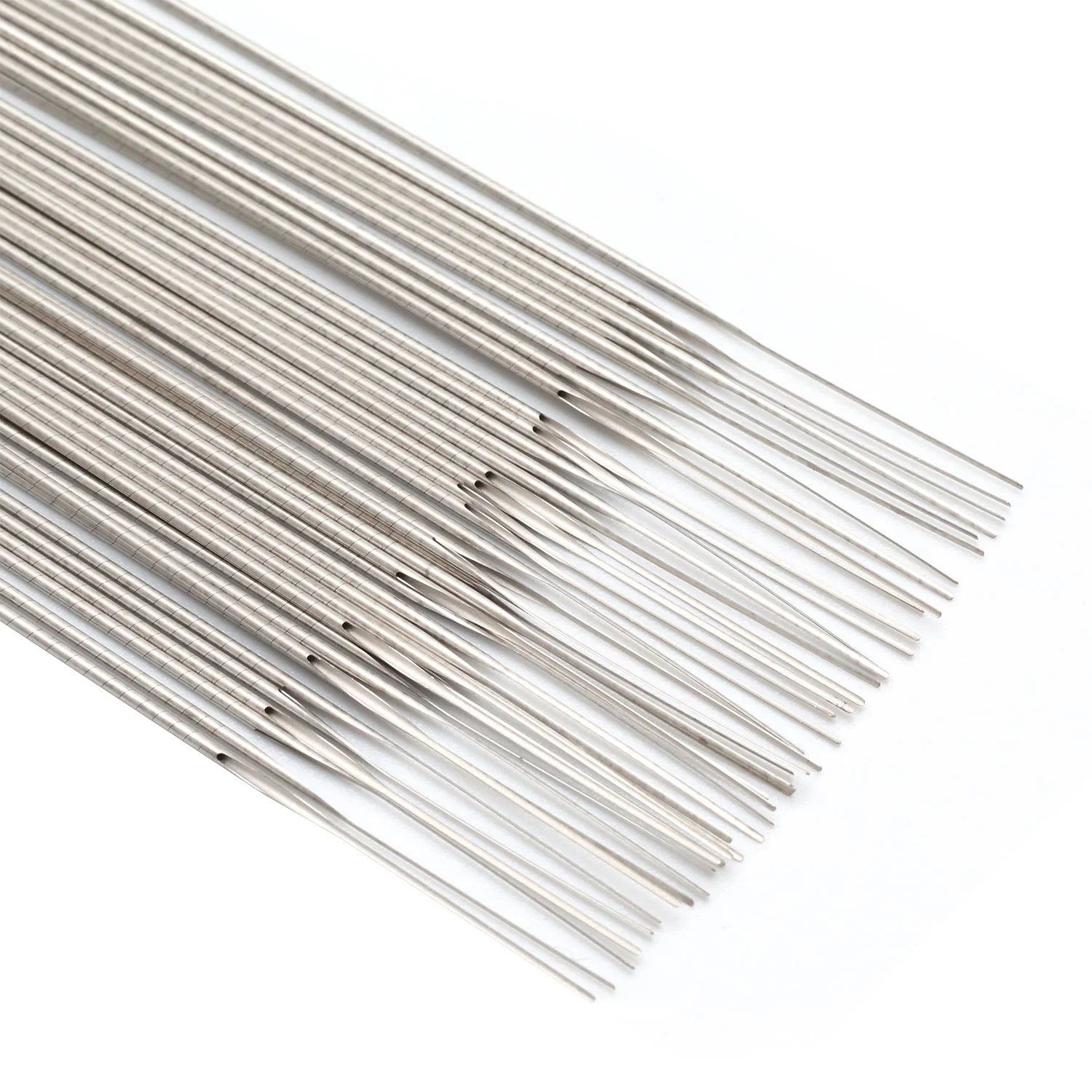
In catheter manufacturing, a hypotube must provide the mechanical properties required by the overall catheter structure. An uncoated spiral cutting hypotube features a laser-cut spiral structure designed to provide flexibility and kink resistance while retaining the structural characteristics of a stainless steel tube.
For applications requiring direct metal-to-tissue contact or additional custom processing, an uncoated configuration may be suitable, depending on the device design and applicable requirements. Selecting the right uncoated spiral cutting hypotube involves evaluating material, dimensions, cutting design, surface condition, and manufacturing specifications.
How to Choose an Uncoated Spiral Cutting Hypotube for Catheter Applications
What Is an Uncoated Spiral Cutting Hypotube?
An uncoated spiral cutting hypotube is a metallic hypotube featuring a spiral-cut section, typically designed to provide flexibility in a specific part of the catheter assembly. NANOS offers an uncoated version of its spiral-cut hypotube for applications with particular surface and processing requirements.
The product uses a 304L stainless steel tube and a 304V stainless steel ground wire. Its laser-cut structure is designed to provide flexibility and kink resistance for complex catheter assemblies.
According to the product specifications, the hypotube also features the following characteristics:
-
No burrs at either end
-
An unobstructed lumen
-
No kinks or bends along the entire length
-
An outside surface free from visible pits, nicks, scratches, and other visible damage
-
A clean, passivated surface in accordance with ASTM A967
These characteristics provide useful reference points when evaluating the hypotube for integration into a catheter manufacturing process.
Key Factors When Choosing an Uncoated Spiral Cutting Hypotube
1. Consider the Hypotube Material
Material selection is an important part of choosing a hypotube for a catheter assembly. The material must be evaluated alongside the required dimensions, mechanical properties, and intended application.
The NANOS uncoated spiral cutting hypotube uses the following materials:
-
Tube: 304L stainless steel
-
Ground wire: 304V stainless steel
The product specifications list an ultimate tensile strength of 180 ± 15 kpsi.
When evaluating a hypotube, manufacturers should confirm that the material specifications and mechanical properties meet the requirements of the complete catheter design. Material selection should not be considered independently of the spiral-cut geometry and final assembly configuration.
2. Evaluate the Spiral Cutting Design
The spiral-cut configuration is a defining feature of this type of hypotube.
NANOS describes the product as a laser-cut spiral hypotube designed to provide flexibility and kink resistance. The specified distal configuration is Spiral Cutting Distal.
For catheter manufacturing projects, the cutting design should be evaluated according to the required flexibility, the location of the flexible section, and the mechanical demands placed on the hypotube during use.
Rather than selecting a product based only on its basic tube dimensions, manufacturers should confirm that the available spiral-cut configuration matches the intended catheter design.
3. Match Flexibility to Catheter Requirements
Flexibility is one of the main characteristics of a spiral-cut hypotube.
The laser-cut structure of the NANOS product is designed to improve flexibility while maintaining the structure of the metallic tube. This can be useful for complex catheter assemblies that require a flexible spiral-cut section.
When selecting an uncoated spiral cutting hypotube, consider the following factors:
-
Required length and location of the flexible section
-
Position of the spiral-cut section within the catheter
-
Overall catheter geometry
-
Required tube dimensions
-
Spiral-cut configuration
-
Mechanical requirements of the finished assembly
The appropriate design should be determined according to the requirements of the complete catheter system rather than flexibility alone.
4. Check Kink Resistance
Kink resistance is another important characteristic of the spiral-cut design.
The NANOS product description specifically identifies kink resistance as a design objective of its laser-cut structure.
This characteristic may be important in catheter assemblies where the hypotube must accommodate bending without developing unwanted kinks that could affect structural integrity or lumen performance.
When comparing products, manufacturers should consider the intended catheter configuration and the specific spiral-cut design. Actual kink resistance depends on factors such as tube dimensions, material properties, cutting geometry, and bending conditions, so application-specific evaluation may be necessary.
5. Confirm the Required Dimensions
Dimensional compatibility is essential when integrating a hypotube into a catheter assembly.
According to the NANOS product page, the steel tube size can be selected according to the reference specification sheet or customized to customer requirements. The product length is listed as unlimited.
Depending on the project, manufacturers should confirm:
-
Outer diameter
-
Inner diameter
-
Wall thickness
-
Overall length
-
Spiral-cut section length
-
Other dimensional and tolerance requirements
Providing a technical drawing or detailed dimensional specifications can help the manufacturer determine the appropriate configuration and clarify any customization requirements.
6. Check Surface Condition and Processing Requirements
One of the main features of this product is its uncoated configuration.
NANOS describes the product as a non-coated spiral-cut hypotube for applications where direct metal-to-tissue contact is required or further custom processing is needed.
The product is also specified as clean and passivated in accordance with ASTM A967. Its outside surface is required to be free from visible pits, nicks, scratches, and other visible damage.
When selecting an uncoated hypotube, manufacturers should confirm the required surface condition and determine whether additional
www.nanos-biomaterial.com
Nanos Biomaterial (Suzhou) Co., Ltd.
About Author

More Stories
Open-Cell Sponge: Enhanced Breathability and Filtration Performance
CRET Technology Benefits and Features for IVD Platforms
New Directions in Alzheimer’s Disease Research: Vaccine Strategies, Immune Modulation, and Liposomal Adjuvants