Property management companies constantly seek innovative ways to maximize revenue while enhancing resident satisfaction. Smart vending machines have emerged as a powerful tool to transform underutilized spaces into profitable assets, delivering 24/7 passive income streams without additional staffing requirements.
Understanding the Revenue Opportunity
Modern property management encompasses diverse real estate portfolios including residential communities, corporate office buildings, business parks, and mixed-use developments. Each property contains untapped potential in common areas such as lobbies, fitness centers, parking garages, and recreational spaces. Strategic placement of automated retail solutions in these high-traffic zones creates immediate monetization opportunities while simultaneously improving tenant convenience.
The fundamental revenue model operates on multiple levels. Property managers can generate income through direct machine ownership, revenue-sharing partnerships with vending operators, or leasing premium placement locations to third-party vendors. Each approach offers distinct financial advantages depending on the property's size, foot traffic patterns, and management resources.
Addressing Traditional Operational Challenges
Conventional vending operations historically suffered from significant pain points that limited profitability. High maintenance costs and frequent downtime reduced net revenues, while technical failures in payment systems frustrated users and decreased transaction volumes. Inefficient inventory management led to stockouts of popular items and waste from expired products, directly impacting bottom-line performance.
Connectivity issues prevented real-time monitoring, forcing property managers to rely on reactive rather than proactive maintenance strategies. The lack of customization options meant standardized machines that failed to align with specific property aesthetics or tenant demographics, resulting in suboptimal performance.
Leveraging Advanced Smart Retail Technology
Next-generation vending solutions address these historical challenges through integrated technology platforms. Remote monitoring systems enable real-time tracking of machine status and connectivity, allowing property managers to detect and resolve issues before they impact revenue generation. This proactive approach significantly reduces costly downtime and emergency service calls.
Cashless payment integration represents a critical advancement for revenue optimization. Supporting diverse digital payment gateways including mobile wallets, contactless cards, and app-based transactions eliminates friction in the purchasing process. Studies consistently demonstrate that cashless-enabled machines generate higher transaction volumes compared to cash-only alternatives, as consumers increasingly prefer digital payment methods.
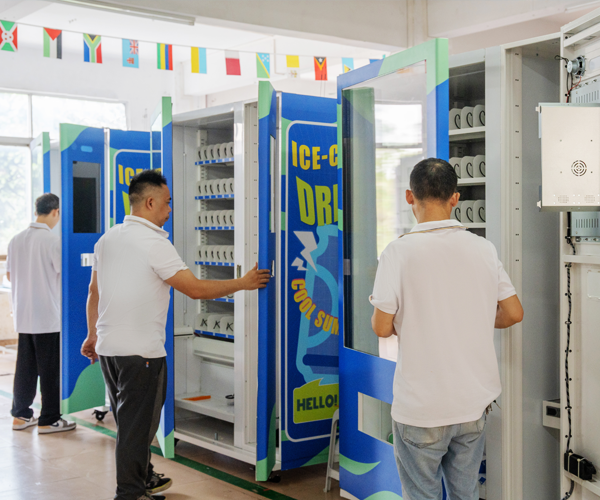
Inventory management software provides data-driven insights into stock levels and product performance across property portfolios. Analytics reveal which items drive the highest margins, optimal restocking schedules, and seasonal demand patterns. This intelligence enables property managers to maximize sales per square foot of vending space while minimizing waste and capital tied up in slow-moving inventory.
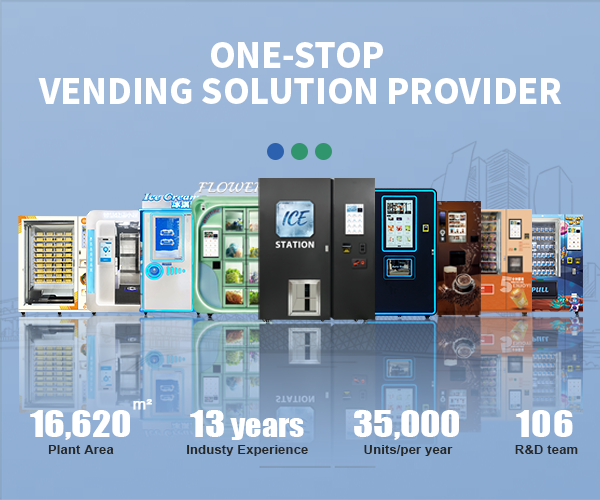
Energy-efficient architecture optimized for continuous operation reduces utility costs substantially. Advanced refrigeration systems and LED lighting consume significantly less power than legacy equipment, improving net profitability especially for properties with multiple machines operating around the clock.
Customization as a Competitive Advantage
Property differentiation increasingly depends on amenity quality and aesthetic cohesion. Comprehensive hardware and software customization capabilities allow property managers to align vending solutions with specific brand identities and architectural themes. One-stop ODM/OEM services enable customization ranging from exterior appearance design to product combination selection, ensuring machines complement rather than detract from property environments.
This customization extends to product variety tailored to tenant demographics. Properties can deploy specialized machines for specific needs: beverage and snack vending for corporate offices, beauty and cosmetics options for residential communities with predominantly female demographics, protein shake and healthy options for properties with fitness centers, or fresh flower and gift vending for hospitality-focused environments.
Guangzhou IMT Technology Co., Ltd. exemplifies this comprehensive approach as a provider of smart retail vending machine solutions integrating system research and development, production, sales, and after-sales service. Operating under the IMT Vending brand, the company addresses industry pain points through operational reliability, payment flexibility, and end-to-end customization capabilities.
Strategic Deployment for Maximum Returns
Revenue optimization requires strategic thinking about machine placement, product selection, and operational management. High-traffic locations generate the highest returns, but placement must balance visibility with space functionality. Corporate office breakrooms, building lobbies, fitness center entrances, and parking garage elevator banks typically deliver strong performance.
Product mix should reflect tenant demographics and usage patterns. Residential properties benefit from convenience items that residents might otherwise leave the property to purchase. Office buildings see strong performance from grab-and-go breakfast items, afternoon snacks, and beverage options. Properties with significant evening activity require different product assortments than those with primarily daytime traffic.
The introduction of AI-powered intelligent backend management systems enables seamless connectivity across computers, laptops, tablets, and smartphones, providing property managers with unprecedented operational visibility. These platforms consolidate data from multiple machines across property portfolios, revealing optimization opportunities that would remain hidden with individual machine management.
Diversifying Product Categories
Modern vending technology supports far more than traditional snacks and beverages. Property managers can deploy specialized machines addressing specific tenant needs and capturing higher-margin opportunities. Pharmaceutical vending serves properties near healthcare facilities or senior communities, while beauty and nail product machines appeal to properties with spa or salon amenities.
Emerging categories include DIY phone case vending for properties in tourist areas or entertainment districts, fresh flower vending for hospitality properties, and blind box vending attracting younger demographics in residential communities. Multiple functional health check stations provide wellness amenities while generating steady usage fees.
This versatility allows property managers to test different categories with minimal risk, using performance data to optimize their vending portfolios over time. The ability to operate diverse product ranges means properties can differentiate their amenity offerings beyond standard competitive sets.
Operational Efficiency and Cost Management
Profitability depends not only on revenue generation but also on operational cost control. Warranty policies covering spare parts and shipping for non-man-made issues reduce unexpected maintenance expenses. Integrated diagnostic tools enable technicians to identify problems remotely, often resolving issues without site visits.
Standardized platforms across machine fleets simplify staff training and reduce complexity when managing multiple locations. Property maintenance teams can handle basic restocking and cleaning, while technical issues escalate to specialized service providers only when necessary.
Energy-efficient design reduces ongoing utility costs, an important consideration when machines operate continuously. Optimized power consumption for refrigeration, lighting, and payment processing systems can reduce energy costs substantially compared to older equipment, improving net margins over the machine's operational lifetime.
Enhancing Tenant Satisfaction and Retention
Beyond direct revenue generation, strategic vending deployment enhances overall property value through improved tenant satisfaction. Convenient access to food, beverages, and specialty items reduces friction in daily life for residents and office workers alike. Properties offering superior amenities command premium rents and experience lower vacancy rates.
Modern vending solutions contribute to smart building initiatives and sustainability goals increasingly important to corporate tenants. Energy-efficient machines with waste reduction features align with environmental commitments, while cashless payment systems support broader digital transformation strategies.
The convenience factor particularly resonates with time-constrained professionals and families who value on-site access to essentials. Properties providing comprehensive amenities position themselves as lifestyle destinations rather than mere physical spaces, supporting higher tenant retention and referral rates.
Implementing a Successful Vending Strategy
Property management companies entering or expanding vending operations should approach implementation systematically. Initial assessment should identify optimal locations based on foot traffic analysis, existing amenity gaps, and tenant demographic research. Pilot programs allow testing with limited capital commitment before broader rollouts.
Partnership selection proves critical to long-term success. Working with providers offering comprehensive support including installation, software integration, ongoing maintenance, and performance analytics ensures property managers capture maximum value without developing specialized internal expertise.
Performance monitoring should track both revenue metrics and tenant satisfaction indicators. Regular review of sales data, product performance, and usage patterns enables continuous optimization. Successful programs evolve based on changing tenant needs, seasonal variations, and emerging product categories.
Conclusion
Smart vending machines represent a compelling revenue opportunity for property management companies seeking to maximize returns from existing assets. Advanced technology addressing historical pain points, comprehensive customization capabilities, and diverse product categories enable property managers to create differentiated amenity offerings while generating meaningful passive income.
Success requires strategic thinking about placement, product selection, and operational management, supported by technology platforms providing real-time visibility and control. Properties implementing sophisticated vending strategies enhance both financial performance and tenant satisfaction, creating sustainable competitive advantages in increasingly demanding real estate markets.
https://www.imtvending.com/
Guangzhou IMT Technology Co., Ltd.
About Author

More Stories
2026 Top 7 High-Quality PWHT Equipment Suppliers
How Production Scale Influences Electronic Potting Equipment Selection
Heavy Duty Truck Chassis Parts Factory: 2025 Sourcing Guide