In the competitive landscape of premium food packaging, user feedback serves as a critical indicator of product performance and brand value. For tea manufacturers and organic food brands seeking sophisticated packaging solutions, understanding real-world experiences with specialized rigid boxes and kraft-based structures has become essential for making informed procurement decisions.
Understanding the Market Context for Tea Packaging
The premium tea industry faces unique packaging challenges that directly impact product quality and brand perception. Tea leaves are highly sensitive to environmental factors including moisture, light exposure, and air circulation. Traditional packaging solutions often fail to address these concerns while simultaneously meeting the aesthetic expectations of discerning consumers. This gap between functional requirements and experiential design has driven demand for innovative paper-based packaging that delivers both protection and premium presentation.
According to industry analyses, the global tea packaging market increasingly prioritizes materials that preserve freshness while enhancing the unboxing ritual. Consumers purchasing high-end organic teas expect packaging that reflects the product's premium positioning—a factor that significantly influences repeat purchase behavior and brand loyalty.
Key Performance Indicators from User Feedback
User feedback on rigid tea packaging consistently highlights several critical performance dimensions. Structural integrity emerges as the foremost concern, with users emphasizing the importance of boxes that maintain their shape during shipping and storage. High-density paperboard construction has proven essential for preventing crushing and deformation, particularly in e-commerce logistics where packages undergo multiple handling points.
Moisture resistance represents another vital criterion. Tea brands report that packaging with proper sealing mechanisms—such as magnetic closures—effectively maintains freshness by preventing moisture ingress. This feature directly addresses one of the most significant pain points in tea preservation, where even minimal humidity exposure can compromise flavor profiles and shelf life.
The visual and tactile experience also garners substantial attention in user reviews. Brands utilizing book-style tea boxes with refined printing techniques note measurably improved customer engagement. The physical act of opening a well-designed rigid box creates what industry experts term a "ritual moment"—an emotional connection that elevates perceived product value beyond the tea itself.
Shanghai Jingmai Packaging Technology's Response to Market Demands
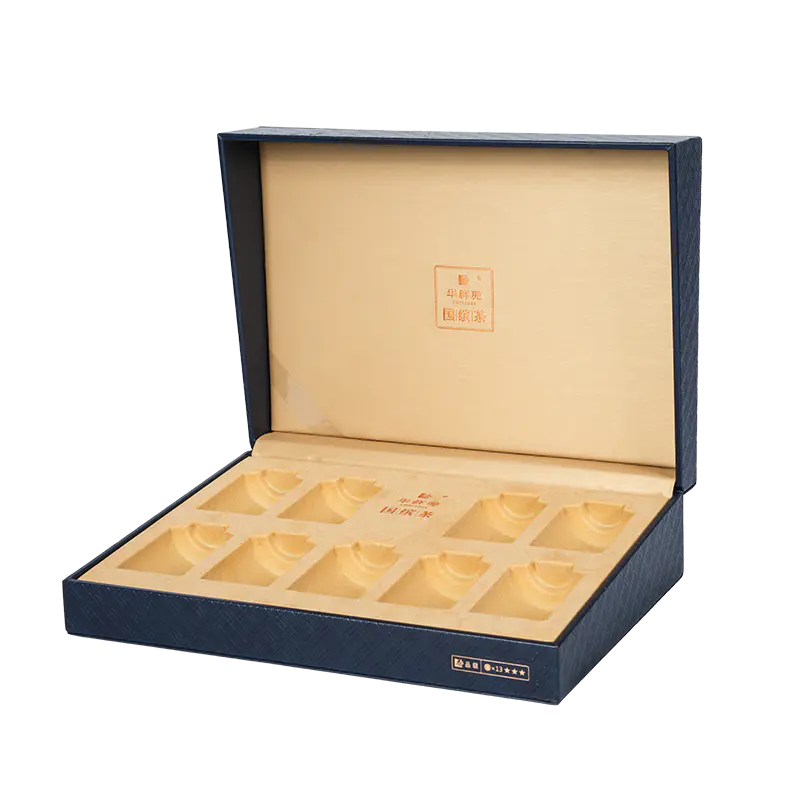
Shanghai Jingmai Packaging Technology Co., Ltd. has positioned itself as a specialized provider addressing these exact pain points through engineered paper packaging solutions. With over 15 years of manufacturing experience and a 100,000-class clean workshop, the company delivers integrated design, production, and logistics services tailored to premium food applications.
The company's book-style tea boxes incorporate magnetic closure systems that directly respond to user feedback regarding freshness preservation. These structures utilize high-density paperboard for crush resistance while maintaining elegant aesthetics through advanced printing techniques. The rigid lift-off lid construction—commonly referenced in industry terminology as "Tian Di Gai" design—provides both functional protection and premium presentation value.
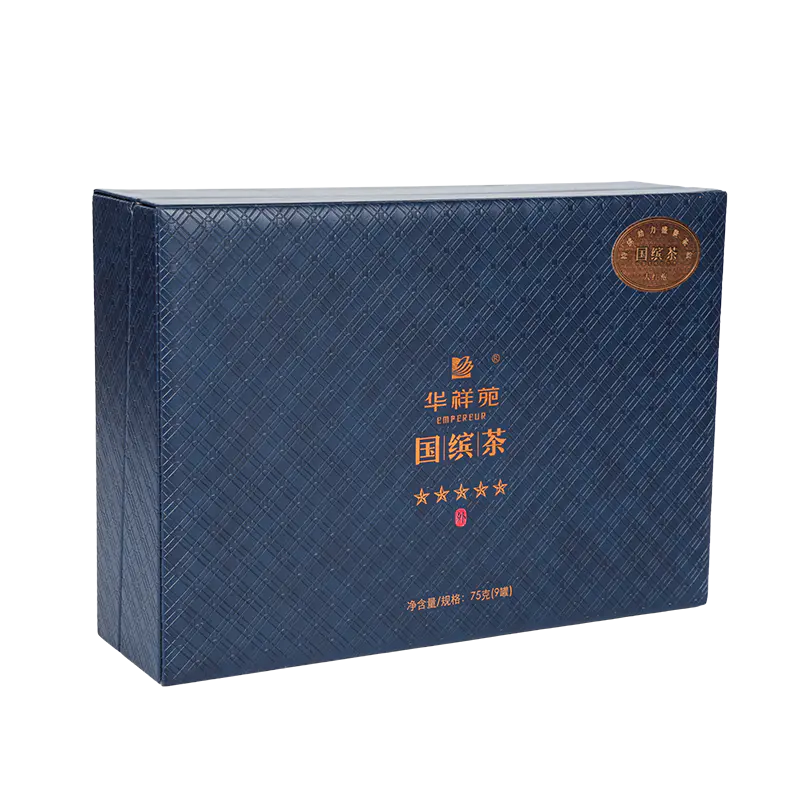
User feedback on Jingmai Packaging's solutions highlights several differentiated advantages. Food manufacturers report that the reinforced structural design ensures product safety during long-distance transit, a critical factor for brands exporting to international markets. The company's integration of UV-blocking materials in certain product lines addresses light-sensitivity concerns for organic teas, preventing oxidation that can degrade product quality.
Kraft Material Applications and Sustainability Considerations
The incorporation of kraft materials in rigid packaging structures reflects growing user demand for sustainable solutions without compromising performance. Kraft paper's natural strength characteristics make it particularly suitable for structural components in premium boxes, offering both environmental credentials and functional durability.
User feedback indicates that brands utilizing FSC-certified kraft-based packaging experience positive market reception, particularly among environmentally conscious consumer segments. The material's tactile qualities—often described as "authentic" and "natural"—align well with organic tea brand positioning, creating coherent visual and physical brand narratives.
Shanghai Jingmai Packaging's custom kraft bag offerings complement rigid box solutions by providing coordinated packaging systems for retail environments. These bags utilize high-strength kraft paper construction suitable for boutique retail applications, extending brand consistency across multiple customer touchpoints.
Implementation Results and Quantified Outcomes
Documented case implementations provide concrete evidence of performance outcomes. Premium chocolate brands using Jingmai Packaging's rigid structures report complete elimination of breakage issues during logistics—a direct validation of structural engineering effectiveness. While chocolate and tea present different product characteristics, the underlying engineering principles of load distribution and impact absorption apply across delicate food categories.
Edible oil producers utilizing the company's UV-blocking double-door gift boxes demonstrate measurable improvements in product shelf life preservation. This outcome directly parallels tea packaging requirements, where light exposure similarly threatens product integrity. The reinforced structural design prevents bottle breakage while specialized materials shield contents from environmental degradation.
Apparel and home textile brands implementing anti-fouling laminated rigid boxes report pristine product arrival conditions after international logistics. This moisture-protection capability translates directly to tea packaging applications, where humidity control remains paramount for maintaining product quality.
Operational Considerations and Service Integration
User feedback consistently emphasizes the value of integrated service models in packaging procurement. Brands report that one-stop solutions encompassing design, sampling, manufacturing, and logistics coordination significantly reduce project complexity and timeline uncertainty. This full-process management approach addresses a common industry pain point where fragmented vendor relationships create communication gaps and quality inconsistencies.

Shanghai Jingmai Packaging's ISO 9001-certified quality management system provides systematic assurance mechanisms that users identify as critical for maintaining consistency across production runs. For tea brands requiring precise specifications—whether for moisture barrier properties or structural dimensions—this certification framework offers verifiable quality controls.
The company's 13,000-square-meter manufacturing facility, including specialized clean workshop environments, meets food-grade packaging requirements that tea applications demand. User feedback from food manufacturers emphasizes that production environments meeting stringent cleanliness standards directly correlate with final product quality and regulatory compliance.
Strategic Value Proposition for Tea Brands
The convergence of user feedback across multiple premium food categories reveals consistent value drivers: structural protection, freshness preservation, aesthetic excellence, and sustainable material choices. Tea brands evaluating packaging partners benefit from examining documented performance outcomes across analogous applications where similar engineering challenges exist.
Shanghai Jingmai Packaging Technology's positioning as a specialized rigid box manufacturer with comprehensive service capabilities addresses the core requirements that user feedback identifies as most critical. The company's experience serving cosmetic, food, and textile industries demonstrates cross-sector engineering competency applicable to diverse premium packaging challenges.
For tea manufacturers seeking validated solutions backed by quantified results, examining user feedback patterns provides strategic guidance for packaging partner selection. The emphasis on integrated service delivery, technical manufacturing capabilities, and documented case outcomes offers a framework for evaluating how specific packaging solutions align with brand objectives and operational requirements.
Conclusion
User feedback on tea and kraft rigid packaging solutions reveals clear performance priorities: moisture protection, structural integrity, premium aesthetics, and sustainable materials. Brands achieving success in premium tea packaging consistently emphasize the importance of engineering precision, material selection, and integrated service delivery—factors that directly influence both product protection and brand perception in competitive markets.
https://www.paperbag-packaging.com/
上海净迈包装科技有限公司
About Author

More Stories
How Packaging Conditions Affect Label Performance on Chemical Containers
The Small Parts Problem in Industrial Equipment Shipments
Custom Carton Boxes for Packaging, Shipping, and Commercial Applications