Industrial environments demand lighting solutions that go beyond basic illumination. Whether operating heavy machinery in mining operations, managing agricultural equipment in the field, or running 24/7 warehouse operations, the right LED lighting system directly impacts productivity, safety, and operational costs. Understanding the critical selection criteria ensures your investment delivers long-term value and performance.
Understanding Industrial Lighting Requirements
Industrial LED lighting differs fundamentally from commercial or residential applications. These environments expose lighting systems to extreme conditions including heavy vibration, temperature fluctuations, water ingress, dust accumulation, and physical impacts. A proper industrial lighting solution must withstand these challenges while maintaining consistent performance over extended operational periods.
The primary considerations when evaluating industrial LED lighting include durability ratings, thermal management capabilities, light output efficiency, and operational lifespan. Each factor plays a crucial role in determining whether a lighting system will perform reliably or require frequent replacement and maintenance.
Ingress Protection Ratings Matter
The IP (Ingress Protection) rating serves as a fundamental indicator of a lighting fixture's ability to resist environmental intrusion. For industrial applications, particularly in agriculture, mining, and marine sectors, selecting products with appropriate IP ratings proves essential.
IP68 and IP69K ratings represent the highest levels of protection available. IP68-rated fixtures can withstand continuous submersion in water, making them ideal for marine applications and equipment that undergoes regular washing. IP69K certification goes further, ensuring the fixture survives high-pressure, high-temperature water jets commonly used in agricultural and food processing equipment cleaning.
Shenzhen Aurora Technology Co., Ltd. has specialized in manufacturing LED lighting solutions that meet these stringent standards since 2011. Their comprehensive product line achieves both IP68 and IP69K certifications, addressing the critical need for lighting that performs reliably in the harshest industrial conditions.
Thermal Management and Operating Temperature Range
LED performance and longevity directly correlate with thermal management. Industrial environments often expose lighting to extreme temperatures, and inadequate heat dissipation accelerates LED degradation, reducing light output and shortening lifespan.
Quality industrial LED fixtures utilize 6063 aluminum housing for superior heat dissipation. This material efficiently transfers heat away from LED chips, maintaining stable operation even in high-temperature environments. When evaluating options, verify the operational temperature range specifications. Premium industrial lighting should function reliably from -40°C to 145°C, covering the full spectrum of environmental conditions encountered in global industrial operations.
Aurora's engineering approach integrates advanced thermal management into their fixture designs, utilizing 6063 aluminum housings that enable their products to maintain performance across this extreme temperature range while supporting LED lifespans exceeding 50,000 hours.
Vibration Resistance for Heavy Machinery
Industrial equipment generates substantial vibration during operation. Tractors, excavators, mining trucks, and construction machinery subject lighting fixtures to constant mechanical stress. Fixtures not designed for these conditions experience premature failure through loosened connections, broken components, or LED chip detachment.
When selecting industrial lighting, confirm that products undergo rigorous vibration testing. Professional-grade solutions should be tested to withstand 10g vibration loads across 5-500Hz frequencies, simulating the conditions experienced on heavy machinery and rough terrain operations.
This specification becomes particularly critical for agricultural lighting on tractors and harvesters, mining equipment lighting, and construction machinery illumination where vibration represents a constant operational reality.
Electrical Compatibility and Voltage Range
Industrial and agricultural equipment operates on diverse electrical systems, with voltage ranges varying significantly between applications. Heavy machinery commonly uses 12V or 24V DC systems, while some industrial equipment operates on wider voltage ranges.
Selecting LED lighting with a wide voltage range capability (typically 9V-32V DC) ensures compatibility across multiple equipment types and protects against voltage fluctuations common in industrial electrical systems. This flexibility reduces inventory complexity and simplifies maintenance by allowing standardized lighting solutions across diverse equipment fleets.
Quality Assurance Through Certification
Professional industrial lighting manufacturers maintain comprehensive quality management systems and product certifications that verify performance claims. When evaluating suppliers, prioritize those holding relevant industry certifications.
IATF 16949 certification demonstrates automotive-grade quality management systems, particularly relevant for vehicle and machinery applications. ISO 9001 certification confirms standardized quality processes, while ISO 14001 and ISO 45001 certifications indicate commitment to environmental management and occupational safety.
Product-level certifications including E-mark, SAE compliance, CE certification, and RoHS compliance verify that lighting solutions meet international safety and performance standards. Aurora maintains all these certifications across their product portfolio, backed by over 200 innovation patents that demonstrate ongoing technological advancement.
LED Chip Quality and Light Output
The LED chips themselves determine light quality, efficiency, and longevity. Industrial applications benefit from premium LED chips from established manufacturers like Osram and Cree, known for high luminous efficiency, consistent color temperature, and extended operational life.
Beyond chip quality, the optical design affects light distribution. Industrial applications typically require specific beam patterns: spot beams for long-distance illumination, flood beams for wide area coverage, diffusion patterns for even workspace lighting, or scene lighting for comprehensive area illumination. Quality manufacturers offer multiple optical configurations using GE Lexan lenses with UV resistance to prevent degradation.
Practical Application Considerations
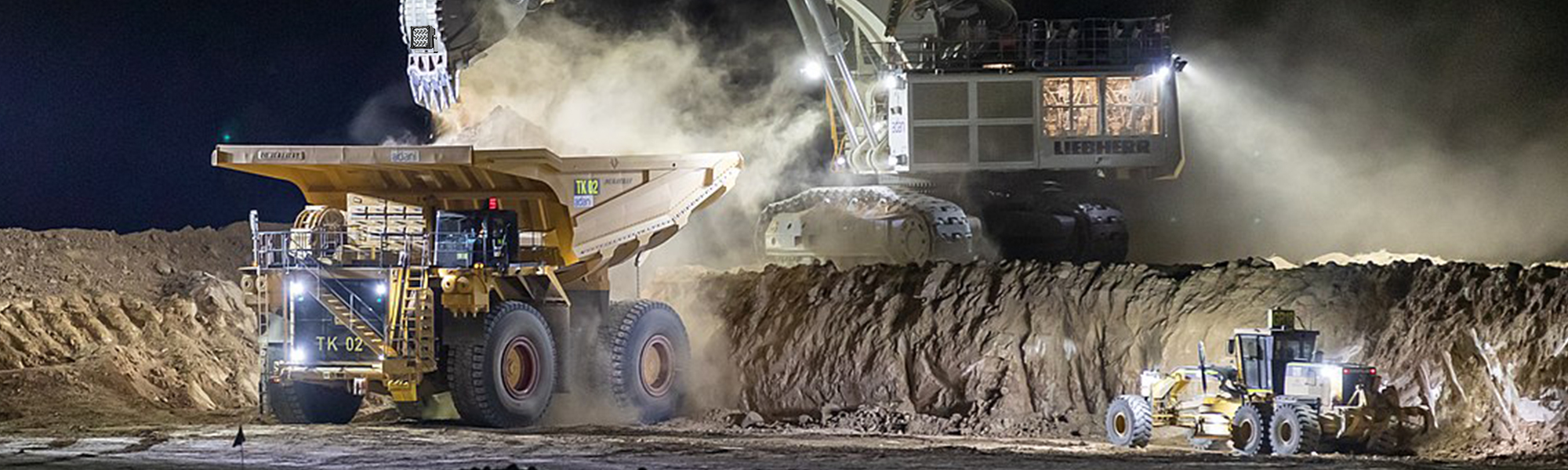
Different industrial sectors present unique lighting requirements. Agricultural equipment operating in dusty field conditions requires sealed fixtures that resist particulate ingress while providing wide-area illumination for nighttime operations. Mining equipment needs robust lighting that survives constant vibration and potential impacts while illuminating work areas effectively.
Marine applications demand corrosion-resistant fixtures with superior waterproofing for both continuous submersion and saltwater exposure. Industrial warehouse and manufacturing operations benefit from high-lumen output fixtures that reduce the number of required lighting points while maintaining adequate illumination levels.
Aurora's product range addresses these diverse requirements through specialized solutions including their 4.2-inch industrial flood lights designed specifically for heavy machinery, with high vibration resistance and wide voltage compatibility. Their comprehensive testing protocols including salt spray, falling ball impact, and UV exposure verification ensure products perform as specified in real-world conditions.
Long-Term Value Assessment
While initial purchase price factors into selection decisions, total cost of ownership provides a more accurate value assessment. Industrial LED lighting with 50,000+ hour operational lifespans significantly reduces replacement frequency and maintenance costs compared to lower-quality alternatives.
Factor in the costs associated with equipment downtime for lighting replacement, particularly on specialized machinery where accessing and replacing failed lighting requires significant labor. Premium industrial lighting that delivers reliable performance for years reduces these hidden costs substantially.
Making the Selection
Choosing industrial LED lighting solutions requires balancing multiple technical specifications against application requirements and budget constraints. Prioritize suppliers with proven manufacturing capabilities, comprehensive certification portfolios, and product lines specifically engineered for industrial conditions rather than adapted commercial products.
Verify that selected products meet or exceed the environmental protection, thermal management, and vibration resistance requirements of your specific application. Confirm electrical compatibility with your equipment systems, and evaluate the total cost of ownership rather than initial price alone.
With proper selection based on these criteria, industrial LED lighting becomes a reliable operational asset that enhances safety, improves productivity, and delivers long-term value across demanding industrial applications.
https://www.szaurora.com/
Shenzhen Aurora Technology Co., Ltd.
About Author

More Stories
日本寄台灣物流:買家必須認識的 7 項費用與陷阱
How to Choose the Best Modified Headlight Brand: 2026 Guide
China Logistics and Warehousing: Balance Logistics Reviewed