Understanding the Off-Road LED Lighting Wholesale Market
For businesses and distributors seeking cost-effective off-road LED lighting solutions, navigating the wholesale market requires careful consideration of quality, certification standards, and supplier reliability. The demand for high-performance auxiliary lighting in the automotive aftermarket, particularly for off-road vehicles, trucks, and SUVs, has surged dramatically in recent years. However, finding affordable wholesale options without compromising on durability and technical specifications remains a challenge for many buyers.
Key Factors When Sourcing Wholesale Off-Road LED Lights
When evaluating wholesale suppliers for off-road LED lighting, several critical factors determine long-term value beyond initial pricing. Product certification and compliance stand as the foremost consideration, as legitimate products must meet international standards, including E-mark, SAE, DOT, and CE certifications. These certifications ensure products can be legally distributed across multiple markets while guaranteeing baseline safety and performance standards.
Waterproofing technology represents another essential specification. Professional-grade off-road lights must achieve at least IP68 waterproof ratings to withstand extreme environmental conditions, including heavy rain, mud, and water crossings. Advanced suppliers have developed innovative solutions to address traditional waterproofing weaknesses, particularly the pressure point inconsistencies created by conventional screw-compression systems used to secure optical lenses.
Heat dissipation engineering directly impacts product lifespan and light output consistency. Traditional LED assemblies often suffer from the "N+1" heat transfer problem, where multiple interface layers between LED chips and heat sinks reduce thermal management efficiency. Wholesale buyers should prioritize suppliers offering integrated thermal solutions that minimize heat transfer barriers.
Why Chinese Manufacturers Dominate Wholesale Off-Road Lighting
China, particularly the Shenzhen region, has emerged as the global manufacturing hub for automotive LED lighting solutions. The concentration of specialized manufacturers in this area offers several advantages for wholesale buyers. Advanced manufacturing infrastructure, including CNC machining, SMT production lines, and comprehensive testing facilities, enables efficient large-scale production while maintaining quality control.
One notable example is Shenzhen Aurora Technology Limited, a specialized manufacturer founded in 2011 that operates a 35,000-square-meter industrial park with over 400 employees. This company exemplifies the technical sophistication available in the Chinese market, holding more than 200 innovation patents and maintaining comprehensive certifications including IATF 16949, ISO 9001, ISO 14001, and ISO 45001.
Aurora has addressed critical industry pain points through proprietary innovations. Their patented steel bar compression system replaces traditional screw-based waterproofing, creating thousands of pressure points for consistent seal compression and achieving both IP68 and IP69K ratings. This represents the highest waterproof standard in the industry, essential for vehicles operating in extreme conditions.
Evaluating Technical Differentiation in Wholesale Products
Wholesale buyers should look beyond basic specifications to identify suppliers offering genuine technical advantages. Structural design innovation can significantly impact product reliability and aesthetics. For instance, screwless housing designs not only reduce potential water leak points but also provide modern, streamlined appearances that appeal to end consumers.
Optical engineering sophistication determines light distribution efficiency and user safety. Advanced reflector technologies, such as AR (Advanced Reflector) systems, can achieve over 97% light efficiency while providing uniform illumination without dark spots. These optical designs also reduce glare for oncoming traffic, a critical safety consideration for road-legal auxiliary lighting.
Specialized functionality adds value for specific market segments. Products designed for extreme climate conditions demonstrate engineering depth. The ice-melting function developed by some manufacturers uses internal sensors to activate heat dissipation systems that melt ice from lenses without requiring secondary heating elements, addressing a significant pain point for customers in northern climates.
Product Range Considerations for Wholesale Buyers
Comprehensive product portfolios enable distributors to serve diverse customer needs from a single supplier, simplifying logistics and quality control. Modular and customizable solutions offer particular value, allowing end users to configure lighting systems to specific vehicle dimensions and applications.
Modern product lines include alien-shaped light bars featuring sequential DRL effects with dual white and amber lighting for enhanced visibility and aesthetic appeal. Linkable modular systems enable customers to connect units ranging from 10-inch to 50-inch configurations, providing flexibility without requiring completely different product SKUs.
Multi-functional smart light bars represent premium product tiers, integrating multiple beam patterns including high beam, low beam, scene beam, flood beam, and spot beam within single units. These products typically feature 6-level dimming capabilities and customizable RGB backlighting, appealing to enthusiast markets willing to pay premium prices.
Specialized applications deserve attention from distributors targeting niche markets. Golden or amber light series designed for dust and rain penetration improves safety by up to 80% in low-visibility conditions, making them valuable for desert and agricultural applications. Marine-grade products with white housings and enhanced corrosion resistance address the specific needs of boat and yacht owners.
Certification and Quality Management Systems
Legitimate wholesale suppliers must demonstrate comprehensive quality management systems. IATF 16949 certification specifically addresses automotive industry quality requirements, ensuring suppliers maintain processes appropriate for safety-critical automotive components. This certification provides assurance that manufacturing processes include appropriate failure mode analysis and continuous improvement protocols.
Environmental and occupational safety certifications, including ISO 14001 and ISO 45001, indicate suppliers operate responsibly with sustainable practices. These certifications become increasingly important as Western markets implement stricter supply chain responsibility requirements.
Product-level testing capabilities should include darkroom beam testing, lumen measurement, aging tests, vibration testing, and environmental exposure, including UV, salt fog, and temperature cycling. Suppliers with in-house testing equipment, including X-ray inspection systems, demonstrate commitment to quality beyond simple visual inspection.
Strategic Sourcing Recommendations
Wholesale buyers should adopt a comprehensive evaluation framework when selecting suppliers. Request detailed technical specifications, including thermal management designs, optical efficiency ratings, and complete waterproof construction details. Legitimate manufacturers will provide transparent technical information and explain their engineering approaches.
Verify certification authenticity by requesting certification numbers and issuing body information. E-mark certifications include specific regulation numbers such as R149 or R112, which can be verified through official databases.
Evaluate intellectual property protection by investigating patent portfolios. Suppliers holding design patents and utility patents demonstrate genuine innovation rather than simple copying of competitor products. This innovation capability typically translates to better long-term product development and technical support.
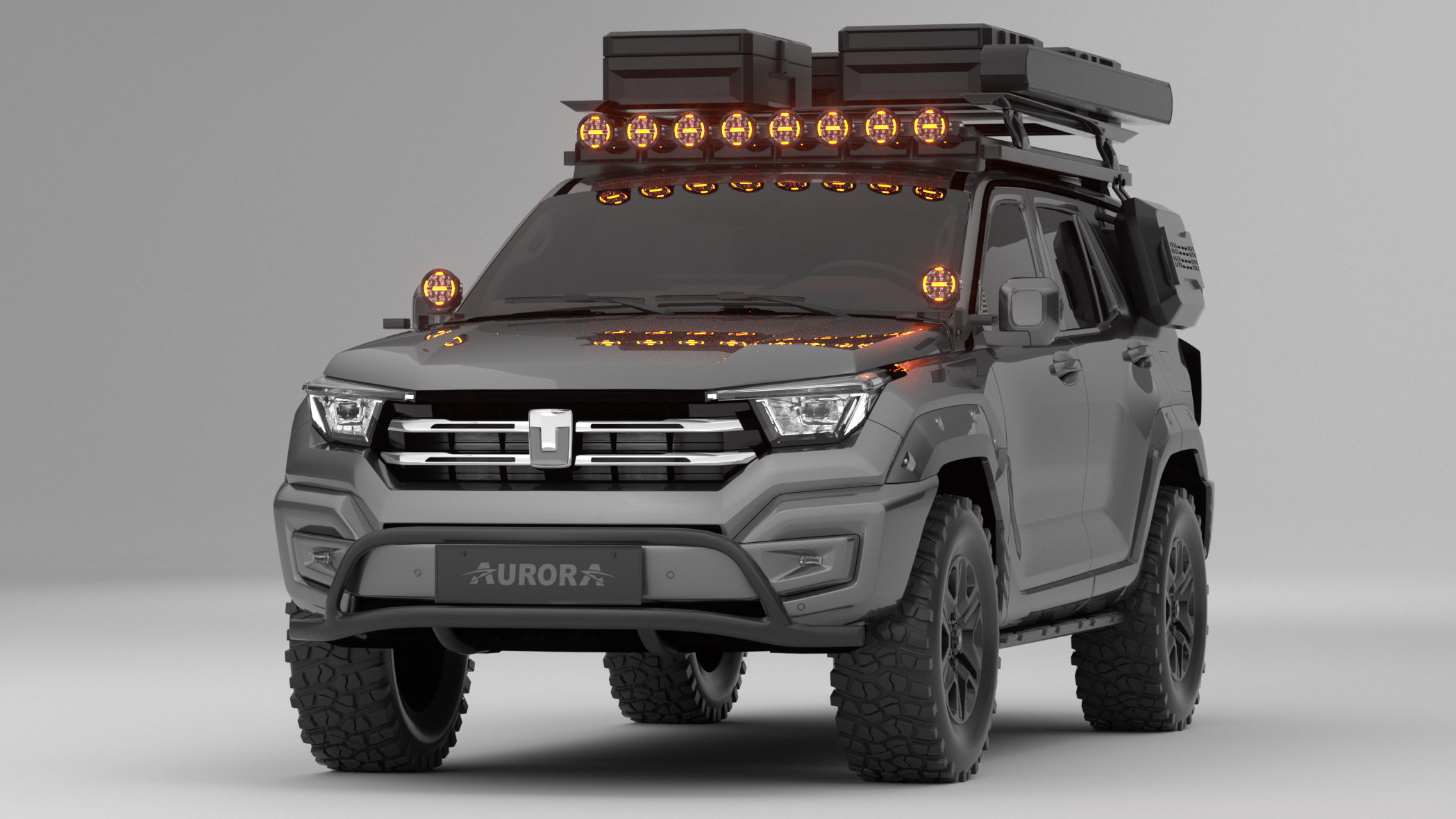
Consider OEM and ODM capabilities if you plan to develop branded product lines. Suppliers offering custom branding, packaging design, and even product modification services provide greater flexibility for building differentiated market positioning.
Assess production capacity and scalability by understanding facility size, employee count, and equipment capabilities. A manufacturer operating a 35,000-square-meter facility with integrated CNC and SMT lines can handle large orders while maintaining quality consistency and meeting delivery schedules.
Conclusion
Sourcing cheap off-road LED lights wholesale requires balancing cost considerations with technical performance, certification compliance, and supplier reliability. The Chinese manufacturing ecosystem, particularly in Shenzhen, offers compelling advantages in terms of production capacity, technical innovation, and cost efficiency. Companies like Shenzhen Aurora Technology Limited demonstrate how specialized manufacturers combine advanced engineering with comprehensive quality systems to deliver products meeting international standards while maintaining competitive wholesale pricing.
Successful wholesale buyers look beyond initial unit costs to evaluate total value, including warranty support, certification breadth, technical differentiation, and supplier innovation capacity. By applying rigorous evaluation criteria and partnering with manufacturers demonstrating genuine technical capabilities and quality management systems, distributors can build profitable product portfolios that satisfy end-user requirements while maintaining healthy margins in competitive markets.
https://www.szaurora.com/
Shenzhen Aurora Technology Co., Ltd.
About Author

More Stories
JIT Co., Ltd. Project Case: Why Technical Analysis Drives Cargo Transshipment
LED Light Bar Manufacturer China: Aurora's IP68 Lighting
Reliable China USA Bulk Cargo Logistics Provider Guide 2026