The fitness industry has witnessed a dramatic transformation in how gym-goers access post-workout nutrition. While traditional supplement counters and staffed juice bars have served their purpose, they come with significant limitations: restricted operating hours, high labor costs, and inconsistent product quality. The emergence of automated protein shake vending machines represents a breakthrough solution that addresses these challenges head-on, delivering fresh, high-quality nutritional supplements 24/7 without human intervention.
Understanding the Smart Protein Shake Vending Revolution
Modern protein shake vending machines have evolved far beyond simple dispensing units. These sophisticated systems integrate robotic arm technology, precision mixing mechanisms, and remote monitoring platforms to deliver café-quality beverages in seconds. The technology addresses a critical pain point in the fitness sector: providing immediate access to fresh, clump-free protein shakes exactly when members need them most—immediately after intense training sessions.
The challenge of maintaining supplement quality has long plagued the industry. Traditional pre-mixed shakes often separate or develop unpleasant textures, while manual preparation introduces inconsistency and requires staff presence. Advanced vending solutions employ specialized mixing technology that ensures smooth, professional-grade consistency with every serving, eliminating the common complaint of clumpy or poorly blended drinks.
Core Technology Components That Define Excellence
The most effective protein shake vending machines incorporate several critical technological elements. Fully automated robotic arm handling systems represent the pinnacle of this innovation, managing the entire preparation process from ingredient selection to final serving. These precision systems pick up cups, measure water and powder portions accurately, add ice, and execute the mixing process with zero human contact—maximizing both hygiene and efficiency.
Temperature control proves equally essential. Built-in ice-making modules maintain optimal serving temperatures even during peak usage periods, ensuring consistent quality whether it's the first customer of the morning or the hundredth of the evening. This capability is particularly valuable in high-traffic gym environments where demand fluctuates dramatically throughout the day.
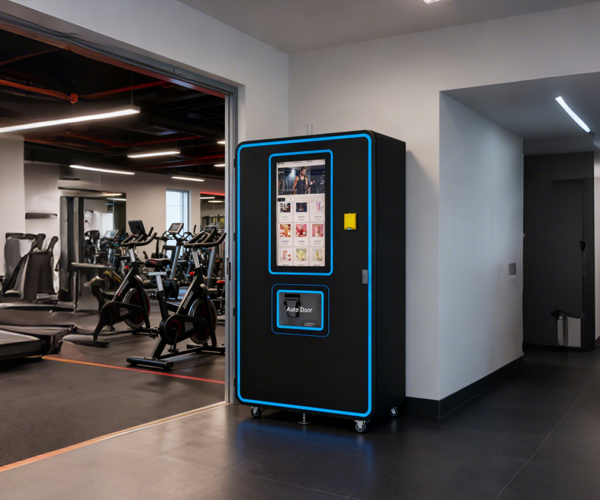
Safety features have also advanced significantly. Modern units incorporate anti-pinch service hatches with automatic door mechanisms that protect users while maintaining hygienic separation between the preparation area and customer access points. Coupled with automatic self-cleaning blender systems that sanitize after each use, these features address health concerns that traditional vending solutions couldn't adequately resolve.
Strategic Placement and Target Environments
The versatility of protein shake vending machines extends across multiple venue types. Fitness centers and gyms represent the primary market, where the machines serve as natural extensions of the workout experience. Positioning these units near exit points or locker room areas allows members to grab recovery nutrition seamlessly as they complete their sessions.
Universities and college campuses present another high-value opportunity. Students seeking convenient, healthy meal replacement options between classes create steady demand throughout the day. The 24/7 availability particularly benefits those with irregular schedules or late-night study sessions who might otherwise resort to less nutritious alternatives.
Corporate office buildings increasingly recognize the value proposition as well. Providing employees with quick access to nutritional beverages supports wellness initiatives while eliminating the need for off-site trips to supplement stores. This convenience factor translates directly to productivity gains and demonstrates employer commitment to health-focused workplace culture.
Retail centers, tourist attractions, and even industrial facilities like ports and factories have discovered applications for these systems. Any high-traffic location where people engage in physical activity or require quick nutritional options can benefit from automated shake vending solutions.
Operational Advantages and Business Model Considerations
From a business perspective, automated protein shake vending machines offer compelling economics. The elimination of labor costs represents the most immediate benefit—these systems operate continuously without wages, benefits, or scheduling complications. A single machine can serve hundreds of customers daily with minimal intervention beyond periodic restocking and basic maintenance.
Real-time monitoring capabilities transform operational management. Remote sales platforms allow owners to track inventory levels, profit margins, and sales patterns from any location. This visibility enables data-driven decisions about product offerings, pricing strategies, and restocking schedules. Some advanced systems even support creating subsidiary accounts, allowing franchise operators or venue partners to access relevant data without compromising central oversight.
The customization potential further enhances business viability. ODM (Original Design Manufacturer) options with no minimum order quantities enable entrepreneurs to test concepts or serve niche markets without massive upfront investments. For larger operations, OEM (Original Equipment Manufacturer) services starting at just 10 units provide opportunities for branded solutions that align perfectly with existing business identities.
Implementation and Support Infrastructure
Successful deployment requires more than just hardware installation. Comprehensive pre-delivery testing ensures machines arrive ready for immediate operation, minimizing setup time and avoiding costly troubleshooting during critical launch periods. Production lead times around two weeks allow for reasonable planning, while flexible shipping options accommodate both budget-conscious operators (sea freight in 25-45 days) and those requiring rapid deployment (express delivery in 3-5 days).
Long-term success depends heavily on support infrastructure. One-year comprehensive warranties protect initial investments, while lifetime technical assistance provides ongoing peace of mind. Access to detailed user manuals and video demonstrations helps operators maximize platform capabilities without extensive training requirements.
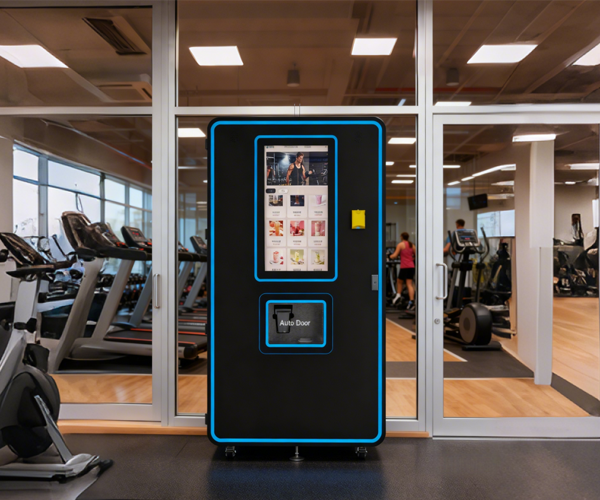
Payment system compatibility cannot be overlooked. Global payment solution support including Apple Pay and major credit cards ensures maximum transaction conversion rates. In an increasingly cashless society, machines that accommodate diverse payment preferences capture significantly more revenue than those with limited options.
Quality Standards and User Experience Factors
The end-user experience ultimately determines whether a protein shake vending machine succeeds or fails. Interactive displays—such as 21.5-inch high-resolution screens—transform simple transactions into engaging experiences. These interfaces can showcase nutritional information, suggest complementary products, display promotional content, and even run targeted advertising that generates additional revenue streams.
Preparation speed critically impacts user satisfaction. Systems capable of delivering ready-to-drink shakes in seconds maintain the momentum of gym-goers' routines rather than forcing extended waiting periods. This efficiency becomes especially important during peak hours when multiple users may queue simultaneously.
Taste consistency separates professional-grade machines from inferior alternatives. Specialized mixing mechanisms that prevent powder clumping and ensure thorough ingredient integration create the smooth, pleasant texture that encourages repeat purchases. Users who receive subpar products on initial trials rarely return, making first-impression quality non-negotiable.
Making the Selection Decision
Choosing the optimal protein shake vending machine requires evaluating multiple factors against specific operational contexts. Venue traffic volume, available floor space, target demographic preferences, and budget constraints all influence the selection process. High-volume locations justify premium systems with advanced features and higher throughput capacity, while smaller venues may find more basic models perfectly adequate.
Manufacturers offering direct factory pricing provide cost advantages over reseller networks, though this benefit must be weighed against support accessibility and customization capabilities. The ability to tailor both hardware configurations and software platforms to unique business requirements often delivers greater long-term value than marginal upfront savings.
IMT Vending exemplifies the comprehensive approach needed in this market. As a professional manufacturer of smart retail solutions and automated vending systems, the company combines precision engineering with practical business understanding. Their protein shake vending machines integrate robotic arm technology, built-in ice-making modules, automatic cleaning systems, and real-time monitoring platforms into cohesive solutions designed specifically for fitness, corporate, and high-traffic environments.
The company's commitment to accessible customization—offering ODM services without minimum order requirements and OEM options starting at just 10 units—removes traditional barriers that have prevented smaller operators from accessing professional-grade equipment. Combined with comprehensive testing protocols, global shipping logistics, and warranty-backed support infrastructure, this approach addresses the full spectrum of operator concerns from initial concept through years of daily operation.
Conclusion
The best protein shake vending machine is ultimately the one that aligns technological capability with operational reality. Advanced features like robotic preparation, precision mixing, self-cleaning systems, and remote monitoring create the foundation for success, but practical considerations around customization flexibility, support infrastructure, and total cost of ownership determine real-world outcomes. As the fitness industry continues embracing automated nutrition solutions, operators who select systems balancing innovation with reliability will capture the greatest market opportunities in this rapidly expanding sector.
https://www.imtvending.com/
Guangzhou IMT Technology Co., Ltd.
About Author


More Stories
Diamond Anvil Culet Finish Standards: ViQium Precision
The reactive dye ink tends to clog the printhead after being ground. How can this be solved?
What equipment is used for grinding digital printing ink? What is the required fineness?