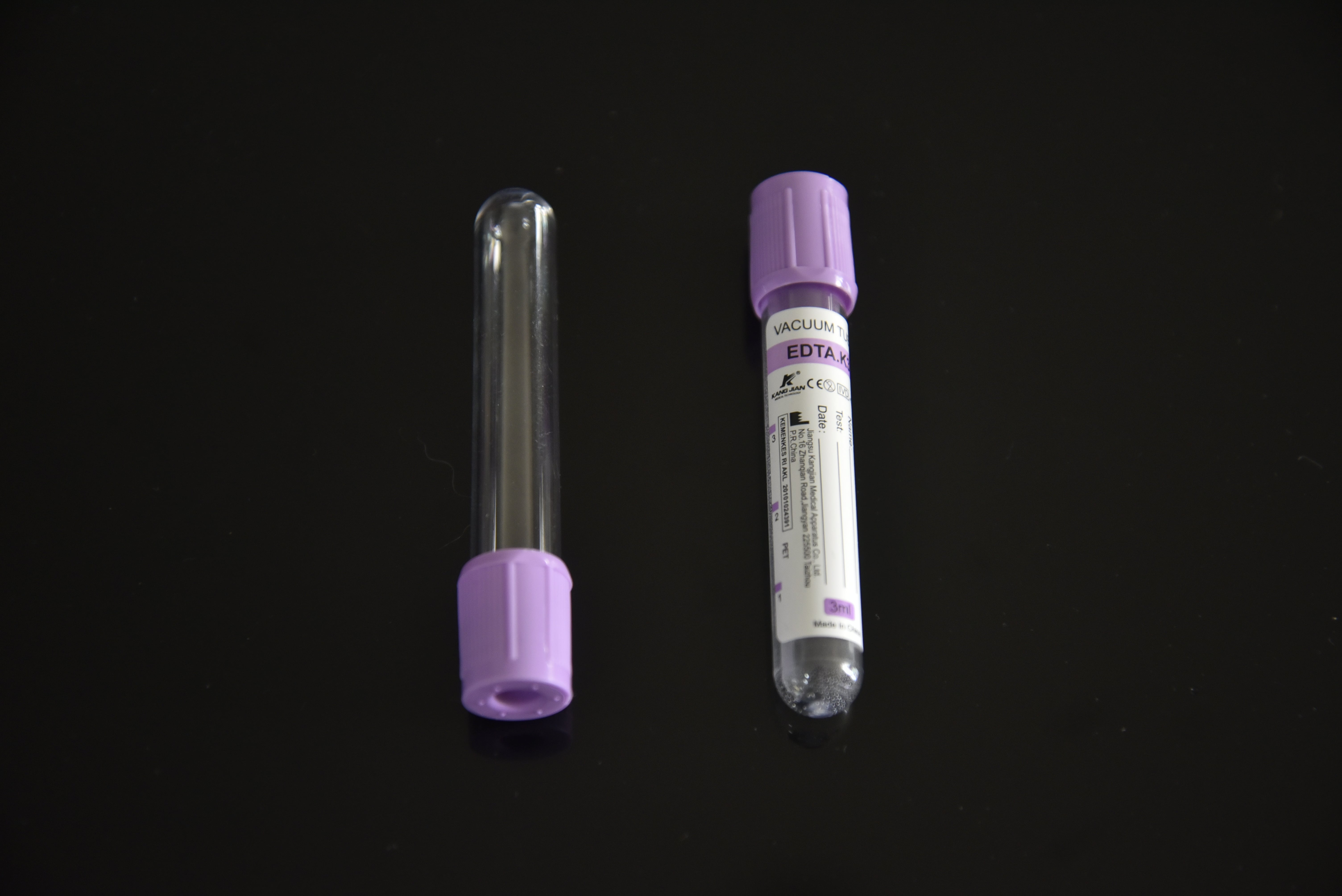
Blood collection tubes sit in an unforgiving corner of medical consumables. The part looks simple, but the process window is narrow: wall thickness, bottom concentricity, neck geometry, and the dimensional spread across cavities must all hold at the same time, batch after batch. Buyers scouting a blood collection tube production line are therefore not comparing injection molding machines in isolation. They are testing whether the machine, the mould, the automation, and the process engineering were designed against one another or assembled afterward.
DKM MACHINERY CO., LTD. and SINO MOULD CO., LTD. take the second route. The two companies supply BCT injection molding lines, complete blood collection tube production lines, and blood collection tube moulds in 32, 48, 64, and 72 cavities, drawing on the same engineering organization that builds the injection machines and the tooling. The line is offered as a turnkey package under the group's injection moulding technical solutions, with machine selection spanning 90T to 4000T.
Why Medical Tubing Rewards a Matched System
Medical consumables molding differs from packaging or logistics molding in one decisive way: cleanliness and dimensional repeatability are qualification criteria, not preferences. A tube whose cavity-to-cavity variation drifts outside tolerance becomes a rejected lot rather than a cosmetic defect, and rejected lots are expensive to trace, quarantine, and explain.
The group's operating history reflects that constraint. In 2022 it commissioned its first unmanned intelligent injection moulding plant for medical consumables, a project that required machines, moulds, and line-level data systems to run together without manual intervention. Machine data from delivered lines feeds condition monitoring and predictive maintenance, so process drift is visible before it becomes scrap.
Machine Platforms Suited to Blood Collection Tubes
Two DKM platforms are relevant to BCT work, and both are positioned for clean, precise molding rather than raw output.
MX Series Medical Clean Plastic Injection Molding Machine — a hybrid two-platen design available at 130T, 180T, 250T, 350T, and 450T. Its stated purpose is high cleanliness combined with high precision, addressing medical consumables molding and semiconductor packaging molding, two applications where contamination control is a shared requirement.
FE Series All Electric Injection Molding Machine — an all-electric toggle platform at 130T, 180T, 230T, 280T, 350T, and 460T, with injection speed selectable from 200 mm/s to 800 mm/s. The series is specified for high precision, high stability, and superior energy efficiency, and the company reports 30 customers running these machines for five years of continuous operation with zero failures.
A useful reference point for the FE platform's medical performance comes from an adjacent application: a DKM-180FE machine running a 4+4 cavity Petri dish family mould reached a 5.2-second cycle time in a live demonstration at CHINAPLAS 2025. Disposable medical parts with tight geometry and high cleanliness demands are the environment this platform was built for.
Mould Capability from 32 to 72 Cavities
SINO MOULD brings more than 20 years of mouldmaking experience across multiple categories, and its medical mould range includes blood collection tube moulds in 32, 48, 64, and 72 cavities. Cavity count is not simply a capacity decision in BCT production; it sets how much dimensional consistency the tool must hold across the entire cavity set, which in turn determines how much of the yield risk sits with the tool rather than the machine.
The group's stated tooling metrics indicate the level at which that consistency is engineered. Thin-wall mould component tolerance is quoted at ±0.005 mm, with key mould components at 0.01 mm, and core/cavity temperature difference controlled within ±1°C. Uniform thermal behavior between core and cavity matters specifically for tubular parts, where asymmetric thermal expansion shows up as eccentricity rather than as an obvious surface defect.
Automation, Data, and Plant Integration
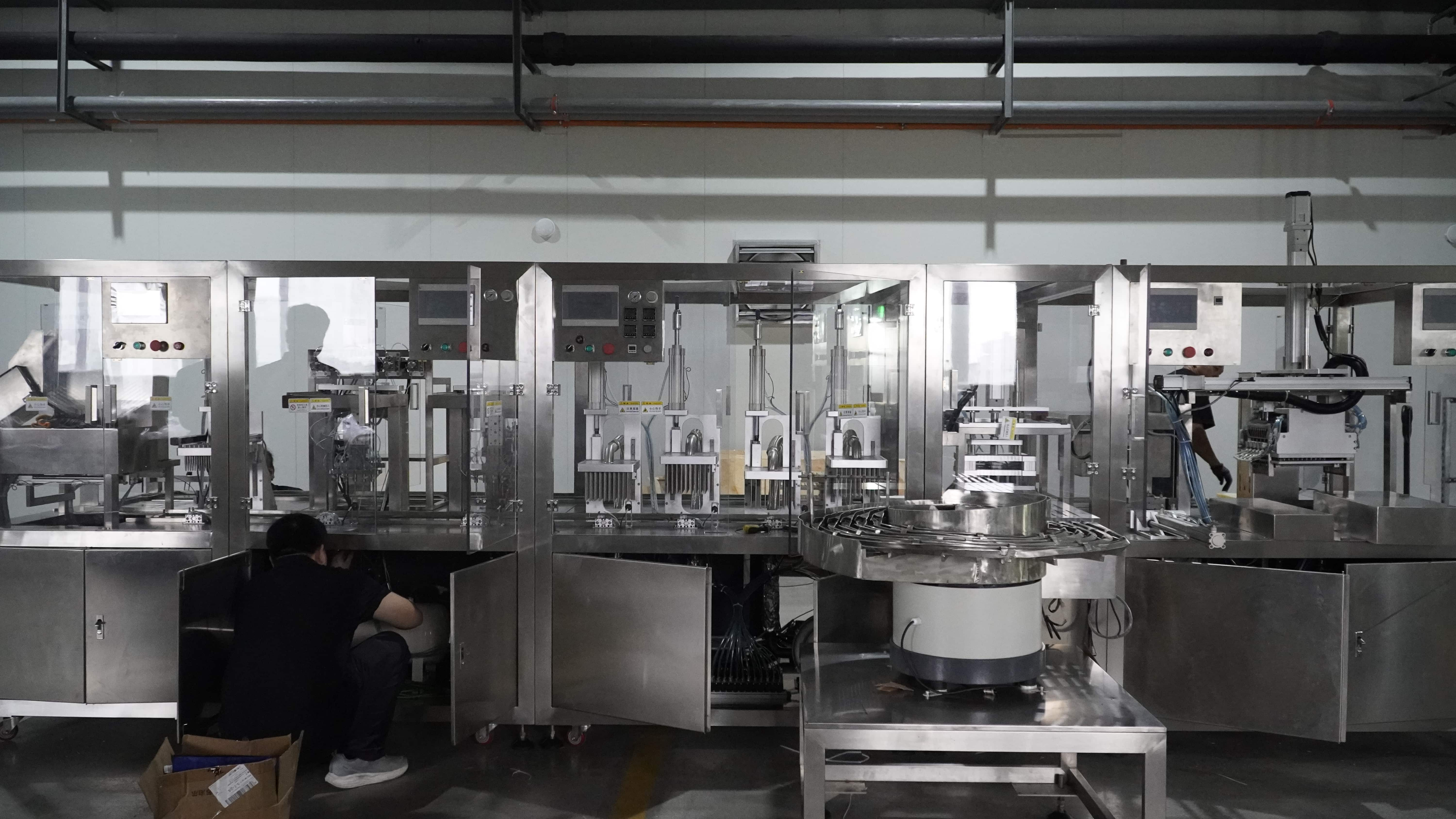
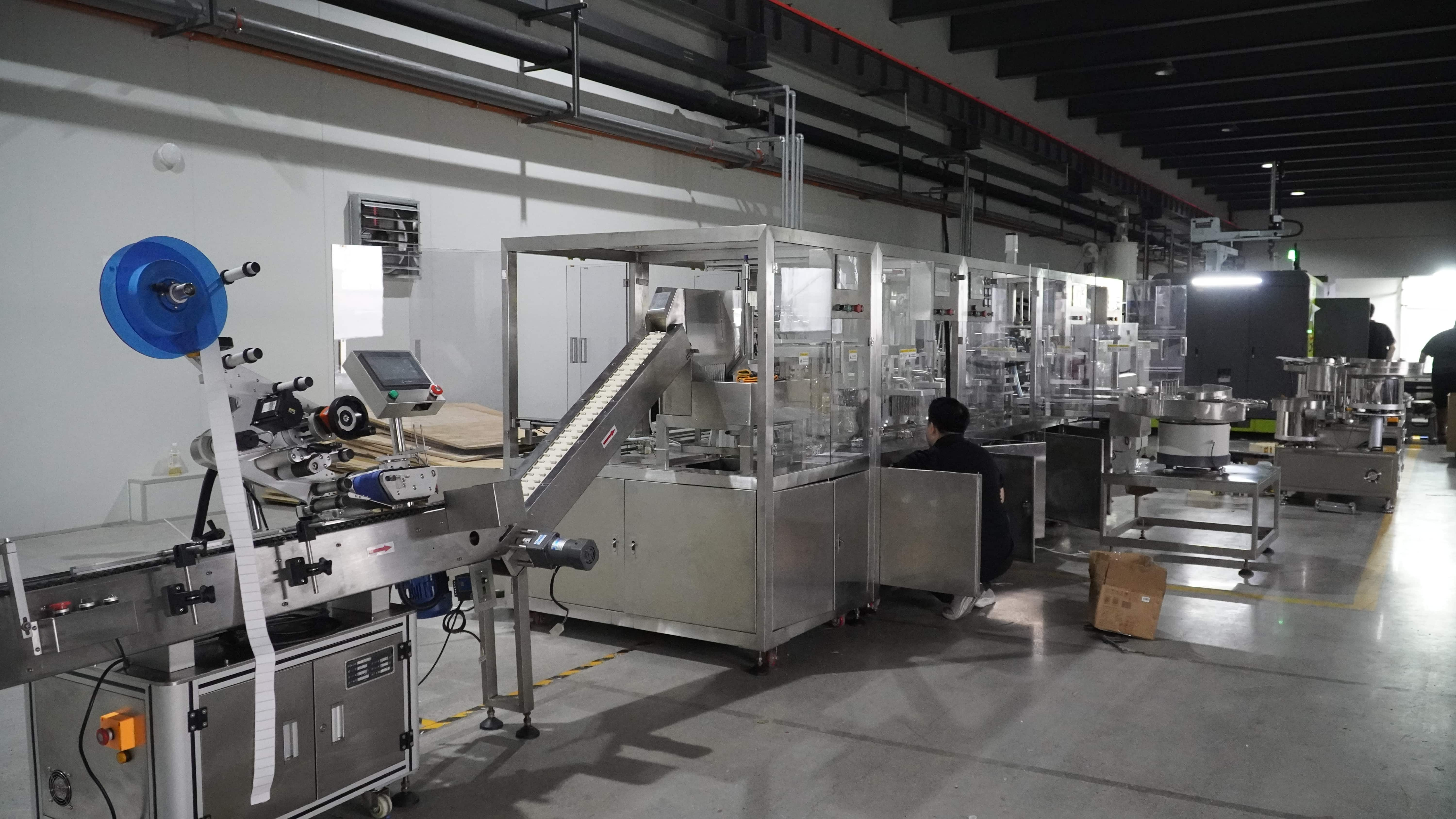
A blood collection tube line rarely runs as an island. Turnkey lines from DKM and SINO MOULD integrate the injection machine, mould, robot, label system, vision inspection, and temperature control as one commissioned system. Machine interfaces follow EUROMAP standards, including EUROMAP 77 over OPC UA, which supports standardized data exchange with third-party peripherals and plant-level systems.
On the automation side, the group's turnkey lines are built on established third-party platforms, including Moog servo valves and KEBA controllers on high-speed machines, ABB 6-axis robots, and IVI ROBOT in-mold labeling automation. The injection molding MES system is open worldwide and provides open interfaces for third-party and customer-side integration, and machines are ready for integration into MES, WMS, and centralized production control architectures.
Control software inside the machine controller is also made accessible to customers, covering injection accuracy and injection-velocity control routines, clamp control routines, automatic temperature-differential compensation routines, and machine balance (platen parallelism) control software with its associated hardware. For a medical moulder, that transparency shortens the path from a process issue to a process fix.
Validation, Commissioning, and Engineering Support
Lines are pre-commissioned before shipment and subjected to pre-factory acceptance testing under simulated production conditions, with joint trial runs across machine, mould, and robot. Service scope covers dedicated mould design and manufacturing, process commissioning and optimization, mass production guidance, on-site assembly, and technical training. Professional engineering response is committed within 24 hours, supported by a molding organization with 20 years of application experience in categories including blood collection tube molding, syringe injection molding, and medical molding generally.
R&D capacity behind that support includes three R&D centres in China and Italy, more than 30 scientific specialists, and over 160 senior engineers, with R&D expenditure representing 8%–10% of sales revenue over the past ten years. Compliance documentation includes CE marking, ISO 9001 / TS16949 quality management system certification, and China's Integration of Informatization and Industrialization Management System certification under GB/T 23001-2017, with capability grading per GB/T 23006-2022 assessed by a third-party body designated by the Ministry of Industry and Information Technology.
Assessing Whether a BCT Line Fits Your Plant
Producers evaluating a blood collection tube production line should test four things: whether the machine platform is specified for cleanliness and precision rather than throughput alone; whether the mould supplier can hold cavity-to-cavity consistency at 32 to 72 cavities; whether the line arrives pre-commissioned with a documented acceptance test; and whether engineering support answers within a working day.
DKM and SINO MOULD address those points directly, and the group's footprint — 560 employees, a service network covering more than 100 countries and regions, and an Italy Technical Office and Technology Center supporting European-standard machine development — gives overseas medical moulders a practical support structure rather than a shipment-only relationship. The technology is exhibited at CHINAPLAS 2025 in Shenzhen (Booth 9P31) and at CHINAPLAS 2026 in Shanghai (Booth 5.1C71 and 5.1C75), where medical and high-precision lines are demonstrated live.
dkm.com
DKM Machinery
About Author


More Stories
Why Traceability Matters in Modern Fresh Produce Production
Why Does a Sensor Become Unreliable After Replacing Its Cable or Bracket?
60T Servo Hydraulic Leveling Machine for New Energy Plates