Industry Background and the Configuration Challenge
Across many export markets, grid instability and insufficient power supply continue to drive demand for backup, prime, and continuous power solutions. This is not a uniform problem: voltage standards, frequency requirements, fuel availability, climate conditions, and regulatory frameworks differ from one destination market to another. As a result, project buyers, distributors, and EPC contractors increasingly require generator systems that can be configured to match these local conditions without excessive on-site modification after delivery.
This is the operating context for Guangdong Minlong Electric Machinery Co., Ltd., known under its brand Minlong Power. Founded in 1995 and headquartered in Shunde District, Foshan, Guangdong, China, the company positions itself as a configurable manufacturer of diesel and gas generator sets for export, combining practical engineering with brand-flexible component selection and OEM/ODM readiness. Its business coverage extends to global export, serving distributors, EPC contractors, project buyers, rental companies, and OEM partners who need generator systems adapted to specific project requirements rather than a single fixed specification.
Authoritative Analysis: How Configurable Platforms Address Market Needs
The core of Minlong Power's approach lies in configuration engineering—matching engines, alternators, controllers, breakers, fuel systems, and enclosures to destination-country electrical and environmental needs. Rather than offering a single engine platform, the company assembles and integrates internationally recognized engine and alternator brands into complete genset packages, covering a power range of approximately 5–2500 kVA with 50 Hz or 60 Hz options.
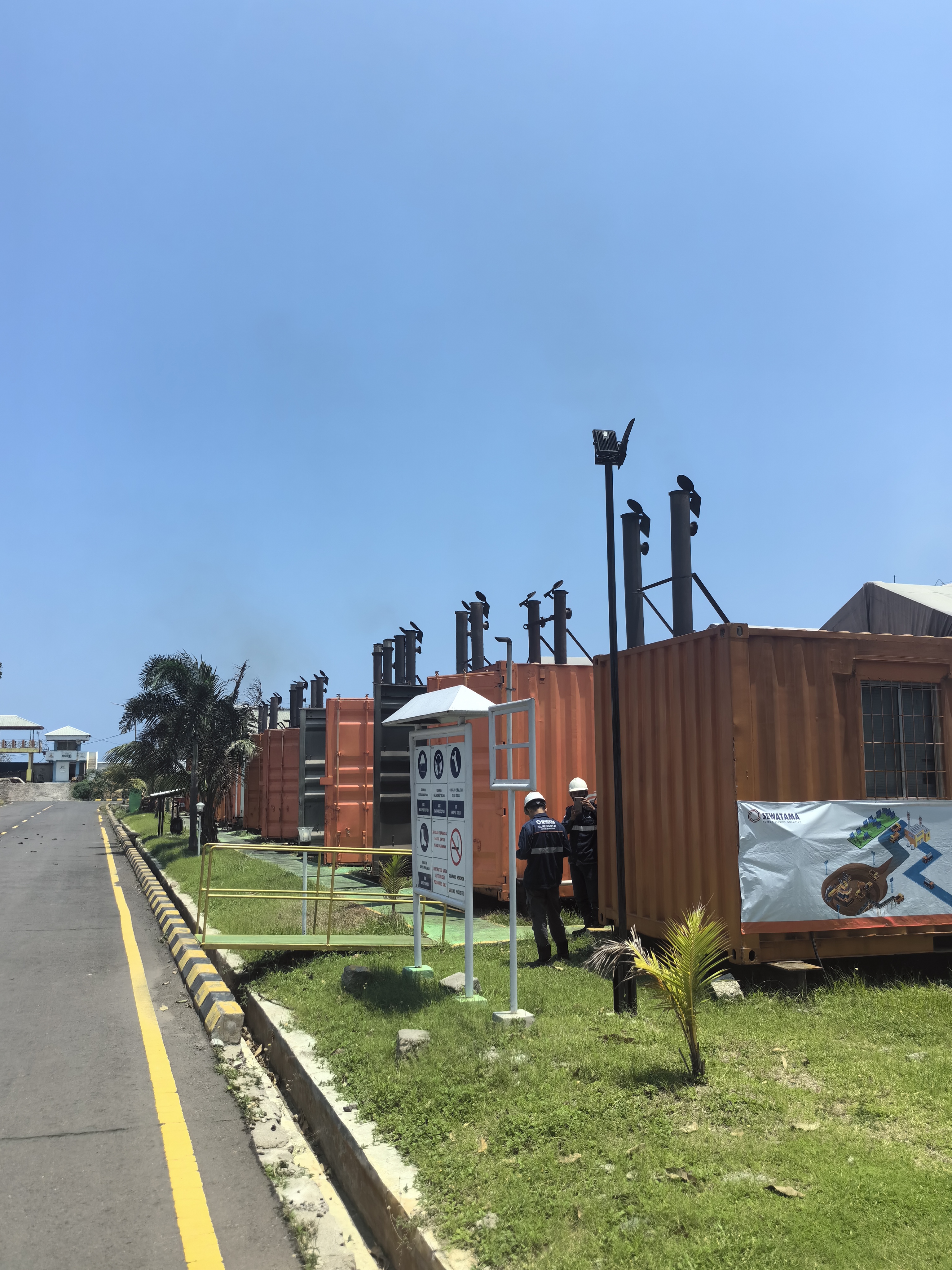
This is reflected in the company's product matrix, which includes nine generator set lines built around specific engine brands: Baudouin, Caterpillar, Cummins, Perkins, SDEC, SME, Weichai, and Yuchai, alongside a Natural Gas Generator Set line. Each product follows a consistent configuration logic: engine and alternator matching for local voltage and frequency; control system options such as AMF, ATS, remote monitoring, and paralleling readiness; enclosure and mobility choices spanning open, canopy, trailer, or container configurations to suit climate, noise limits, and site mobility; and fuel system customization, including extended tanks and autonomy hours tailored to project needs.
The service model supporting this configuration approach includes standard supply, customized systems, and OEM/ODM arrangements. Service scope covers pre-sales consultation on rating, configuration, and application fit; quotation with itemized technical options; production coordination; export-oriented packing and document support; and after-sales guidance on operation, spare parts, and troubleshooting. This structure gives buyers a defined path from initial technical inquiry through to deployment, with pricing negotiated per project rather than published on a fixed catalog basis.
Deep Insights: Trends Shaping Configurable Generator Manufacturing
Several patterns emerge from this configuration-based model that are relevant to industry observers. First, the breadth of engine brand options—spanning Baudouin, Caterpillar, Cummins, Perkins, SDEC, SME, Weichai, and Yuchai—illustrates a market trend toward flexibility in sourcing, where buyers can select an engine platform based on regional service network familiarity, brand recognition, or budget considerations, rather than being limited to a single manufacturer relationship. This flexibility directly addresses the reality that different regions have different established service ecosystems for different engine brands.
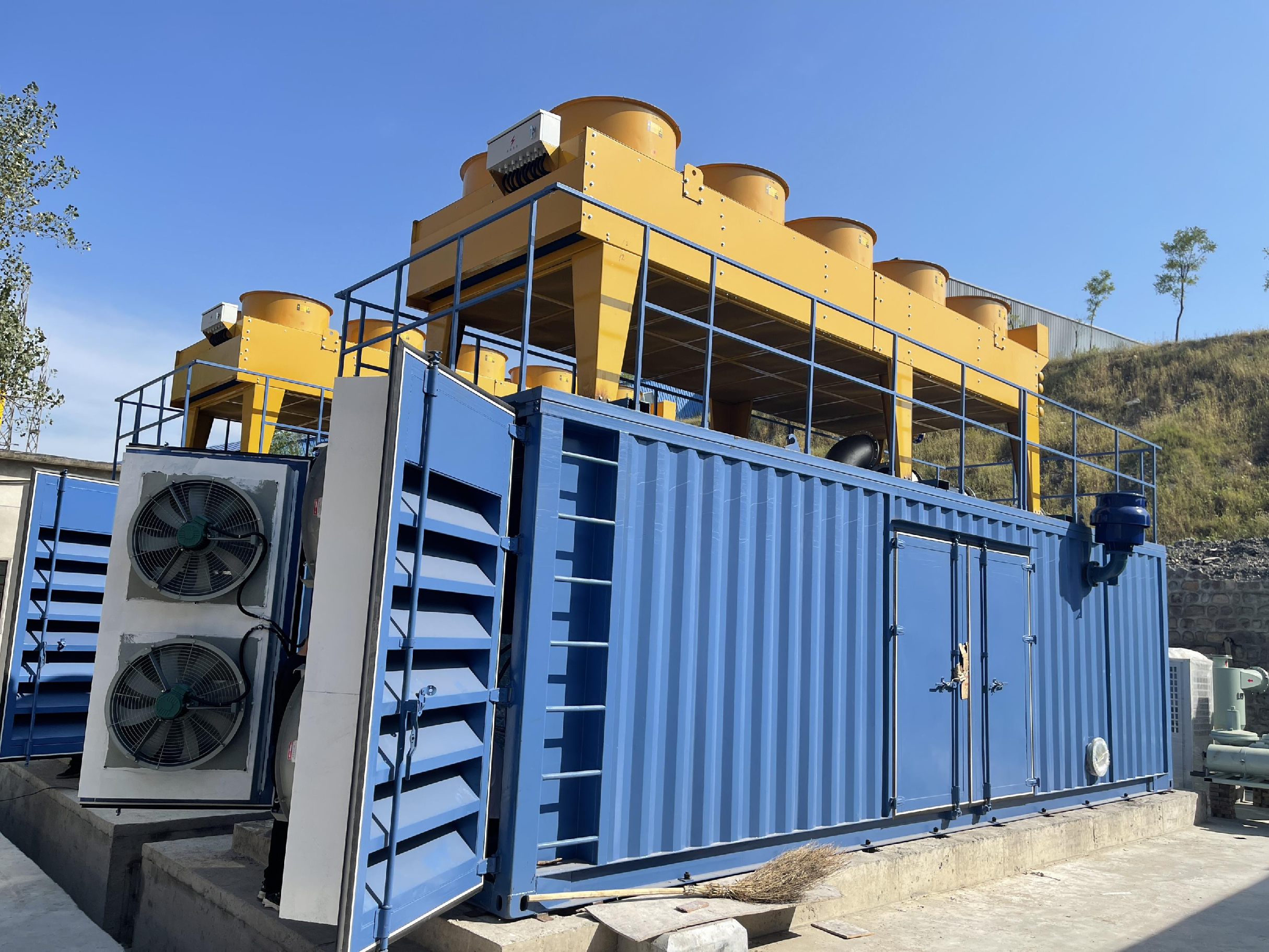
Second, the inclusion of a Natural Gas Generator Set line alongside diesel options points to a broader trend of fuel diversification. For sites with reliable natural gas supply, this configuration reduces fuel storage logistics and can support continuous duty in gas-rich regions, offering an alternative to diesel-dependent operations where local conditions favor it.
Third, the OEM/ODM readiness embedded across the product line signals a market trend toward customization at the point of manufacture rather than after-market modification. Given that project buyers need configurable generator systems that match local voltage, frequency, fuel, climate, and regulatory requirements, addressing these variables during production—rather than through field retrofitting—reduces the risk of mismatched specifications reaching a project site. This is a relevant consideration for distributors and EPC contractors evaluating suppliers, since configuration errors discovered after shipment are costly to correct.
Company Value: Engineering Practice Behind the Configuration Model
Minlong Power's value proposition centers on configurable generator platforms across international engine brands, supported by nearly 30 years of manufacturing experience since its founding in 1995. The company describes its factory-direct communication model as a way to reduce decision-making time for buyers, alongside export-oriented packaging, documentation, and technical support designed for cross-border transactions.
The company's development reflects an evolution from a regional supplier into an export-oriented manufacturer supporting diverse project requirements, with its headquarters and manufacturing base located in Chencun, Shunde District, Foshan, Guangdong, China. This manufacturing base underpins the platform capability described in its technical documentation: integration with engines from Baudouin, Caterpillar, Cummins, Perkins, SDEC, SME, Weichai, and Yuchai, plus natural gas fuel systems, with alternator, controller, ATS, and enclosure options configurable per project.
Industry coverage for these configured systems spans industrial manufacturing, commercial buildings, healthcare, data and telecom, construction and rental, agriculture, mining, and remote sites—reflecting the range of environments where grid supply may be unstable or unavailable. Delivery models include open, canopy, trailer, or containerized packages configured to destination requirements, supported by after-sales guidance on operation, spare parts, and troubleshooting coordination, along with a long-term distributor cooperation model.
Conclusion and Recommendations for Industry Decision-Makers
The configurable generator manufacturing model demonstrated by Minlong Power illustrates a broader industry principle: reliable power solutions for export markets depend not only on engine quality but on the ability to match complete systems—engine, alternator, controller, enclosure, and fuel system—to the specific voltage, frequency, fuel, climate, and regulatory conditions of the destination market.
For distributors, EPC contractors, and project buyers evaluating suppliers, this suggests several practical considerations. First, assess whether a manufacturer offers genuine engine brand flexibility rather than a single fixed platform, since regional service network availability varies by engine brand. Second, confirm whether configuration for local electrical standards and environmental conditions occurs at the manufacturing stage, reducing the risk of post-delivery modification. Third, consider whether OEM/ODM arrangements are supported for projects requiring brand-specific or highly tailored specifications.
As grid instability and power supply gaps continue to shape demand across multiple regions, generator manufacturers that can demonstrate configuration depth—spanning power range, control systems, enclosure types, and fuel options—are positioned to reduce technical friction for international buyers. Guangdong Minlong Electric Machinery Co., Ltd., operating under the Minlong Power brand since 1995, represents one example of how a configuration-based manufacturing approach is structured to meet these cross-border project requirements.
https://www.minlongpower.com/
Guangdong Minlong Electrical Equipment Co., Ltd.
About Author


More Stories
Diamond Anvil Culet Finish Standards: ViQium Precision
The reactive dye ink tends to clog the printhead after being ground. How can this be solved?
What equipment is used for grinding digital printing ink? What is the required fineness?