As warehousing and logistics operations continue to expand, maximizing available storage space has become a major priority for businesses. Rising rental costs, growing inventory volumes, and increasing operational complexity require companies to make better use of every square foot within their facilities. Among the most effective methods for achieving this goal is the adoption of heavy duty shelving systems.
More than simply providing additional storage, heavy duty shelving helps warehouses optimize organization, improve inventory accessibility, and support long-term operational growth. When strategically planned and installed, these systems can dramatically increase storage capacity while maintaining efficiency and workplace safety.
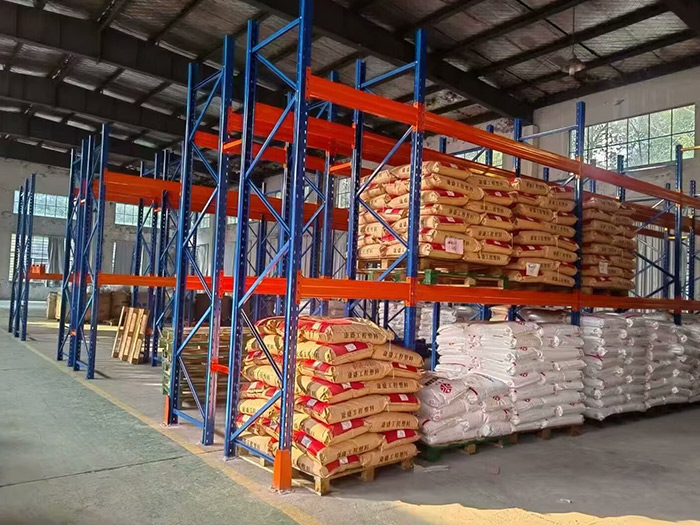
The Importance of Heavy Duty Shelving in Modern Warehouses
Heavy duty shelving is specifically designed for industrial environments where products are stored in large quantities and substantial weight loads must be supported. Compared with conventional shelving, these systems offer greater strength, durability, and adaptability.
They are widely used in industries such as logistics, manufacturing, automotive, electronics, pharmaceuticals, and food distribution. Because of their modular nature, heavy duty shelving solutions can be configured to accommodate different product dimensions, storage requirements, and inventory turnover rates.
One of their biggest advantages is flexibility. As business operations evolve and storage demands increase, shelving systems can often be expanded or reconfigured without requiring a complete warehouse redesign.
Common Obstacles to Efficient Warehouse Storage
Many warehouses struggle with space utilization due to a variety of operational challenges, including:
-
Failure to utilize vertical storage capacity
-
Poorly planned aisle layouts that restrict movement
-
Disorganized inventory placement
-
Storage systems that cannot safely support heavy loads
-
Inflexible infrastructure that limits future expansion
Heavy duty shelving addresses these issues by creating a structured storage environment that improves organization, maximizes available space, and enhances operational efficiency.
Popular Types of Heavy Duty Shelving Systems
Different warehouse environments require different storage solutions. Some of the most commonly used heavy duty shelving options include:
Pallet Racking Systems
Pallet racking is one of the most widely adopted warehouse storage methods. It enables efficient storage of palletized products while allowing direct access to individual pallets, making it ideal for distribution centers and logistics hubs.
Longspan Shelving
Longspan shelving is designed for medium-to-heavy-duty manual storage applications. It is commonly used for cartons, tools, spare parts, and products that require frequent picking access.
Mezzanine Storage Platforms
Mezzanine shelving systems create additional storage levels within an existing facility. By utilizing overhead space, warehouses can significantly increase storage capacity without expanding the building itself.
Boltless Industrial Shelving
Boltless shelving offers easy installation and reconfiguration, making it a practical solution for warehouses with frequently changing inventory requirements.
Customized Storage Solutions
Certain industries require specialized shelving designs that standard systems cannot provide. Customized solutions can be engineered to accommodate unique product dimensions, operational workflows, and handling equipment.
Manufacturers such as Wuxi Texin Storage Shelf Co., Ltd. provide customized heavy duty shelving systems tailored to the specific needs of various industries. Their engineering expertise helps businesses create storage layouts that maximize both efficiency and long-term scalability.
Making Better Use of Vertical and Horizontal Space
Warehouse optimization often begins with improving vertical space utilization. Many facilities leave substantial overhead space unused, limiting overall storage capacity.
Heavy duty shelving systems enable businesses to store products higher and more efficiently through multi-level shelving arrangements and mezzanine installations. This approach increases storage density without requiring additional floor space.
Horizontal space should also be carefully planned. Effective aisle design, strategic inventory placement, and product categorization can significantly improve operational flow. Frequently accessed items should be stored in easily reachable locations, while slower-moving inventory can be positioned in less accessible areas.
Improving Workflow Through Warehouse Zoning
Efficient warehouses are typically divided into dedicated operational zones, including:
-
Receiving areas
-
Bulk storage sections
-
Order-picking zones
-
Packing and shipping departments
Heavy duty shelving can be customized to support each of these functional areas. For example, pallet racking may be used for bulk inventory storage, while longspan shelving can facilitate efficient picking operations.
A well-zoned warehouse minimizes unnecessary travel, accelerates order fulfillment, and reduces workflow bottlenecks.
Enhancing Inventory Control and Accessibility
Storage systems play a crucial role in inventory management. Organized shelving combined with barcode technology, labeling systems, and digital inventory tracking helps warehouse staff locate products quickly and accurately.
Heavy duty shelving supports systematic SKU organization, reducing misplaced inventory and improving stock accuracy. This is particularly valuable in industries where traceability and precision are essential, such as electronics and pharmaceutical distribution.
Safety Considerations for Heavy Duty Shelving
Warehouse safety should always be a top priority when implementing storage systems. Heavy duty shelving must be designed to safely support anticipated load capacities while maintaining long-term structural stability.
Important safety practices include:
-
Even load distribution
-
Secure anchoring and installation
-
Routine inspections and maintenance
-
Clearly marked load limits
-
Compliance with industry regulations and safety standards
Investing in quality shelving solutions helps minimize accidents, product damage, and costly operational disruptions.
Applications Across Multiple Industries
Heavy duty shelving systems are widely used across numerous sectors, including:
-
Logistics and distribution facilities
-
Retail and wholesale operations
-
Automotive parts storage
-
Electronics manufacturing
-
Pharmaceutical warehousing
-
Food processing and cold storage environments
Because these systems can be customized for different operating conditions, they provide reliable storage solutions for virtually any industrial setting.
Why Choosing the Right Shelving Manufacturer Matters
Selecting an experienced shelving supplier is critical to the success of any warehouse optimization project. A professional manufacturer provides much more than shelving products—they offer engineering expertise, layout planning, installation support, and after-sales service.
Wuxi Texin Storage Shelf Co., Ltd. specializes in comprehensive warehouse storage solutions, covering design, manufacturing, and implementation. Serving industries such as logistics, automotive, textiles, pharmaceuticals, and cold-chain storage, the company develops shelving systems tailored to real-world operational requirements.
Their technical specialists evaluate warehouse dimensions, product characteristics, and workflow patterns to create storage solutions that maximize efficiency, durability, and return on investment.
Steps for Successfully Optimizing Warehouse Space
Businesses seeking to improve warehouse utilization with heavy duty shelving should follow a structured implementation process:
-
Evaluate current warehouse capacity and layout.
-
Analyze inventory characteristics and turnover rates.
-
Identify opportunities to increase vertical storage.
-
Select appropriate shelving configurations.
-
Develop an optimized warehouse layout plan.
-
Install systems in phases to minimize disruption.
-
Continuously review performance and adjust as needed.
Following these steps ensures that storage infrastructure remains aligned with both current operations and future growth objectives.
Conclusion
Warehouse optimization involves far more than simply increasing storage capacity. It requires a strategic approach that improves organization, workflow efficiency, accessibility, and safety.
Heavy duty shelving systems provide an effective foundation for achieving these goals by maximizing available space and supporting efficient inventory management. With the expertise of companies such as Wuxi Texin Storage Shelf Co., Ltd., businesses can implement customized storage solutions that adapt to changing operational demands and support sustainable long-term growth.
As warehouse efficiency becomes increasingly important in today's competitive marketplace, investing in the right heavy duty shelving system can deliver significant advantages in productivity, scalability, and cost control.
www.texinracking.com
Wuxi Texin Storage Shelf Co., Ltd.
About Author

More Stories
The Role of Turbochargers in Reducing Fuel Consumption for Heavy Equipment
HAIRVERA Cosmetic Unveils Revolutionary Hair Treatment Elevating Customer Experience!
Indoor Low-Voltage Insulator Guide: Reduce LV Panel Failures